Top Silicone Cooking Tools to Elevate Your Kitchen Experience?
In today's culinary landscape, Silicone Cooking Tools have become essential for both amateur cooks and professional chefs. The Global Silicone Kitchenware Market is projected to reach $3.9 billion by 2025, highlighting the growing demand for these versatile tools. Silicone offers durability, heat resistance, and ease of cleaning, making it a preferred material in modern kitchens.
However, not all silicone tools are created equal. Consumers often face challenges identifying high-quality products amidst a sea of options. It's important to consider factors like temperature tolerance, food safety, and usability. Reports indicate that 40% of cooks have experienced frustrations with low-quality silicone products that don’t perform as promised. This necessitates a careful selection of silicone cooking tools, ensuring they meet both functional and safety standards.
As we dive deeper into the best silicone cooking tools available, it’s crucial to reflect on personal experiences and industry insights. Choosing the right tool can indeed elevate your kitchen experience, but it is equally vital to remain discerning. Each tool's performance can impact your cooking outcome and overall satisfaction.
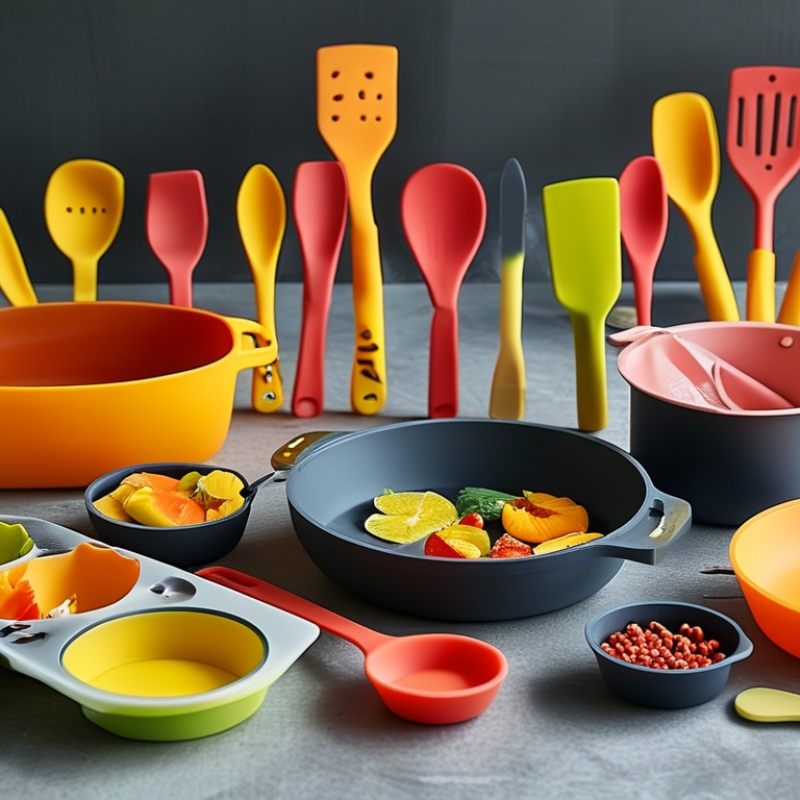
Top Benefits of Using Silicone Cooking Tools in Your Kitchen
Silicone cooking tools have become essential for modern kitchens. One of the biggest benefits is their flexibility. Silicone spatulas can bend and flex, allowing you to scrape every last bit from the bowl. This reduces waste, making your cooking more efficient. Beyond this, they are easy to clean. Most silicone utensils can be tossed into the dishwasher, saving you time after meal prep.
Another key advantage is their heat resistance. Silicone cookware can handle high temperatures without melting or warping. This makes them perfect for baking and stovetop cooking. However, it's important to check quality, as some cheaper options may not withstand extreme heat. Investing in reliable silicone tools can enhance your cooking experience significantly.
Silicone cooking tools are also non-stick. This means that they make cooking and serving hassle-free. Food releases easily, reducing the need for oils and sprays. Yet, some might find they need to adjust cooking times. Experimenting with these tools can lead to more enjoyable meals, but be prepared for occasional learning curves in the process.
Essential Silicone Utensils Every Home Cook Should Have
Silicone utensils have become a staple in many kitchens for good reasons. They are heat-resistant, flexible, and non-stick, making them ideal for various cooking tasks. Essential tools like spatulas and spoons can withstand high temperatures without warping or melting, ensuring they last longer than plastic alternatives. Their flexibility allows for easy scraping and mixing, which is crucial for achieving the perfect consistency in recipes.
Another key item is silicone baking mats. These mats provide a non-stick surface, which minimizes the need for additional oils or sprays. This is a significant advantage for health-conscious cooks who want to reduce fats in their meals. However, it's worth noting that not all silicone products are made equal. Some may contain fillers that lower their quality and performance. Always look for high-quality, food-grade silicone to ensure safety.
Moreover, silicone measuring cups can offer precise portions without the worry of breakage. While they are convenient, they can sometimes be challenging to clean, especially if foods get stuck in the corners. Regular maintenance and proper cleaning techniques are essential to keep them in good shape. Overall, having a mix of these silicone tools can elevate your cooking experience while simplifying your kitchen tasks.
Top Silicone Cooking Tools to Elevate Your Kitchen Experience
How to Properly Care for and Maintain Silicone Cooking Tools
Silicone cooking tools have become essential in modern kitchens due to their versatility. Proper care and maintenance can significantly enhance their lifespan. According to a report by the American Institute of Food Safety, well-maintained silicone utensils can last up to ten years, making them a sustainable choice. However, neglect can lead to issues such as discoloration or deformation.
To maintain silicone tools, regular cleaning is essential. Most silicone utensils are dishwasher safe. Yet, handwashing can extend their life. Use warm soapy water and a soft sponge. Avoid abrasive cleaners, as they can scratch the surface. A study from the University of California found that using gentle cleaning methods reduces wear. Over time, heat and harsh chemicals can degrade silicone, so always follow care guidelines.
Storage also plays a role in upkeep. Keep silicone tools away from direct sunlight and extreme temperatures. Storing tools in a dry, cool place prevents them from becoming sticky or damaged. Interestingly, a survey conducted by Food Network revealed that 25% of silicone tool users neglect storage tips, leading to damage. Being mindful of storage practices enhances durability, allowing your kitchen experience to flourish with these useful tools.
Innovative Silicone Cooking Gadgets That Make Meal Prep Easier
Innovative silicone cooking gadgets are revolutionizing meal prep in kitchens worldwide. Research shows that the silicone kitchen tools market is growing at a compound annual growth rate of 6.1%. These versatile tools are heat-resistant, durable, and non-stick, making cooking simpler. They can withstand temperatures ranging from -40°F to 450°F. This means you can use them in the oven, microwave, and freezer without worry.
Silicone spatulas are a game changer. Their flexibility allows for easy scraping of bowls without leaving food behind. Studies indicate that users prefer silicone utensils because they do not scratch surfaces. Another useful tool is the silicone baking mat, which eliminates the need for parchment paper. A silicone mat can last for thousands of uses, reducing both waste and cost over time.
Consider experimenting with silicone molds for unique shapes and presentations. They can spark creativity in your dishes. Pay attention to how easily they release baked goods. That experience can vary by brand. While silicone offers numerous advantages, it’s crucial to balance your cooking habits with a mix of materials. Embrace the innovation yet reflect on what blends work best for you.
Top Silicone Cooking Tools to Elevate Your Kitchen Experience
| Tool Name | Function | Material | Heat Resistance | Dishwasher Safe |
| Silicone Spatula | Mixing and spreading | Silicone | Up to 500°F | Yes |
| Silicone Baking Mat | Reusable baking surface | Silicone | Up to 450°F | Yes |
| Silicone Muffin Cups | Baking muffins and cupcakes | Silicone | Up to 500°F | Yes |
| Silicone Whisk | Mixing and whisking | Silicone and stainless steel | Up to 500°F | Yes |
| Silicone Ice Cube Tray | Making ice cubes | Silicone | N/A | Yes |
Safety and Health Considerations When Using Silicone Kitchen Products
When considering silicone cooking tools, safety and health must be front and center. Silicone is popular for its flexibility and non-stick properties, but not all silicone is created equal. Ensure that the products you choose are made from food-grade silicone. This guarantees that they do not release harmful chemicals when heated. Look for certifications or safety labels that validate the quality of the silicone used.
Using silicone products requires mindfulness about their maintenance. They are generally dishwasher safe, but handwashing can extend their lifespan. Scrutiny is key; check for signs of wear or damage. If your silicone tools have discoloration or cracks, it may be wise to replace them. Frequent inspection can help prevent potential health risks associated with damaged materials.
Choosing the right temperature is also crucial. While many silicone tools can withstand high heat, always verify the specific temperature limits. Avoid using them directly on flame or in a broiler. Missteps can lead to degradation of the tool. Understanding these nuances can lead to a safer kitchen environment and enhance your culinary experience.





