Top 10 Self Drilling Screw Types for Your Project Needs?
Self Drilling Screws are vital in many construction and manufacturing projects. The global demand for these fasteners continues to rise, with reports suggesting a projected growth of 5.2% annually in the fastener market. This surge reflects their versatility and effectiveness in various applications.
In the realm of self-drilling screws, different types serve distinct purposes. For instance, screws with longer threads enhance pull-out strength. Studies show that proper selection significantly impacts the structural integrity of a project. However, many users still struggle to identify the right type for their needs. This gap highlights a need for increased awareness and education within the industry.
Understanding the types of self-drilling screws is essential for optimal performance. Many professionals rely on trusted resources and industry guidelines to choose the right fastener. Yet, even experienced users must reflect on past projects to avoid common mistakes. The right screw can make a substantial difference, if only users take the time to analyze their specific application.
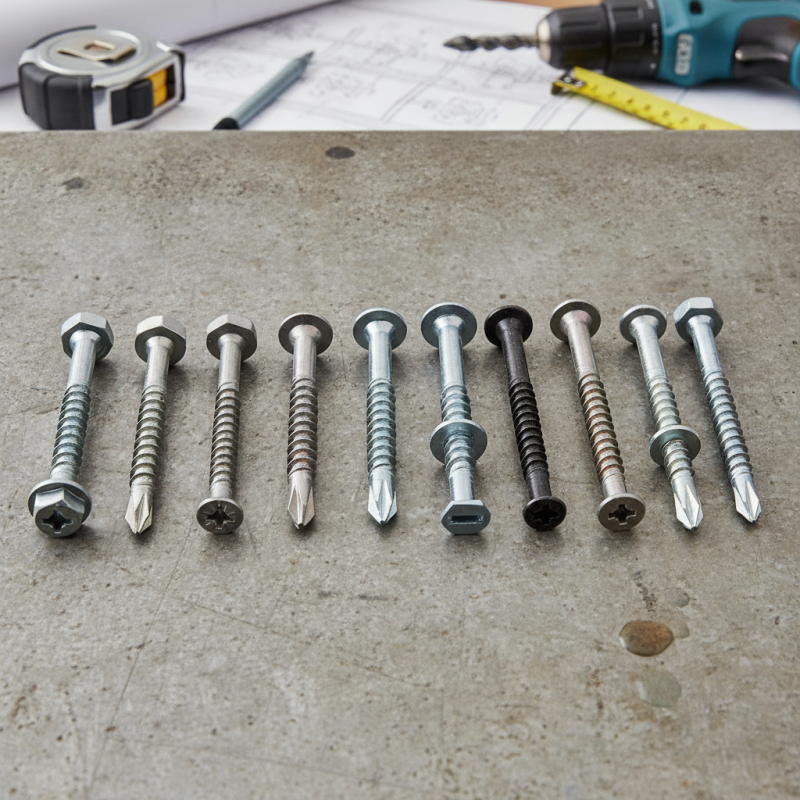
Understanding Self-Drilling Screws: Definition and Purpose
Self-drilling screws are essential fasteners in construction and DIY projects. They come with a built-in drill point, allowing for easy insertion into various materials, often without the need for a pre-drilled hole. This feature saves time and labor, making them popular among contractors and hobbyists alike. Understanding their function is crucial for selecting the right type for your project.
When choosing self-drilling screws, consider the material you are working with. Different screw designs cater to wood, metal, or masonry. Pay attention to the screw's length and diameter; these factors impact how securely the screw holds in place. Select the right coating, too, as this enhances corrosion resistance.
**Tips for Use:** Always ensure the screw is compatible with the drill you plan to use. Test a few screws on scrap material before starting your main project. This helps identify any issues early on. Be mindful not to over-tighten, which can strip the material and weaken the connection. Experiment with different types to see which performs best for your specific needs.
Top 10 Self Drilling Screw Types for Your Project Needs
| Screw Type | Material | Finish | Common Use | Size Range |
| Self Tapping Screw | Steel | Zinc Plated | Metal Fabrication | #6 to #14 |
| Wood Screw | Stainless Steel | Black Oxide | Wood Construction | #8 to #12 |
| Sheet Metal Screw | Carbon Steel | Galvanized | Sheet Metal Assembly | #4 to #10 |
| Lag Screw | Alloy Steel | Plain Finish | Heavy Construction | 1/4" to 1/2" |
| Concrete Screw | Carbon Steel | Blue Coating | Concrete Fixing | #8 to #14 |
| Hex Head Screw | Stainless Steel | Passivated | Machinery Assembly | #8 to #16 |
| Flat Head Screw | Brass | Polished | Furniture Assembly | #6 to #12 |
| Drive Screw | Aluminum | Anodized | Electrical Applications | #4 to #8 |
| Self-Clinching Screw | Steel | Nickel Plated | Thin Panels | #4 to #12 |
| Access Control Screw | High Carbon Steel | Black Phosphate | Security Devices | #8 to #10 |
Key Features of Self-Drilling Screws to Consider for Projects
When selecting self-drilling screws for your projects, understanding key features is essential. These screws offer unique advantages. A notable benefit is their ability to eliminate pre-drilling. According to a report by the Industrial Fasteners Institute, this can save up to 30% on installation time. In heavy-duty applications, they often outperform standard screws, providing added stability.
Material choice is crucial. Stainless steel screws provide excellent corrosion resistance. This makes them ideal for outdoor projects. Reports indicate that screws made from carbon steel are often more cost-effective. However, they may not offer the same durability in harsh environments. Thread design also plays a significant role. Coarse threads provide better grip in softer materials, while fine threads are better for harder substrates.
Consider the screw head type. Variants like hex, torx, and slotted are commonly used. Each offers varying degrees of torque and ease of drive. Selecting the wrong head type can lead to stripping or reduced effectiveness. It's essential to evaluate your specific project conditions. A one-size-fits-all approach rarely works. Balancing features with project requirements is critical for optimal results.
Top 10 Types of Self-Drilling Screws and Their Applications
Self-drilling screws are essential in various construction and manufacturing projects. They combine the drill and screw into one efficient tool. Understanding the different types available can significantly impact project success. According to the American Fastener Journal, approximately 30% of construction errors arise from improper fastener selection.
There are several popular types of self-drilling screws. Tek screws are widely used in metal-to-metal applications. Their sharp tip allows for easy penetration into thick materials. Another type is the self-tapping screw, which is excellent for softer materials like wood and plastics. A 2021 industry report highlighted that using the correct screw type reduces assembly time by 25%.
Specialized self-drilling screws also cater to specific needs. For instance, weather-resistant screws are crucial in outdoor applications. They often use coatings to withstand harsh conditions. Many construction professionals report that neglecting this detail can lead to corrosion and project failure. Choosing the right type not only ensures durability but also enhances overall safety and performance. Always consider the material and environmental factors before making a decision.
Comparison of Materials Used in Self-Drilling Screws
When choosing self-drilling screws, material types play a crucial role. Common options include carbon steel, stainless steel, and brass. Carbon steel screws are cost-effective and provide decent strength. However, they are prone to rust if not coated properly. A significant downside is their limited use in outdoor projects.
Stainless steel screws offer superior corrosion resistance. They are ideal for harsh environments. Their longevity is commendable, but the cost is higher. This material can be overkill for simple indoor tasks, leading to overspending.
Brass screws, while less common, shine in electrical applications. They resist corrosion and are non-magnetic. However, they lack the strength of steel options. Using brass for heavy-duty tasks may lead to failures. Each material has strengths and weaknesses, demanding careful consideration based on specific project needs.
Best Practices for Selecting and Using Self-Drilling Screws in Projects
When selecting self-drilling screws, it’s crucial to consider the materials you will be working with. For metal projects, choose screws made from high-quality steel for durability. For softer materials, like wood, consider screws with specially designed tips to prevent splitting. It’s also essential to select the right screw size. A screw that’s too long can cause damage, while one that’s too short may not hold securely.
Using self-drilling screws correctly can save time and enhance project efficiency. Ensure you’re using the right drill settings to avoid stripping the screw heads. A pilot hole may be necessary for dense materials. Consider the environment; outdoor projects require corrosion-resistant screws. Pay attention to the thread design, as it affects the screw's grip. Testing on scrap material can help you understand how the screws will perform.
Some may find it challenging to achieve the perfect depth. Practice helps become confident in your technique. Adjusting your approach based on feedback can lead to better results. Keep in mind that experience is a guide, but each project can present unique challenges. Embracing those imperfections can foster growth and enhance your skills.





