


Choosing the right Quick Coupler is rarely a simple matter of comparing price and thread size. Global buyers must examine pressure ratings, flow capacity, sealing materials, connection systems, and working environments. A coupler used beside a dusty construction site may face very different demands from one installed in a clean food-processing line. Small details matter.
Hydraulic systems engineer Peter Nachtwey offers a useful warning: “The valve cannot fix a bad design.” The same principle applies to coupler selection. A premium Quick Coupler cannot compensate for contaminated fluid, incorrect sizing, poor hose routing, or careless maintenance. Practical experience shows that many failures begin before installation. Sometimes, the specification looks correct on paper but performs poorly in cold weather, high vibration, or repeated connection cycles.
This guide examines ten common Quick Coupler types for international buyers. It considers flat-face, screw-to-connect, push-to-connect, ISO-standard, hydraulic, pneumatic, and specialty designs. Each type has advantages, limitations, and suitable applications. Some are clean and fast. Others provide stronger retention under harsh conditions. None is perfect.
That matters.
Buyers should verify material compatibility, interchangeability, certification requirements, and supplier testing records. Regional standards can also differ, creating unexpected replacement problems. A coupler that fits physically may still deliver inadequate flow or unsafe pressure performance. We will therefore focus on real selection decisions, not marketing language. The goal is dependable purchasing, clearer technical evaluation, and fewer costly surprises after the equipment reaches the field.
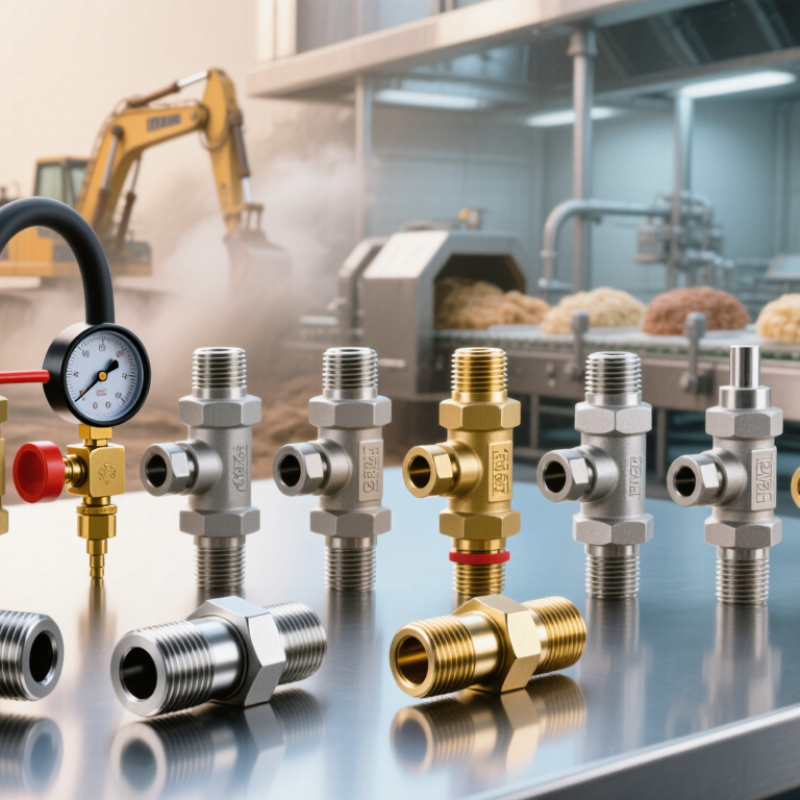
Top 10 Quick Coupler Types for Global Buyers
Quick Couplers are mechanical interfaces that connect construction attachments to excavators, loaders, telehandlers, and compact equipment. They reduce manual connection time and help operators change buckets, forks, breakers, grapples, and other tools from the cab or beside the machine.
Common designs include pin grabber, hydraulic, tilt, quick hitch, wedge-lock, dedicated, universal, skid steer, loader, and excavator couplers. Each type serves different operating conditions. A hydraulic coupler suits frequent attachment changes and improves efficiency on busy worksites. A pin grabber offers broad compatibility, but operators must confirm pin dimensions carefully. Tilt models add angle control for grading and drainage work.
Compatibility is more than fitting two pins. Buyers should check machine weight, hydraulic pressure, attachment geometry, locking visibility, and local safety requirements. Reliable manufacturers provide load data, inspection guidance, and replacement-part information. That documentation reflects practical engineering, not just marketing language.
The global market values couplers because they extend equipment versatility and reduce idle time. A fleet can handle more tasks without purchasing another base machine. Still, standardization remains imperfect. Similar machines may use different pin centers or hydraulic connections. Buyers should measure actual equipment before ordering, even when a catalog appears clear. A rushed selection can cause poor balance, reduced breakout force, or unsafe engagement. Field trials and operator feedback often reveal issues that specifications miss.
| Rank | Quick Coupler Type | Common Standard or Reference | Typical Medium | Connection Mechanism | Typical Working Pressure* | Common Nominal Sizes | Typical Global Applications | Key Buyer Considerations |
|---|---|---|---|---|---|---|---|---|
| 1 | ISO 7241 Series A Hydraulic Couplers | ISO 7241-1 Series A | Hydraulic oil | Ball-lock, sleeve-operated, valve-to-valve connection | Typically 160–315 bar (2,320–4,570 psi) | DN 6–DN 51 1/4–2 in | General mobile hydraulics, agricultural machinery, material handling, and industrial equipment | Confirm interchangeability, flow capacity, sealing material, residual pressure capability, and ISO dimensional compliance. |
| 2 | ISO 7241 Series B Hydraulic Couplers | ISO 7241-1 Series B | Hydraulic oil | Ball-lock, sleeve-operated, valve-to-valve connection | Typically 140–350 bar (2,030–5,075 psi) | DN 6–DN 51 1/4–2 in | Industrial hydraulic circuits, construction equipment, agricultural systems, and interchangeable hose assemblies | Check whether Series A or Series B interchangeability is required; the two series are not generally interchangeable with each other. |
| 3 | Flat-Face Hydraulic Couplers | ISO 16028 | Hydraulic oil | Flat-face, sleeve-operated, low-spill valve design | Typically 250–420 bar (3,625–6,090 psi) | DN 6–DN 38 1/4–1 1/2 in | Hydraulic attachments, skid-steer loaders, excavators, forestry equipment, and contamination-sensitive systems | Prioritize low fluid loss, easy cleaning, pressure-drop data, connection under residual pressure, and face-seal durability. |
| 4 | Screw-to-Connect Hydraulic Couplers | ISO 14541 and related high-pressure coupling practices | Hydraulic oil | Threaded sleeve or screw connection with positive mechanical engagement | Typically 350–700 bar (5,075–10,150 psi) | DN 6–DN 25 1/4–1 in | High-pressure tools, jacking systems, bolting equipment, mining, and heavy industrial maintenance | Verify pressure rating, thread form, torque requirements, connection speed, and whether coupling is permitted under pressure. |
| 5 | Agricultural Hydraulic Couplers | ISO 5675 | Hydraulic oil | Ball-type agricultural plug and socket, usually sleeve-operated | Typically 200–300 bar (2,900–4,350 psi) | 1/4–1 1/4 in | Tractors, loaders, implements, trailers, planting equipment, and agricultural attachments | Match plug and socket profiles, tractor-side requirements, dust protection, hose size, and expected connection frequency. |
| 6 | Hydraulic Breakaway Couplers | Application-specific; often based on ISO 7241 or ISO 16028 interfaces | Hydraulic oil | Automatic or controlled separation during excessive hose pull or equipment movement | Typically 100–350 bar (1,450–5,075 psi) | DN 6–DN 25 1/4–1 in | Agricultural machinery, snow-removal equipment, trailers, mobile tools, and articulated implements | Evaluate breakaway force, automatic shutoff, reconnection procedure, pressure surge, hose routing, and safety certification needs. |
| 7 | Pneumatic Quick Couplers | ISO 6150, ISO 4414, and regional industrial profiles | Compressed air and inert gas | Sleeve-operated plug-and-socket connection, commonly single-shutoff or double-shutoff | Typically 7–15 bar (100–218 psi) | 1/4–1 in profile dependent | Factory air lines, pneumatic tools, automation equipment, workshops, and maintenance systems | Compare profile compatibility, air-flow capacity, pressure drop, coupling force, exhaust safety, and hose-end configuration. |
| 8 | Cam-and-Groove Couplings | EN 14420-7 and related cam-and-groove practices | Water, chemicals, fuels, oils, and dry bulk materials | Cam arms engage with an adapter groove; no wrench is normally required | Typically 8–16 bar (116–232 psi) | 1/2–6 in | Tanker loading, chemical transfer, irrigation, fuel handling, dewatering, and process hoses | Select material and gasket by chemical compatibility; confirm operating temperature, vacuum suitability, locking security, and hose standard. |
| 9 | Dry-Disconnect and Dry-Break Couplers | Application-specific; commonly specified by spill-control and fluid-transfer requirements | Chemicals, fuels, solvents, oils, and process fluids | Valve-to-valve connection designed to minimize spillage and air inclusion | Typically 10–25 bar (145–363 psi) | 1/2–4 in | Chemical processing, bulk liquid transfer, battery-fluid handling, fuel systems, and hazardous-fluid service | Verify chemical compatibility, leakage limits, pressure and temperature ratings, grounding requirements, and cleanability. |
| 10 | Instrumentation and Test Couplers | ISO 15171-1 and manufacturer-neutral test-port conventions | Hydraulic oil, gas, and calibration fluids | Small-bore probe, test-point, or threaded connection with check valve | Typically 250–700 bar (3,625–10,150 psi) | M16×2, 1/4 in, and small-bore test ports | Pressure measurement, diagnostic service, condition monitoring, calibration, and hydraulic troubleshooting | Check probe compatibility, pressure-pulse resistance, leak rate, test-hose length, thread specification, and measurement accuracy. |

Quick couplers connect hydraulic or pneumatic lines without lengthy tool work. Their internal poppet or sleeve valves open during mating and close during separation. This limits fluid loss, air entry, and contamination. Grand View Research valued the global hydraulic equipment market at about USD 49.5 billion in 2023, with growth projected through 2030. That scale makes coupling accuracy important for international buyers.
The practical top ten include ISO 7241-A, ISO 7241-B, flat-face ISO 16028, screw-to-connect, threaded hydraulic, dry-break, push-to-connect, single-shutoff pneumatic, double-shutoff pneumatic, and multi-coupler designs. Hydraulic models manage oil under high pressure, while pneumatic models control compressed air through smaller valves and seals. ISO 4414 stresses safe pneumatic system design, but the coupler still needs correct pressure, temperature, and hose compatibility. Small details matter.
Flat-face couplers reduce trapped fluid. Dry-break versions reduce spills during frequent changes. Push-to-connect types save time on air lines. Screw connections resist vibration better. A catalogue ranking is imperfect. Real selection depends on flow demand, pressure spikes, dust, operator habits, and service access. In field testing, a clean connection often matters more than a higher advertised flow rate. Buyers should verify ISO compatibility, seal material, residual pressure, and coupling cycles before approving a global specification.
Top Ten Quick Coupler Types and Their Key Applications
Global buyers usually compare connection speed, pressure rating, contamination control, and service access. The ten common types are hydraulic flat-face, ISO 7241 Series A, ISO 7241 Series B, screw-to-connect, push-to-connect, threaded, breakaway, dry-break, pneumatic, and multi-coupling systems. Flat-face couplers suit excavators and loaders because they reduce fluid loss during attachment changes. Series A couplers support general hydraulic circuits. Series B models remain common in industrial and agricultural equipment.
Screw-to-connect couplers handle high pressure and vibration. Push-to-connect designs save time on frequently changed tools. Threaded couplers fit compact lines and fixed installations. Breakaway couplers help protect hoses when machinery moves unexpectedly. Dry-break versions limit leakage during chemical, fuel, or sensitive fluid transfer. Pneumatic couplers serve factory automation, workshops, and mobile tools. Multi-coupling panels connect several hydraulic or electrical lines together. They are useful for quick attachment swaps.
Market context matters. Grand View Research valued the global construction equipment market at about USD 256.9 billion in 2023, with projected growth through 2030. This expansion supports continuing demand for reliable attachment interfaces. MarketsandMarkets also reports strong growth across hydraulic equipment, driven by construction, agriculture, and material handling. Still, market reports rarely show field mistakes. A coupler may meet its pressure rating yet fail through poor filtration, mismatched seals, or incomplete locking. Buyers should verify ISO compatibility, working pressure, temperature range, and replacement availability. Small details matter. Hands-on testing remains necessary.
Top 10 Quick Coupler Types for Global Buyers
Quick couplers differ widely in material, pressure capacity, size, and connection standards. Common choices include ISO 7241 Type A, ISO 7241 Type B, ISO 16028 flat-face, screw-to-connect, push-to-connect, cam-lock, dry-break, pneumatic, hydraulic, and thermoplastic couplers. Each design suits a different working environment. A flat-face coupler reduces fluid loss during connection, while a cam-lock model supports fast, tool-free assembly on lower-pressure lines.
Material selection should match the fluid, temperature, and surroundings. Plated steel offers strength for construction equipment. Stainless steel resists corrosion near water, chemicals, and coastal air. Brass works well in many pneumatic systems, but it may not suit every chemical. Aluminum reduces weight, although repeated impact can shorten its service life. That detail is easy to miss.
Pressure ratings need careful reading. A coupler rated for 250 bar may withstand static pressure but fail under frequent pulses. Check working pressure, burst pressure, temperature range, and flow rate together. Size also affects performance. A 1/4-inch coupler may restrict flow in a high-demand circuit, while a 1-inch version adds weight and cost.
Connection standards create another purchasing risk. Confirm ISO, SAE, DIN, BSP, NPT, or metric thread requirements before ordering. Similar-looking threads may not mate safely. Measure the port, identify the seal type, and verify interchangeability with the existing socket. Even experienced buyers sometimes rely on appearance. That shortcut deserves reconsideration. Test samples under realistic pressure before approving a global shipment.
Typical maximum working pressure by coupler type. Ratings vary by nominal size, seal material, temperature, fluid, and manufacturer design.
| Coupler Type | Common Material | Typical Size Range | Connection Standard | Typical Max. Pressure |
|---|---|---|---|---|
| ISO 7241-A hydraulic | Carbon steel, stainless steel | DN 6–50 | ISO 7241 Series A | 250 bar |
| ISO 7241-B hydraulic | Carbon steel, stainless steel | DN 6–50 | ISO 7241 Series B | 250 bar |
| Flat-face hydraulic | Plated steel, stainless steel | DN 6–38 | ISO 16028 | 350 bar |
| Screw-to-connect hydraulic | Hardened steel, stainless steel | DN 6–25 | ISO 14540 | 700 bar |
| ISO 7241 high-flow hydraulic | Carbon steel | DN 19–50 | ISO 7241 | 210 bar |
| Agricultural hydraulic | Zinc-plated steel | DN 6–25 | ISO 7241-A/B | 250 bar |
| Pneumatic industrial | Brass, steel, engineering polymer | DN 5–25 | ISO 6150 | 10 bar |
| Pneumatic safety coupler | Aluminium, brass, polymer | DN 5–12 | ISO 4414 application guidance | 10 bar |
| Thermoplastic fluid coupler | Acetal, polypropylene, stainless steel | DN 6–25 | Application-specific | 16 bar |
| Dry-break process coupler | Stainless steel, polypropylene | DN 10–50 | Application-specific | 25 bar |
Buyers should confirm working pressure, burst pressure, flow rate, temperature range, seal compatibility, connection thread, and applicable regional standards before selection.
Global buyers compare more than connection speed when choosing quick couplers. The ten common types include flat-face, screw-to-connect, ball, poppet, breakaway, hydraulic, pneumatic, electrical, multi-coupling, and agricultural couplers. Each type suits different pressure, contamination, and maintenance conditions. A flat-face coupler may reduce fluid loss, while a breakaway model can limit damage during accidental separation. The cheapest option is rarely the safest.
Experienced buyers request pressure ratings, material details, cycle-test records, and dimensional drawings. They also check whether the supplier provides batch traceability and clear installation guidance. During evaluation, inspect locking sleeves, seal surfaces, dust caps, and hose compatibility. A coupler that feels loose after repeated connection deserves rejection. Safety testing should reflect actual working pressure, temperature, vibration, and cleaning conditions.
Supplier reliability affects total cost. Compare unit prices with replacement seals, tooling, freight, customs handling, and expected downtime. Ask how quickly the supplier can provide samples and investigate failures. I have seen buyers save a few dollars per unit, then lose much more through leaking connections and delayed shipments. That calculation is easy to miss. Supplier claims should be checked against independent reports or a controlled field trial. Even careful specifications can be incomplete; real equipment may reveal unexpected wear, difficult handling, or poor protection against dust.


For those larger-sized parts, or smaller quantity runs, we have 2 independent powder coat booths and ovens. The quality, durability and affordability of today’s powder coating finishes make this the process of choice for world-class companies.
Powder coating advantages over other forms of coating are many. Materials used in the Powder coating process can be metals and non-metals that come in a multitude of thicknesses, textures, colors, etc. Another of Powder coating’s biggest advantages over conventional coatings is its ability to create finishes in many different textures. Powder Coating Booths allow us the ability to apply these advantages to large products.
Tri-State Fabricators runs a full-service conveyor line for painting. Wet painting can provide protection or decoration to many different part styles. From start to finish, every project is easier to undergo random and point-based inspection by our skilled painting team.
Advantages to our Wet Paint Line are these lines start with product prep and ends with a thorough inspection of a high quality finished product. Our ability to complete large and small projects with a superior finish and doing so in a timely and economical fashion. This passes along the savings in production to our customers. When powder coating ins not an option, our Wet Paint Line gets the job done right the first time.
When the parts get big and heavy we roll-out our custom paint racks and oversize booth. By utilizing our partnerships with all the major paint brands, we can match virtually any color with wet paint.
The advantages of having access to a Wet Paint Booth are many. Large projects of many different shapes can be loaded into the booth. The Wet Paint Booth offers an environment that is much more controlled than a typical parts painting operation.
Not only are they used because of their controlled environment, but they’re are also advantageous when it comes to applying paint to parts that are needed in industries that require specialty coatings such as medical, aerospace, etc.
Our military forces have some very high standards when it comes to the finish of their vehicles and equipment. From the first pre-treatment step to final coat, it takes a great deal of knowledge and experience to protect the men and women of our armed forces. They deserve only the best, and Tri-State Fabricators provides it.
All of our processes are closely monitored by our staff and management teams. Both of which are highly trained in the processes of metal fabrication and finishing. Tri-State Fabricators’ goal is to always fully satisfy each and every customer, including the military. We will always put a 110% into what we do.
Abrasive media blasting is an excellent way to remove old paint, rust, and increase the paint/powder adhesion. Glass beads produce a much smoother and brighter finish than angular abrasives; leaving the part clean yet without any dimensional change. Chemically inert and environmentally friendly, we can recycle our beads approximately 30 times; making them a more preferred method of metal cleaning or surface finishing.
Advantages to Glass Bead Blasting are many. Glass bead blast media is used when a project is needing rough surfaces need to become smooth for applications of coatings such as paint. It is typically used to clean paint and rust from a product surface without deforming the surface it is being used on. Overall, compared to many other blasting media, Glass Bead Blasting is a very economical choice and those savings are always passed on to our customers.
Tri-State Fabricators utilize a zinc phosphate wash to clean and etch the material to ensure the best paint adhesion possible. The unique design of our 3-stage wash system does the work like a 5-stage. From Cleaning and rinsing to conversion coating and post-treatment, Our Part Washing process is a complete service and works throughout the fabrication service and the finishing service.
Along with the previously mentioned benefits, Curing is a vital chemical reaction that leaves the product finish hard and relatively safe from mild abrasion and aggressive corrosion. This process can be done in more than one way; ambient air-dry or in curing ovens at temps that exceed 240°.
From fixing paint mistakes (someone else’s of course) to simply cleaning our paint line hooks, our burn-off oven is put to good use. After a quick burn-off, a little clean up, and a fresh coat of paint, your parts will look better than new.
Why does our Burn-Off Oven work so well? Because super heating the air around parts turns the materials into ashes. From paint and powder coatings to rubber and machining oils, high temps do the job without degrading the integrity of the part.
Masking is a vital part of producing high quality products. We have die-cut masking patterns to protect machined surfaces as well as a wide range of plugs and caps to protect threaded holes and bolts. We provide permanent and temporary masking.
Masking allows the selected sections of a product to be protected from a fabrication or finishing service. This can be with both chemicals when etching and tapes, paints when only finishing just a section of the product. Masking is great in aiding the customization process of a project.
Screen printing is a photographic process that transfers artwork onto a porous nylon screen which allows colored ink to flow through the screen and be deposited on an aluminum or plastic component. We can generally have just about any design created onto a screen for your parts.
Some of the advantages of Screen Printing are, brand recognition for your business displaying on your products, assembly instructions, product warnings/hazards, etc. Tri-State Fabricators produces Screen Printing of the highest quality so you know it’s durable.
Metal Finishing is the art of treating the exterior portion of product, often metal but can also be made of other materials, so that the surface is clean and free of any debris. Then the process of applying coats or either paint of powder coat takes place. This coating process improves the quality of the product in both appearance and resistance to wear and corrosion.
Tri-State Fabricators, Inc., understands that a project typically isn’t complete until a high-quality finish has been added to your product. This is why our painting and powder coating teams continuously inspect the products throughout the Metal Finishing process.

