What Are the Top Poster LED Display Types in 2026?
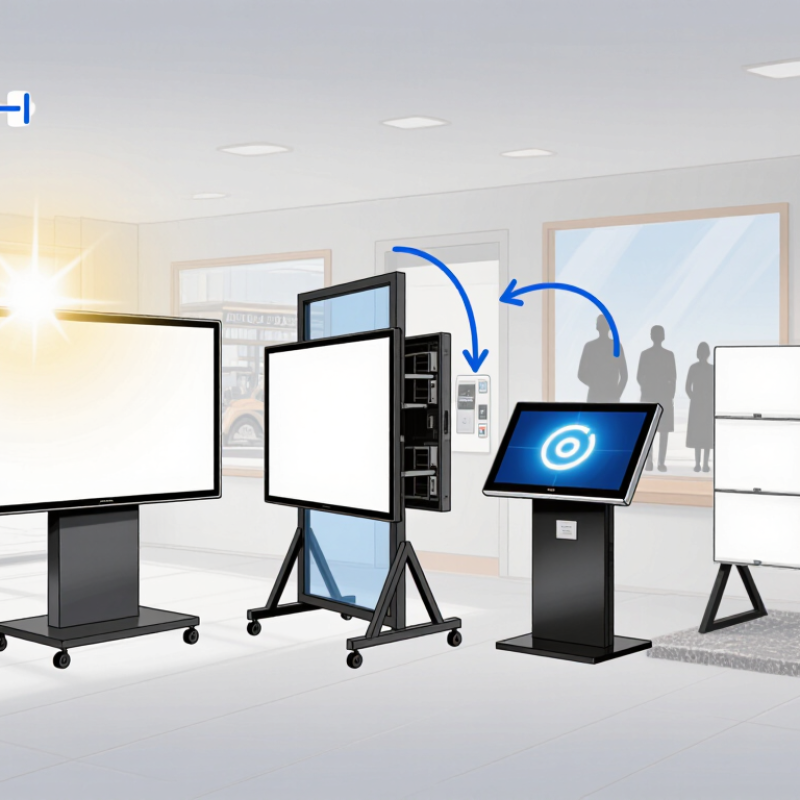
In 2026, Poster Led Display products come in several practical formats, each designed for different spaces and viewing conditions. Common options include portable indoor models, high-brightness outdoor units, double-sided displays, interactive screens, and modular designs that can be joined for larger presentations. The differences are visible on site: a slim unit beside a shop entrance serves a different purpose from a bright display facing a sunlit street. Some distinctions are less obvious. Pixel pitch, cabinet weight, cooling, and service access can matter more than a polished product photo suggests.
This guide compares the leading poster LED display types and explains where each may fit. It considers brightness, image clarity at typical viewing distances, mobility, installation needs, connectivity, and ongoing maintenance. No single type is best for every venue. A café, trade-show booth, transport hub, and retail window each create different demands. Check technical specifications against the actual environment, and confirm warranty and support terms with the supplier. Small details matter. A display that looks impressive indoors may be difficult to read in direct sunlight; a portable model may still be awkward to move through a narrow doorway. This overview also leaves room for judgment: product categories overlap, and “top” depends on priorities, not just features. The aim is to help buyers compare options carefully before choosing a screen for their space.
How Poster LED Displays Work and What Defines Them
What Are the Top Poster LED Display Types in 2026?
How Poster LED Displays Work and What Defines Them
A poster LED display is a slim, upright screen built from tiny red, green, and blue light-emitting diodes. Each pixel blends these colors to form an image. A control system converts video or still-image files into signals, then sends them to display modules. Inside a shop window, you can often see the result clearly: bright colors, smooth motion, and content that changes without replacing printed panels.
Pixel pitch—the distance between neighboring pixels—helps define where a display works best. A smaller pitch can make text and images look sharper at close range, but it may increase cost. Brightness, viewing angle, refresh rate, and cabinet design also matter. Most poster displays combine the screen, controller, and power supply in one portable unit. Some support network updates; others rely on local media. Simple in theory. Less simple in bright sunlight.
Fortune Business Insights’ Digital Signage Market report valued the global market at $28.83 billion in 2023 and projected $45.94 billion by 2030. That broader market includes many display formats, not poster LEDs alone, so the figures provide context rather than a product forecast. For buyers, the practical test is more specific: check readability from the intended distance, inspect content controls, and compare measured power use. Specifications do not always predict real-world performance. A display can look impressive in a showroom and still disappoint in a sunlit entrance.
The Main Types of Poster LED Displays Available in 2026
What Are the Top Poster LED Display Types in 2026?
Poster LED displays in 2026 mainly come in freestanding, double-sided, foldable, and window-facing formats. Each suits a different viewing environment. A single-sided unit works well beside a shop entrance or along an indoor aisle. Its slim cabinet can fit where a larger video wall cannot.
Double-sided models show content in two directions, making them useful in open corridors and retail walkways. Foldable or linked units are easier to transport and arrange for temporary events. Window-facing displays are built for bright ambient light, but their visibility depends on sunlight, glass reflections, and viewing distance. Small details matter.
Choosing a type involves more than appearance. Check the display’s pixel pitch against the distance viewers will stand; close-up screens generally need finer pixels. Ask about brightness adjustment, ventilation, cabinet weight, and how technicians access components. A bright screen may look impressive indoors, yet feel uncomfortable in a dim store. Likewise, a portable frame can still be awkward to move. There is no perfect format. Match the display to its location, operating hours, and content needs, then confirm those conditions with a hands-on viewing test.
How Poster LED Display Types Differ in Design and Performance
Poster LED displays may share a slim, upright shape, but their construction affects installation, maintenance, and viewing. A one-piece model is quick to position and keeps setup simple, though its cabinet may make component access less convenient. Modular displays use separate panels, allowing a technician to replace one section instead of moving the whole screen. That flexibility brings more connectors and setup checks. Small detail, big impact.
Wheeled models suit retail floors where promotions change often; wall-mounted versions save space in narrow corridors. Some units support linked screens, while touch-enabled designs invite closer interaction but need durable front surfaces. Brightness, pixel pitch, and refresh rate also shape performance. A finer pixel pitch can make text look cleaner at close range, while a brighter screen may improve visibility near windows. Brightness matters. Compare specifications under the lighting conditions the display will actually face, and check power use, ventilation, and service access. A display that looks impressive in a showroom may feel less practical after a full day of operation. These differences are easy to overlook.
Common Applications for Each Poster LED Display Type
What Are the Top Poster LED Display Types in 2026?
Common Applications for Each Poster LED Display Type
Freestanding poster LED displays suit hotel lobbies, retail entrances, and exhibition halls. Their wheeled bases make repositioning easier when layouts change. They travel well. Use them for event schedules, product launches, or clear directional messages. Check viewing distance before choosing pixel pitch; fine text can look soft when the screen is viewed closely.
Wall-mounted models work well in narrow corridors, clinics, and shops where floor space matters. Double-sided displays can attract people approaching from either direction, making them useful near walkways and transit concourses. Transparent poster screens fit selected storefront windows, where daylight and visibility into the shop are important. Their image may look less vivid in bright sunlight, though. That trade-off is easy to overlook.
Tips: Match the display to its location, not just its appearance. Measure the available width, note nearby windows, and check power access before installation. Keep messages short enough to read while walking. A striking screen is not always the most useful one.
How to Select a Poster LED Display for Your Needs
A poster LED display should match viewing distance, ambient light, and daily use—not just look good in a storefront photo. For close indoor viewing, finer pixel pitch keeps text and product details crisp. Near a bright window, prioritize brightness and glare control. Check viewing distance. Request measured brightness, power draw, and refresh specifications, then test sample content under the site’s actual lighting. Slim floor-standing units suit pop-ups; wall-mounted displays can work better where foot traffic is tight. Confirm service access and transport weight before choosing.
MarketsandMarkets’ Digital Signage Market report valued the global market at $27.8 billion in 2024 and projected $40.8 billion by 2029. That growth signals wider adoption, but it does not identify the right poster format for your location. Compare energy use and content-management needs, not purchase price alone. Ask for verifiable specifications and clear warranty terms. Remote scheduling may help a chain store; a single shop may need only simple network control. I would still test the display for a full business day. A bright showroom demo can mislead.
What Are the Top Poster LED Display Types in 2026? How to Select a Poster LED Display for Your Needs
Representative Pixel Pitch by Poster LED Display Type
Pixel pitch is the distance between neighboring LED pixels, measured in millimeters. A smaller pitch generally produces a sharper image at closer viewing distances. These values are representative examples, not industry averages; specifications vary by product. When selecting a display, also consider viewing distance, ambient light, installation location, and whether transparency is needed.





