Top 10 Pneumatic Valve Actuators for Global Buyers?
Pneumatic Valve Actuators play a crucial role in various industries. With a growing market size projected to reach $6.5 billion by 2025, these devices are essential for automation. According to a report by MarketsandMarkets, the increasing demand for efficient flow control solutions drives this growth. The demand for energy-efficient actuators also supports the transition toward more sustainable industrial practices.
Manufacturers face challenges in optimizing performance and reliability. Factors such as actuator design and material selection are critical. A recent study highlighted that 30% of valve-related issues stem from inadequate actuator performance. This underscores the need for innovative solutions and careful selection of Pneumatic Valve Actuators to meet industry standards.
Additionally, global buyers seek versatility and ease of integration with existing systems. The rise of smart technologies indicates a shift toward intelligent actuators. However, improper understanding of operational requirements can lead to inefficient implementations. It's essential for buyers to research thoroughly, weigh options, and recognize that not all products meet their needs perfectly.
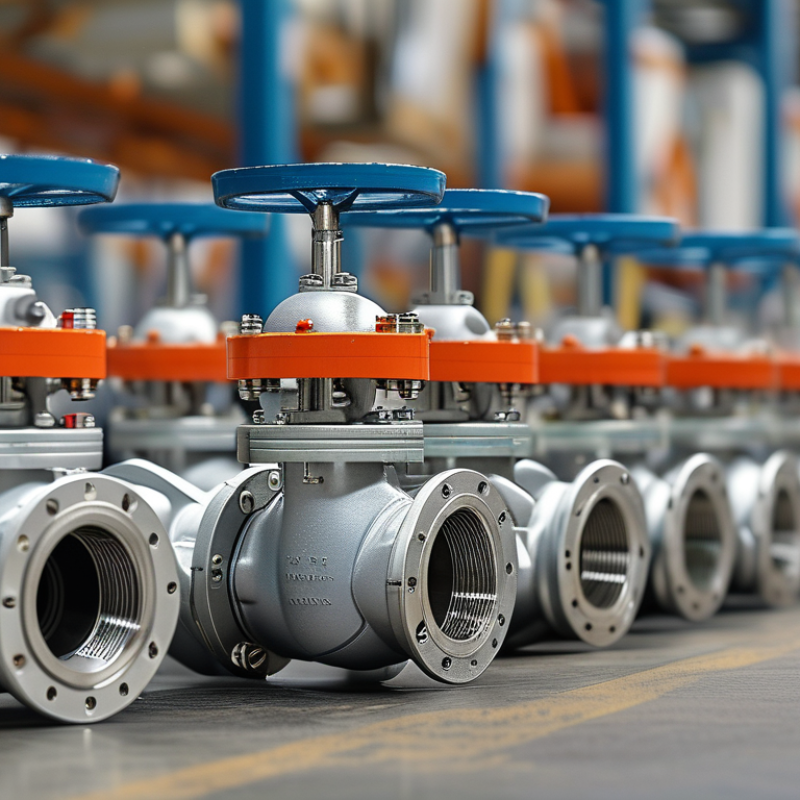
Overview of Pneumatic Valve Actuators and Their Applications
Pneumatic valve actuators play a vital role in various industries. They convert compressed air into mechanical movement, enabling the control of valves. This technology is essential for processes in manufacturing, water treatment, and food processing.
Key applications include regulating flow and pressure in pipelines. They are effective in environments requiring quick response times. Additionally, these actuators can be used in hazardous settings, where electrical systems may pose risks. Their durability makes them suitable for tough conditions, yet it's important to consider their limitations.
**Tips:** Choose actuators based on your specific needs. Assess the environment in which they'll operate. Consider factors like temperature and moisture levels. Regular maintenance is crucial for performance. Inspect for wear and tear consistently.
While pneumatic actuators have advantages, they can also underperform. Issues with air supply quality can hinder efficiency. Users should reflect on their system designs. Ensuring compatibility with existing equipment is essential for optimal performance.
Top 10 Pneumatic Valve Actuators for Global Buyers
| Model | Actuation Type | Operating Pressure (psi) | Temperature Range (°C) | Typical Applications |
| Model A | Double Acting | 80-120 | -20 to 80 | Chemical Processing |
| Model B | Spring Return | 50-150 | -10 to 70 | Water Treatment |
| Model C | Double Acting | 60-130 | -20 to 60 | Oil & Gas |
| Model D | Spring Return | 70-140 | -10 to 65 | Food & Beverage |
| Model E | Double Acting | 80-160 | -20 to 90 | Pharmaceuticals |
| Model F | Spring Return | 50-100 | -15 to 75 | Power Generation |
| Model G | Double Acting | 90-160 | -25 to 80 | Mining |
| Model H | Spring Return | 60-120 | -10 to 70 | HVAC Systems |
| Model I | Double Acting | 70-140 | -20 to 50 | Pulp & Paper |
| Model J | Spring Return | 60-125 | -15 to 75 | Construction |
Key Features to Consider When Selecting Pneumatic Valve Actuators
When selecting pneumatic valve actuators, several key features warrant attention. The actuator's response time is crucial. Fast-acting devices enhance system efficiency. Consider the torque output too. Higher torque is essential for large valves, ensuring they operate smoothly under pressure. The actuator's design should be robust, able to withstand harsh environments without failing.
Another factor is the compatibility with control systems. Many actuators integrate with various automation solutions. Flexibility in control options can simplify operations. Also, look at the maintenance requirements. Some actuators are easier to maintain than others, impacting long-term costs. Complex designs may require specialized knowledge for servicing.
Lastly, consider the actuator's lifespan. A longer operational life reduces replacement frequency. However, remember that durability often comes at a higher initial cost. Thus, assessing the total cost of ownership is vital. Understanding these nuances can lead to better purchasing decisions, even if it may seem overwhelming at first.
Top 10 Pneumatic Valve Actuators for Various Industrial Needs
Pneumatic valve actuators are crucial for many industries. They control the flow of fluids reliably. In manufacturing, they ensure safety and efficiency. Their application ranges from water treatment to chemical processing. Selecting the right actuator can significantly impact operational performance.
Different industrial needs dictate specific actuator features. For high-temperature environments, durable materials are necessary. In contrast, low-power needs might require compact designs. Many users struggle with determining which actuator best fits their specific use case. Evaluating pressure ranges and response times is essential.
Customization options are vital for achieving optimal performance. Users often express concerns related to maintenance and reliability. Proper training on actuator installation and operation can mitigate such issues. Understanding the actuator’s capabilities helps enhance workflow. Selecting an actuator based solely on cost can lead to inefficiencies.
Comparative Analysis: Leading Brands of Pneumatic Valve Actuators
In the realm of pneumatic valve actuators, market dynamics reveal a competitive landscape. Recent industry reports indicate that the global pneumatic actuator market is projected to grow at a CAGR of 5.2% from 2021 to 2028. This growth highlights the increasing importance of automation in various sectors, including oil and gas, water treatment, and manufacturing.
Comparative analysis of leading actuator brands shows variations in design and functionality. For instance, some actuators focus on lightweight materials that enhance efficiency. Others emphasize torque output, which is crucial for heavy-duty applications. Interestingly, user feedback often points out reliability issues, sparking discussions on the need for improved quality control in actuator production.
Moreover, the challenge lies in balancing cost and performance. Many buyers report that their initial savings from lower-priced products can lead to higher long-term costs due to frequent maintenance. This factor raises questions about the sustainability of relying solely on cost when choosing an actuator. A more holistic understanding of performance and reliability is essential for global buyers seeking to make informed purchasing decisions.
Future Trends in Pneumatic Valve Actuator Technology and Market Demand
The demand for pneumatic valve actuators is growing rapidly across various industries. According to a recent report from MarketsandMarkets, the global pneumatic actuator market is expected to reach $4.1 billion by 2025. This increase is driven by advancements in automation and the need for efficient control systems. Furthermore, the integration of Industry 4.0 technologies is reshaping how these actuators are utilized in manufacturing processes.
Future trends indicate a rising adoption of smart actuators. These devices offer enhanced connectivity features, allowing for remote monitoring and control. A study by Fortune Business Insights predicts that the intelligent actuator market will expand at a compound annual growth rate (CAGR) of 6.4% from 2021 to 2028. As more companies realize the value of data analytics, the demand for smart solutions will likely surge.
Tip: When selecting a pneumatic valve actuator, consider the
specific operational requirements. Factors such as
pressure range,
speed, and
torque are critical to ensure optimal performance.
The recent focus on
sustainability also impacts the industry. There is a growing need for actuators that minimize energy consumption. Companies are investing in research to develop eco-friendly products. However, finding a balance between performance and environmental impact remains challenging. Manufacturers must innovate while considering
regulatory standards.
Tip: Regularly reviewing industry trends can help businesses make informed decisions. Staying updated can lead to better investment choices in actuator technology.





