Top 5 Pneumatic Actuator Components You Must Know?
Pneumatic actuators play a crucial role in modern automation systems. Understanding the key Pneumatic Actuator Components can enhance efficiency and performance. These components work together to convert compressed air into mechanical motion, driving various industrial processes.
Knowing the essential components is vital for engineers and technicians. Key parts include valves, cylinders, and filters. Each component contributes to the actuator's overall functionality. A reliable valve ensures proper control of air flow. Meanwhile, a well-designed cylinder enhances movement precision.
However, not all components are created equal. Some may wear out faster than others. Maintaining these components is essential for extended lifespan and reliability. Ignoring minor issues can lead to major failures. Therefore, having knowledge of Pneumatic Actuator Components allows for better maintenance practices. It can ultimately save time and resources in the long run.
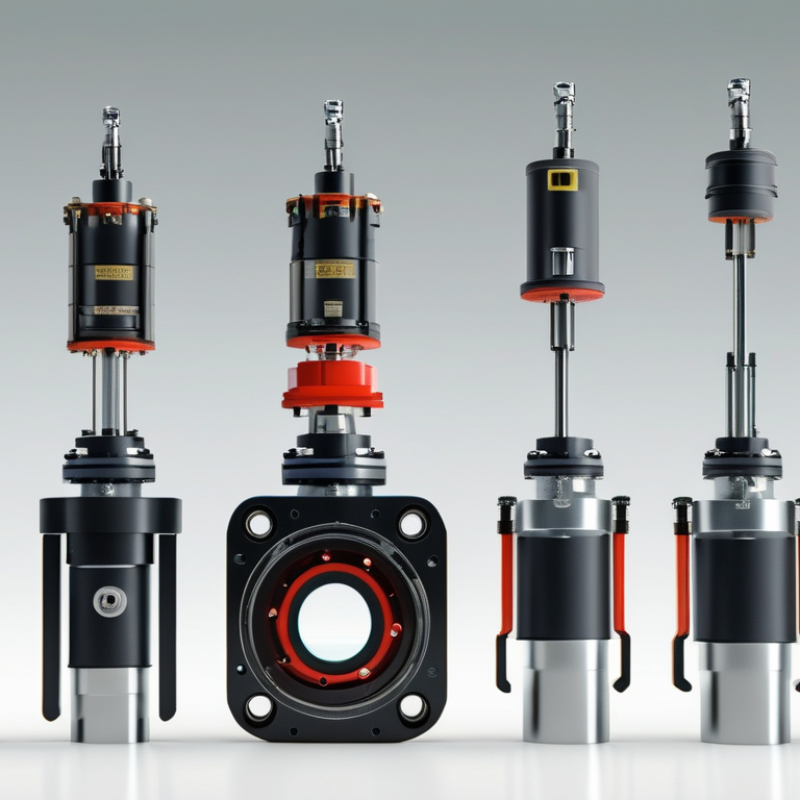
Understanding Pneumatic Actuators and Their Importance
Pneumatic actuators play a crucial role in various industrial applications. They convert compressed air into mechanical motion. This enables systems to operate efficiently and reliably. Understanding their components helps in maintaining performance and safety.
Key components include valves, cylinders, and fittings. Each part must work seamlessly to ensure smooth operation. For instance, a malfunctioning valve can disrupt the entire system. Proper selection and maintenance are essential, but often overlooked. Many users tend to ignore the wear and tear of these components until failures occur.
Regular inspections can prevent costly downtime. However, it is not enough to just check the parts. Understanding how they interact is vital. A deeper grasp of pneumatic systems can enhance performance and reliability. Users should be proactive in learning about their actuators for optimal operation.
Key Components of Pneumatic Actuators Explored
Pneumatic actuators are essential in various industrial applications. Knowing their key components can enhance performance and reliability. The primary components include the actuator body, piston, cylinders, and control valves. Each part plays a critical role in operation.
The actuator body houses internal components. It must withstand high pressure and operate efficiently. A well-designed body can improve the lifespan of the actuator by 20% (according to industry reports). The piston converts air pressure into linear or rotary motion, making it crucial for effective movement in any application.
Tips: Regular maintenance of your actuator components can prevent unexpected failures. Check for wear and alignment of the piston and seals. Additionally, control valves regulate airflow and pressure. Their proper function ensures precise movements, reducing energy waste by up to 30% in optimized systems.
When evaluating system needs, consider the size and type of the actuator. Not all components will fit every application. This might lead to inefficiencies, or worse, mechanical failures. Always consult with industry experts to ensure the best component selection tailored to your requirements.
Functionality and Operation of Pneumatic Actuator Elements
Pneumatic actuators play a vital role in various industries, utilizing compressed air to create movement. Understanding their components is essential for effective operation. These actuators typically consist of a cylinder, piston, valve, and possibly accessories like accumulators. Each of these elements is integral to the actuator's functionality.
The cylinder houses the piston, which converts air pressure into mechanical energy. According to industry reports, nearly 60% of actuator failures come from issues related to cylinder wear or improper sealing. Proper maintenance of seals can prevent these failures. Valves control airflow, determining the actuator's speed and direction. Utilizing precise valves can enhance performance significantly, reducing response times by up to 30% in some applications.
While pneumatic systems are reliable, challenges remain. Air leaks are a common issue, potentially leading to significant efficiency losses. Reports indicate that leaks may account for 20-30% of compressed air usage in some facilities. Addressing these leaks can improve system reliability and reduce operational costs. Understanding these components and their interactions is crucial for optimizing system performance and ensuring long-term efficiency.
Top 5 Pneumatic Actuator Components
Common Materials Used in Pneumatic Actuator Components
When choosing materials for pneumatic actuator components, several factors come into play. Common materials include aluminum, steel, and plastic. Each material offers unique advantages and disadvantages. Aluminum is lightweight and resistant to corrosion, making it a popular choice. Steel, while heavier, provides exceptional strength and durability under high pressures. Plastic, often used in seals and fittings, offers resistance to wear and reduces overall weight.
According to a report by the International Pneumatic Association, demand for lightweight materials in actuators has increased by over 25% in the last five years. This trend highlights the industry's push for efficiency and energy savings. However, reliance on plastic components can lead to concerns regarding impact resistance. Some manufacturers report that while plastic reduces weight, it may not hold up as well under extreme conditions.
Understanding material properties is critical for performance and reliability. A study from the Journal of Mechanical Engineering revealed that around 15% of actuator failures are due to material fatigue. Therefore, it’s essential to select materials that balance weight, strength, and environmental resistance. Moving forward, adapting to innovative materials and manufacturing techniques remains a key focus area in the industry.
Maintenance Tips for Enhancing Pneumatic Actuator Longevity
Pneumatic actuators play a vital role in various industrial processes. To maximize their longevity, proper maintenance is essential. Regular inspections of the actuator’s components can prevent unexpected failures. Check for signs of wear, such as leaks or unusual noises. These indicators often signal the need for immediate attention.
Implement a routine lubrication schedule to reduce friction. Proper lubrication ensures that moving parts function smoothly. It’s essential to use the recommended lubricants. Over-lubrication can cause more harm than good, leading to buildup and inefficiency. Additionally, consider the operating environment. Dust and moisture can affect performance, so proper sealing is crucial.
Understanding the actuator’s operational limits is important for safe use. Avoid exceeding recommended pressure levels. Doing so can result in damage that requires costly repairs or replacement. Training staff on best practices can minimize risks. Encourage a culture of awareness regarding equipment care. This approach fosters reliability and improves the overall lifespan of pneumatic systems. Regular feedback and improvement can help identify areas needing attention.
Top 5 Pneumatic Actuator Components You Must Know
| Component | Function | Material | Common Issues | Maintenance Tips |
| Cylinder | Converts compressed air into mechanical motion | Aluminum, Steel | Leakage, Wear | Regularly check seals and O-rings for wear |
| Solenoid Valve | Controls airflow to the actuator | Plastic, Metal | Electrical failure, Clogging | Inspect wiring and clean valve regularly |
| Pressure Regulator | Maintains consistent pressure | Brass, Aluminum | Pressure fluctuations, Blockages | Regularly calibrate and check for obstructions |
| Actuator Spring | Provides return force to the actuator | Stainless Steel | Fatigue, Breakage | Replace if signs of wear are apparent |
| Position Sensor | Detects actuator position | Plastic, Metal | Inaccuracy, Electrical issues | Test functionality regularly, replace if faulty |





