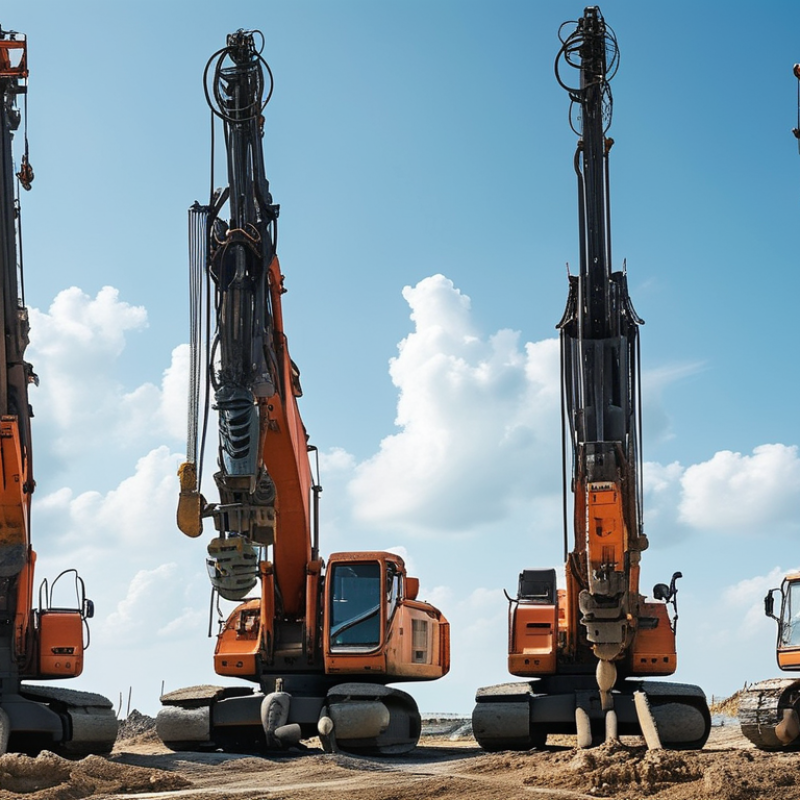
Top 5 Piling Equipment You Need for Your Projects?
When embarking on a construction project, selecting the right Piling Equipment is crucial. Piling is synonymous with stability and support in building foundations. The right tools can make a significant difference. They ensure safety, efficiency, and lasting results.
Various types of piling equipment are available on the market. Each has unique features tailored for specific tasks. Choosing the wrong equipment might lead to delays or structural problems. It's essential to understand your project's needs before making a choice.
Investing in quality piling equipment enhances the overall success of your project. It reflects your commitment to durability and safety. Understanding the nuances in equipment can be overwhelming. However, familiarizing yourself with top options makes the process easier and more effective.
Essential Types of Piling Equipment in Construction Projects
When undertaking construction projects, choosing the right piling equipment is crucial for stability and safety. Essential types of piling equipment play a significant role in the overall success of any foundation work. According to a recent report by the International Society for Soil Mechanics, improper piling can lead to structural failures, costing projects millions in damages.
Top equipment types include driven piles, auger cast piles, and screw piles. Driven piles are often preferred for their speed and effectiveness. They penetrate soil quickly, providing immediate support. Auger cast piles are ideal for environments where vibration must be minimized. Their installation is quieter and reduces ground disturbance. Screw piles, on the other hand, are versatile and can be used in various soil types.
Tip: Always assess soil conditions before selecting equipment. Proper site analysis can prevent costly rework and ensure the right equipment is chosen. Investing in quality equipment can significantly enhance project efficiency.
It’s important to acknowledge that the choice of piling equipment can vary significantly based on project requirements and environmental factors. Continuous monitoring and adjustments during execution are necessary to identify any potential inefficiencies or failures. Adaptability and informed decision-making are keys to successful project completion in construction.
Factors to Consider When Choosing Piling Equipment
Choosing the right piling equipment for your projects hinges on various critical factors. One key aspect is the soil type at your construction site. According to the American Society of Civil Engineers, about 30% of construction delays stem from inadequate site assessments. Different soil conditions may require unique equipment, so understanding these fundamentals is crucial.
Weight capacity is another pivotal factor. Heavy piles demand powerful machinery to ensure stability. A recent report highlighted that using the wrong equipment can lead to a 20% increase in project costs. Equipment fatigue is a common concern. The lifespan may diminish if improperly matched to project demands. Also, consider the tool’s installation speed. Delays can arise from inefficient machinery, affecting overall timelines.
Lastly, contractor expertise plays a major role in equipment selection. Experienced contractors analyze and adapt equipment to potential site challenges. A study indicated that projects led by seasoned professionals saw a remarkable 25% reduction in unexpected costs. When weighing these considerations, reflect on the long-term implications of your choices. Ensure to balance immediate needs with future project requirements.
Detailed Overview of Each Type of Piling Equipment
Piling equipment plays a crucial role in construction projects. Understanding the different types of equipment is essential for making informed decisions. Here are some common types of piling equipment you should consider.
Drill rigs are vital for creating deep foundations. They penetrate various soil types effortlessly. According to the International Foundation Congress and Equipment Conference, demand for high-performance rigs is increasing by 7% annually. Such growth reflects advancements in efficiency and capability. Operators can select between rotary or core drilling options, based on site conditions.
Another important type is the pile driver. This machine drives piles into the ground using a hammering mechanism. It is ideal for heavy structures that require stable support. Researchers indicate that using advanced pile drivers can enhance installation speed by up to 30%. This improvement significantly reduces project timelines, benefiting both budget and scheduling. However, the noise and vibration can pose challenges in urban areas, necessitating careful planning.
Lastly, vibratory hammers are widely used for displacement piling. Their ability to move soil around the pile reduces resistance and enhances placement speed. Despite their effectiveness, reliance on this equipment must be balanced with environmental concerns. Overuse can lead to soil compaction issues, which may affect nearby ecosystems. This highlights the need for thoughtful project management and equipment selection.
Maintenance Tips for Piling Equipment Longevity
Piling equipment is essential for construction projects. However, maintaining this equipment properly can be a challenge. Routine checks can help detect issues early. Workers should observe for unusual sounds or vibrations. Ignoring these signs may lead to costly repairs or project delays.
Regular cleaning is crucial. Dirt and mud can affect the equipment's performance. Ensure moving parts are free of debris. Lubrication is another key aspect. It helps reduce friction and wear. Operators must follow specific guidelines for applying lubricants.
Storing piling equipment correctly extends its lifespan. Outdoor storage can expose it to harsh weather conditions. A sheltered area is ideal for protecting the machinery. Inspection before use can prevent accidents. Even small issues may escalate if left unattended. Taking proactive measures can lead to more reliable operations.
Top 5 Piling Equipment You Need for Your Projects
| Equipment Type | Description | Recommended Use | Maintenance Tips |
| Pile Driver | Utilized for driving piles into the ground for support | Construction and foundation projects | Regularly check hydraulic systems and lubricate moving parts |
| Bored Pile Auger | Drills deep holes for concrete piles | Deep foundation projects | Inspect for wear and ensure proper cleaning after use |
| Pile Extractor | Removes piles from the ground with minimal damage | Salvaging old piles | Check alignment and hydraulic levels regularly |
| Vibratory Hammer | Uses vibration to drive piles into soil | Urban construction sites | Monitor vibration levels and perform regular wear checks |
| Load Tester | Tests the load capacity of driven piles | Quality assurance during and post-construction | Calibrate equipment before each test and maintain records |
Safety Considerations When Using Piling Equipment
Piling equipment plays a crucial role in construction projects. However, safety considerations cannot be overlooked. According to the Occupational Safety and Health Administration (OSHA), about 75% of all construction fatalities result from falls, being struck by objects, electrocutions, or being caught in between. Proper use of piling equipment can significantly mitigate such risks.
Training is essential for workers operating these machines. A report from the National Institute for Occupational Safety and Health (NIOSH) states that effective training can reduce incidents by up to 40%. Workers must understand equipment controls and safety features. Regular safety drills can improve muscle memory, leading to better responses during emergencies.
Personal protective equipment (PPE) like hard hats, gloves, and steel-toed boots should be mandatory. It is alarming that 20% of injuries in the construction industry stem from inadequate PPE. Moreover, regular inspections of piling equipment are vital; neglecting maintenance can lead to malfunctions, which can be catastrophic. Safety should not be an afterthought; it must be integrated into every phase of the project.
Top 5 Piling Equipment You Need for Your Projects