Top Permanent Hair Removal Machines for Global Buyers
Choosing among the top permanent hair removal machines takes more than comparing prices or power ratings. Global buyers must consider treatment technology, operating costs, service access, and the needs of their intended clients. Permanent Hair Removal is commonly associated with long-term hair reduction, but results differ by device, treatment plan, skin tone, and hair characteristics. No machine guarantees identical outcomes for every person.
This guide examines common options, including diode laser, alexandrite, Nd:YAG, and intense pulsed light systems. It highlights practical specifications such as wavelength, spot size, pulse settings, cooling, and expected treatment speed. These details matter in a busy clinic, where consistent performance and manageable maintenance can affect daily operations. A large screen may look impressive. It is not enough.
Buyers should also review manufacturer documentation, operator training, warranty terms, and the availability of replacement parts. Safety features and clear instructions deserve close attention, especially when equipment will be used by multiple practitioners. Requirements can vary between markets, so purchasers should confirm that a device and its intended use meet applicable local standards before buying. A supplier’s polished brochure is useful, but it cannot answer every question. Ask for evidence, and compare claims carefully.
There is no universal best choice. A compact system may suit a small practice, while a high-throughput platform may fit a larger clinic. Even a strong machine can disappoint if staff lack training or clients receive unrealistic expectations. Some comparisons are imperfect, because manufacturers report specifications differently. This overview offers a practical starting point, not a substitute for professional assessment or careful due diligence.
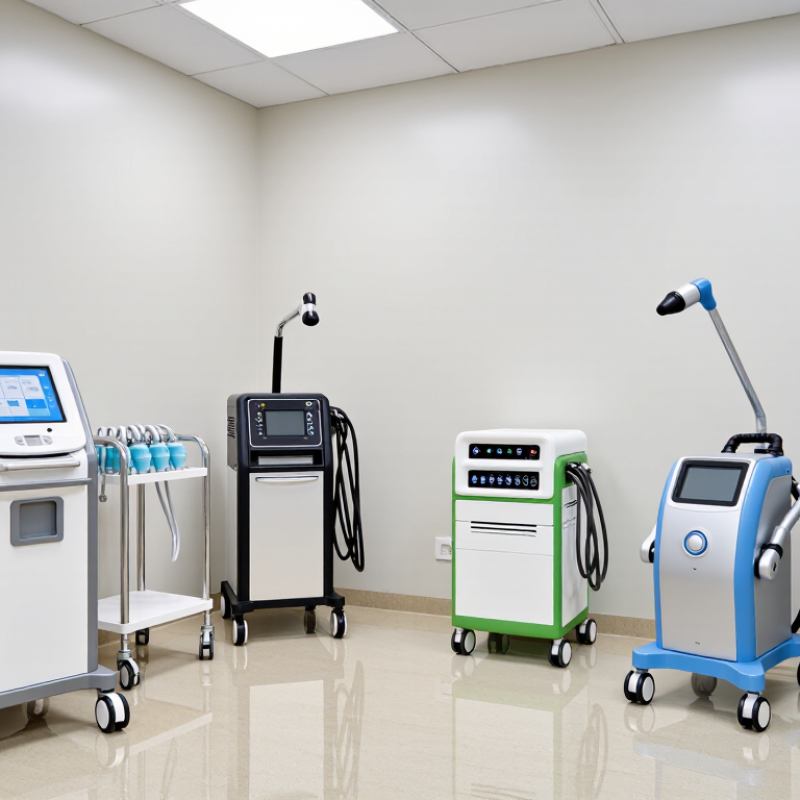
Understanding Permanent Hair Removal Machines and Their Applications
Permanent hair removal machines are designed to reduce unwanted hair by targeting follicles. Laser devices deliver a focused wavelength, while intense pulsed light (IPL) uses a broader range of light. Both rely on pigment absorbing energy, so results can vary with hair color, skin tone, and treatment settings. Neither guarantees that every hair will disappear permanently; long-term reduction is a more realistic expectation.
Applications range from the upper lip and underarms to larger areas such as legs and backs. Hair grows in cycles, so several sessions are usually needed, spaced according to professional guidance. A small test area can help assess comfort and skin response before treating a larger zone. Gray, blonde, or red hair may respond less reliably because it contains less suitable pigment. Device choice matters. So does operator training.
Tips: Check the machine’s intended skin and hair ranges, cooling method, adjustable settings, and service support. Use protective eyewear and follow the operating instructions. Do not treat irritated or recently tanned skin without qualified advice. Keep clear session records; progress may be uneven, and that can be frustrating. A careful consultation is more useful than promises of instant results.
Top Permanent Hair Removal Machines for Global Buyers - Understanding Permanent Hair Removal Machines and Their Applications
“Permanent hair removal” is often used as a general market term. Laser and intense pulsed light (IPL) treatments are generally described as providing long-term or permanent hair reduction; electrolysis can permanently remove treated follicles. Results and suitability depend on the device, operator, hair and skin characteristics, and local regulations.
| Technology or machine type | Light source or method | Common applications | Important suitability notes | Buyer considerations |
| Alexandrite laser | A 755 nm laser wavelength | Laser hair reduction on suitable skin and hair combinations; often used for larger treatment areas. | Typically most suitable for lighter skin with dark hair. Greater caution is needed with darker or recently tanned skin because of increased risk of pigment changes or burns. | Check adjustable parameters, cooling, treatment-spot options, operator training, and local device authorization. |
| Diode laser | Commonly around 800–810 nm; specifications vary by device. | Long-term hair reduction on areas such as the legs, arms, underarms, and back, when indicated for the individual. | Can be used across a range of skin types with appropriate device settings and expertise. Suitability is not guaranteed by wavelength alone. | Compare cooling performance, handpiece ergonomics, pulse controls, service availability, and documented safety training. |
| Long-pulsed Nd:YAG laser | A 1064 nm laser wavelength | Hair reduction for appropriately assessed darker skin types and selected body areas. | Often preferred over shorter-wavelength hair-removal lasers for darker skin, but treatment still requires careful assessment, suitable settings, and trained operation. | Confirm that the device supports the intended pulse durations, cooling method, and treatment protocols for the target population. |
| IPL system | Broad-spectrum, non-laser light; filters select parts of the emitted spectrum, which varies by system. | Hair reduction in professional settings or at home, depending on device classification and intended use. | Results and suitable users depend on the specific device. Many systems are less effective on very light hair and may not be appropriate for darker skin tones or tanned skin. | Review filter options, skin-tone sensors, treatment-window size, flash-life claims, user instructions, and whether the device is professional-use or home-use. |
| Electrolysis: thermolysis, galvanic, or blend | A fine probe delivers heat, electrical current, or a combination to treat individual follicles. | Individual hairs, smaller areas, and hair colors that respond poorly to light-based methods; treatment can be performed on a wide range of skin and hair colors by a trained practitioner. | Follicles are treated one at a time, so larger areas can require substantial time and multiple appointments. Outcomes depend on technique and follow-up. | Assess practitioner training, hygiene and probe protocols, current controls, service support, and suitability for the expected treatment volume. |
Global Purchasing Checklist
- Verify device registration, intended use, labeling, and import requirements in each destination market.
- Request technical specifications, safety documentation, operator training materials, and maintenance schedules.
- Confirm electrical compatibility, consumable availability, warranty terms, repair turnaround, and language support.
- Compare total cost of ownership, including installation, training, service, replacement parts, and consumables.
- Require appropriate eye protection, skin assessment, contraindication screening, and trained operation for light-based systems.
How Laser and IPL Technologies Reduce Hair Growth
Laser systems direct concentrated light toward melanin in the hair shaft. The absorbed energy becomes heat and can damage the follicle’s growth structures. This may slow regrowth and reduce hair density, but it does not remove every hair permanently. Timing matters. Hair responds best during its active growth phase, and follicles enter that phase at different times. Several carefully spaced treatments are usually needed. Dark, coarse hair often responds better than very light, grey, or red hair because it contains less suitable pigment. That distinction is easy to miss when comparing machine specifications.
IPL devices use filtered, broad-spectrum pulses rather than one focused laser wavelength. They also rely on pigment to carry heat toward the follicle, so results depend on hair colour, skin tone, settings, and technique. Not instant. For global buyers, wavelength options, adjustable pulse duration, cooling, and clear skin-tone guidance deserve close review. A qualified operator should assess suitability and perform a test spot when appropriate. Eye protection and conservative settings matter. Recent tanning can increase skin risk. Even with sound equipment, outcomes vary, and some regrowth may occur. I would treat dramatic reduction claims cautiously; the evidence and treatment records should be checked, not just the brochure.
Top Permanent Hair Removal Machines for Global Buyers: Laser and IPL Wavelengths
Representative wavelength reference points for common hair-removal technologies (nanometers).
How to read this chart: The IPL value is the midpoint of an approximate, filter-dependent output band of 500–1,200 nm; it does not mean IPL emits a single wavelength. Laser values are representative nominal wavelengths: Alexandrite 755 nm, diode approximately 800–810 nm (chart midpoint 805 nm), and Nd:YAG 1,064 nm. Wavelength alone does not determine treatment results. Laser and IPL treatments can reduce hair growth over multiple sessions, but outcomes vary by skin tone, hair characteristics, device, and treatment settings.
Comparing Leading Machine Types for Global Buyers
For global buyers, machine type matters more than a broad “permanent removal” claim. Professional diode systems are widely considered for varied treatment areas and can suit many skin tones when correctly configured. Alexandrite systems may work efficiently on lighter skin with darker hair, but are less suitable for some darker skin tones. Nd:YAG devices use a longer wavelength and are often considered for darker skin, though treatment response can vary. IPL is not a laser; it uses broad-spectrum light and may be less consistent across hair and skin types.
Fit matters. Ask for the device’s wavelength range, pulse settings, cooling method, and documented performance data. A chilled treatment tip can make sessions more comfortable, but cooling alone does not prove safe or effective treatment. Operators need proper training and a process for assessing skin tone, hair color, and recent tanning. Results vary, and many clients need multiple sessions; no machine can promise permanent removal for everyone.
For international purchasing, compare local service availability, spare-part lead times, user training, and electrical compatibility. Confirm that the device meets applicable requirements in the destination market before ordering. Request clear warranty terms and service response times in writing. One detail is easy to miss: a lower purchase price may cost more if downtime stretches for weeks. And specifications can look impressive. They do not replace supervised clinical evaluation.
Key Features to Evaluate When Choosing a Machine
A permanent hair removal machine should be judged by how well its technology fits the people and treatments it will serve. Check the wavelength or light spectrum, adjustable energy levels, pulse duration, and spot size. These settings affect treatment speed and suitability across different skin tones and hair types. Ask for clinical evidence and clear limits, not just impressive sales claims. Results vary, and many devices are intended to reduce hair over time rather than promise complete, permanent removal. That distinction matters.
Cooling is not decoration. Look for a contact-cooling system that keeps the treatment surface comfortable during repeated pulses, plus sensors and controls that help prevent unsafe settings. Request a live demonstration. A tidy specification sheet can still hide a confusing interface or slow workflow. Check the handpiece weight, treatment window, maintenance schedule, and expected replacement-part availability. For international purchasing, confirm voltage compatibility, operator training, technical support, and documentation suited to the destination market. The details can be uneven, so verify them in writing. A reliable supplier should answer practical questions clearly and provide realistic guidance on operating costs, servicing, and treatment expectations.
Safety Standards and Regional Compliance for International Markets
Top Permanent Hair Removal Machines for Global Buyers
Safety and regional compliance should guide every purchasing decision. Hair removal devices may use laser or intense pulsed light, and their risks depend on energy levels, treatment settings, and user training. Ask suppliers for current test reports covering electrical safety, electromagnetic compatibility, and optical radiation. Check that the reports match the exact model being offered.
Requirements differ across markets. Before ordering, confirm device classification, registration needs, labeling language, and import documentation with local authorities or a qualified compliance specialist. Labels should clearly explain eye protection, skin assessment, contraindications, and emergency shutdown steps. During a demonstration, inspect the handpiece, cooling system, warning indicators, and protective eyewear. Small details matter.
Training matters too. A compliant machine can still be used poorly. Request operator instructions and maintenance records, then verify that local service support is available. Some buyers focus on certificates and overlook replacement parts or calibration. I would not treat a certificate as proof of suitability for every country; its scope and issuing body need review. That extra check takes time. It can prevent costly delays and reduce avoidable safety risks.





