Top 5 Nylon Cable Gland Options for Your Projects?
In the ever-evolving landscape of industrial applications, the choice of components directly impacts performance and safety. Among these components, the Nylon Cable Gland has emerged as a crucial element for ensuring effective cable management. According to a recent market report by Industry Insights, the demand for nylon cable glands is projected to grow by over 10% annually through 2025. This growth underscores their importance in various sectors, particularly in electrical and electronics.
As noted by Dr. Emily Anderson, a leading expert in industrial connectivity, "The right Nylon Cable Gland is essential for protecting cables against environmental factors, ensuring longevity and functionality." Her insights reflect the critical role that these components play in safeguarding installations. However, project managers often face uncertainties when selecting the appropriate type. Factors include environmental conditions, mechanical requirements, and budget constraints. The complexity of these choices may lead to oversight, potentially compromising project outcomes.
This article explores the top five nylon cable gland options available today, highlighting their unique features and applications. By providing detailed insights, we aim to simplify your decision-making process and enhance project success. Let's delve into these options and understand their impacts on efficiency and reliability.
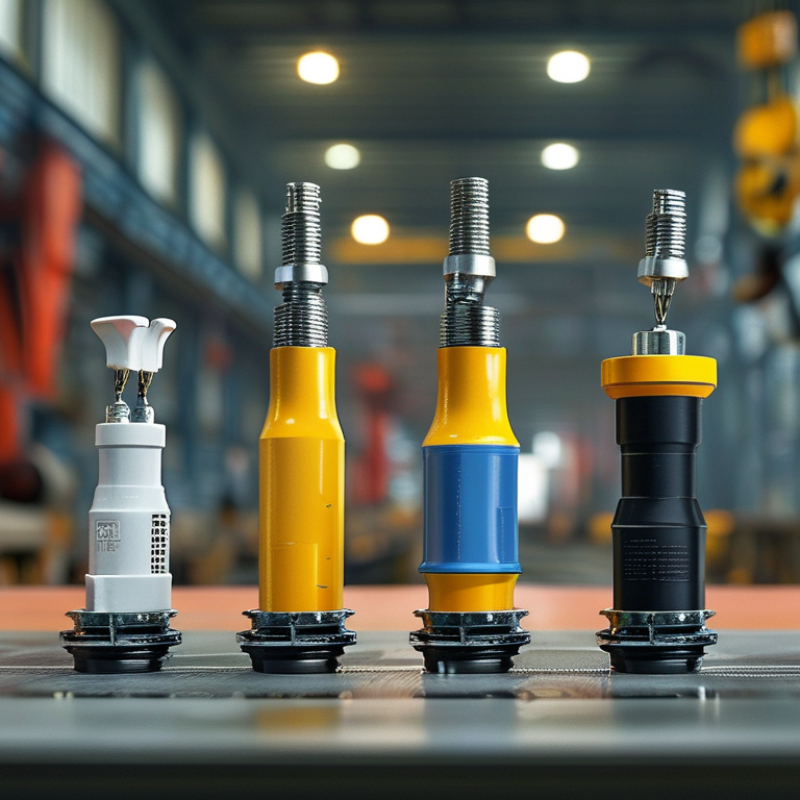
Understanding Nylon Cable Glands: Key Features and Benefits
Nylon cable glands are crucial for protecting wires and cables in various industrial applications. They offer excellent resistance to moisture, dust, and mechanical stress. Data from the International Electrotechnical Commission highlights that over 70% of equipment failures result from environmental factors affecting wiring systems. This emphasizes the importance of quality cable management solutions like nylon cable glands.
The benefits of nylon cable glands extend beyond mere durability. They exhibit exceptional electrical insulation properties. For instance, nylon can withstand temperatures ranging from -40°C to 100°C, catering to a wide range of applications. Research indicates that using nylon cable glands can enhance the lifespan of electrical connections by up to 25%. However, it’s essential to select glands that match your specific cable types and installation environments.
Despite their advantages, improper installation of nylon cable glands can lead to vulnerabilities. A common mistake is overlooking the impact of cable stress on gland performance. Ensuring the right sizing and positioning is critical to maintaining their protective capabilities. While nylon presents many benefits, vigilance in installation practices is key to achieving the full potential of these components.
Top Considerations for Choosing Nylon Cable Glands for Your Project
When selecting nylon cable glands for your projects, several factors come into play. The material must ensure durability and resistance to environmental factors. Nylon adaptations offer UV stability and are robust against various chemicals. Such properties are critical when considering outdoor installations or industrial settings where exposure is inevitable.
The gland size must match your cable diameter. Too tight can lead to damage; too loose allows dust and moisture to penetrate. Certifications matter, especially for electronics or sensitive equipment. Checking for IP ratings is crucial to ensure that your chosen gland meets your project’s requirements. It reflects on its water and dust protection capabilities, which can’t be overlooked.
Consider the installation method as well. Some nylon cable glands feature easy-to-mount designs, saving time and reducing installation errors. Despite the convenience, don't dismiss the need for proper torque settings. Over-tightening can lead to premature wear. Reflect on the best practices for installation, as they can impact both performance and longevity.
Review of the Best Nylon Cable Glands Available in the Market
When selecting the right nylon cable glands, understanding material quality is crucial. Nylon’s durability and resistance to environmental factors make it a preferred choice in various applications. According to industry reports, nylon cable glands can withstand temperatures ranging from -40°C to +100°C. This resilience is vital for projects in challenging conditions.
Safety standards also play an essential role. Reports suggest that high-quality nylon cable glands meet IP68 ratings, ensuring protection against dust and water. Such features are significant to prevent electrical failures. Choosing the wrong cable gland can lead to project delays and increased costs.
Tips: Always consider the installation environment. Assess the temperature fluctuations and moisture levels. Regular inspections can also improve lifespan.
Different projects may require specific designs, like anti-rotation features or strain relief. Pay attention to these details. Investing time in selecting the right nylon cable gland can mitigate potential risks.
Top 5 Nylon Cable Gland Options
The chart below illustrates the performance ratings of the top 5 nylon cable glands based on key parameters such as temperature resistance, moisture resistance, maximum cable diameter, and ease of installation. This visual representation helps in comparing different options available in the market for your projects.
Installation Tips for Nylon Cable Glands to Ensure Optimal Performance
When working with nylon cable glands, proper installation is crucial for their performance and longevity. According to industry reports, improper installation can reduce cable gland efficiency by up to 30%. This is a significant loss, especially in projects where reliability is key.
Before installation, ensure the cables fit snugly within the gland. An ill-fitting cable can compromise the seal and lead to moisture ingress. This is a common oversight that can escalate into costly repairs later. Also, consider the environmental conditions. High humidity, dust, or chemicals can deteriorate gland performance. Selecting a nylon cable gland rated for your specific environment can make a difference.
Tips: Use a torque wrench to tighten the glands adequately. Over-tightening can damage both the gland and the cable. Always inspect for any visible damage before installation. Regular checks of glands after installation can prevent unexpected failures. These steps can help you achieve optimal performance and reliability in your projects.
Comparative Analysis of Nylon Cable Glands vs. Other Materials
When comparing nylon cable glands to other materials, their advantages become clear. Nylon offers excellent resistance to corrosion, chemicals, and temperature variations. According to industry reports, nylon cable glands can withstand temperatures ranging from -40°C to +100°C. This durability makes them suitable for diverse environments, including industrial and outdoor applications.
In contrast, metal cable glands may provide strength but often lack the chemical resistance of nylon. Industries have noted that metal components can rust or corrode in harsh environments, leading to potential failures. Statistics show that nylon cable glands can reduce maintenance costs by up to 30%, emphasizing their reliability.
Additionally, installation with nylon cable glands is typically more straightforward. They are lightweight and often have a wider range of sizes. However, it's important to acknowledge that nylon can be less effective in high-stress environments where metal may be preferred. This trade-off highlights the need for careful consideration based on project demands.





