Top 10 Motorized Pan Tilt Positioners for Global Buyers?
In today's rapidly evolving technological landscape, choosing the right Motorized Pan Tilt Positioner can be a daunting task for many buyers. These essential devices enhance motion control for cameras, antennas, and various equipment. Their application ranges from security surveillance to broadcasting. As buyers search for the best options, understanding the variety available is crucial.
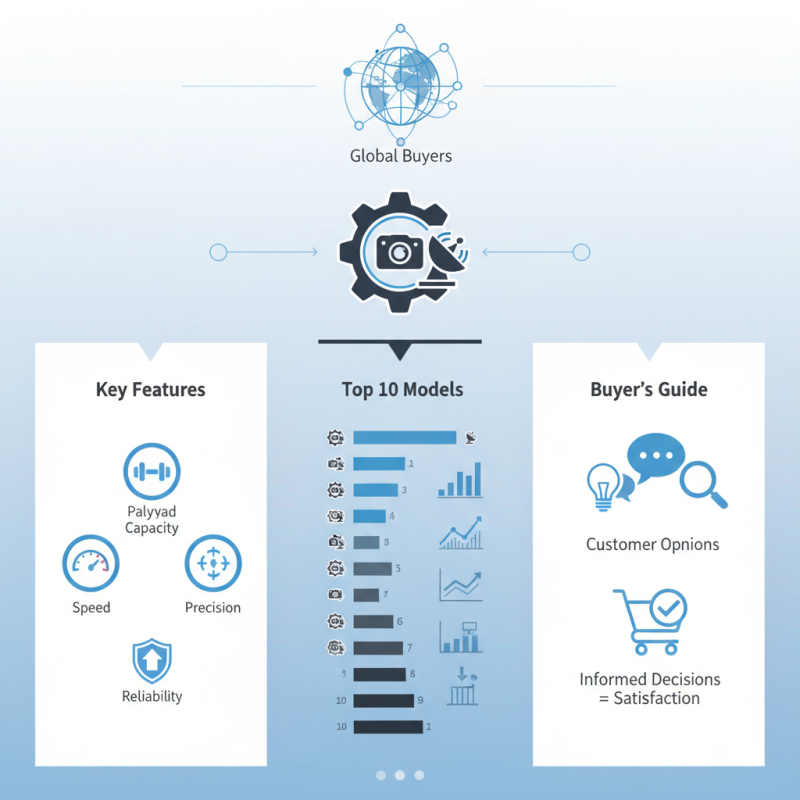
Motorized Pan Tilt Positioners come in many designs and specifications. Each model offers unique features tailored to different needs. However, some may not perform as advertised. Researching and comparing products is vital to avoid potential pitfalls. Buyers often overlook the importance of payload capacity, speed, and precision.
Ensuring reliability in choice is essential. Customer reviews and expert opinions can guide users toward more reliable products. Whether for professional or personal use, investing in a high-quality Motorized Pan Tilt Positioner impacts overall performance. Making informed decisions can lead to greater satisfaction with your purchase.
Overview of Motorized Pan Tilt Positioners and Their Importance
Motorized pan tilt positioners play a crucial role in various applications, from surveillance to broadcasting. These devices allow precise control of camera angles, ensuring optimal coverage and tracking. According to industry reports, the global market for motorized positioners is expected to grow at a compound annual growth rate (CAGR) of 5% from 2023 to 2030. This growth highlights their increasing importance in enhanced imaging and security systems.
When selecting a motorized pan tilt positioner, consider the weight it can support. Many positioners have a capacity ranging from 5 to 70 kg. Additionally, look for features such as resistance to environmental factors. Some systems are designed for outdoor use, while others are better suited for indoor applications. Conducting thorough research helps avoid costly errors in installation and application.
Tip: Always check the compatibility of the positioner with existing equipment before making a purchase.
Performance and reliability are key. Users should review feedback and professional evaluations of different models. Some positioners may excel in smooth motion but lack durability. Others might be robust but may not offer precise control. Reflect on user requirements to find a balance that best meets specific needs.
Tip: Test devices in real conditions whenever possible.
Key Features to Consider When Choosing Motorized Pan Tilt Positioners
When selecting motorized pan tilt positioners, key features play a pivotal role. These devices enable precise control of camera angles. A report by MarketsandMarkets indicates the global market for pan tilt systems will reach $300 million by 2026, driven by increasing demand in video surveillance and broadcasting. Therefore, understanding their core features is essential.
One vital feature is operational speed. Different applications may require varying speeds. A positioner with adjustable speeds offers versatility. Precision is another crucial aspect. Look for models with fine-tuned movements for accurate tracking. Additionally, weight capacity should not be overlooked. Heavy-duty models might be necessary for larger cameras.
Moreover, consider build quality and environmental ratings. Models designed for harsh conditions tend to last longer. Some may struggle with outdoor use, leading to potential failures. Maintenance needs can also be a concern, impacting long-term reliability. Balancing these factors can create challenges, as the most robust option isn't always the right fit. Therefore, extensive research and user reviews can guide more informed decisions in this evolving market.
Top 10 Motorized Pan Tilt Positioners for Diverse Applications
Motorized pan tilt positioners have become essential tools across various industries. These devices offer precise control over camera movement, enhancing surveillance, broadcasting, and robotics applications. The technology behind them is constantly evolving, providing users with more features and better performance. However, selecting the right positioner can be challenging due to diverse needs.
In the security sector, pan tilt positioners enable 360-degree surveillance. They allow operators to track moving objects effortlessly. In broadcasting, these positioners ensure smooth camera transitions, crucial for live events. Yet, many users struggle with the complexity of setup and integration. Proper training and understanding are vital for maximizing performance.
Additionally, the robotics field benefits from motorized positioners for precise movement control. This can make robotic applications smoother and more efficient. However, not all positioners are compatible with every robotic system. Users must engage in extensive research to ensure compatibility. Proper attention to detail can result in significant improvements in operational efficiency.
Top 10 Motorized Pan Tilt Positioners for Global Buyers
| Model | Payload Capacity (kg) | Pan Range (°) | Tilt Range (°) | Control Type | Applications |
| Model A | 10 | 360 | -90 to 90 | Remote/Manual | Broadcast, Security |
| Model B | 15 | 270 | -60 to 60 | Software Control | Industrial, Robotics |
| Model C | 20 | 360 | -45 to 45 | Remote/Software | Film, Live Events |
| Model D | 5 | 180 | -30 to 90 | Manual | Security, Monitoring |
| Model E | 25 | 360 | -90 to 90 | Wireless | Drones, Surveillance |
| Model F | 12 | 360 | -45 to 45 | Remote | Telecom, Inspection |
| Model G | 8 | 180 | -20 to 90 | Remote/Manual | Education, Presentation |
| Model H | 18 | 360 | -90 to 90 | Software | Security, Research |
| Model I | 22 | 360 | -70 to 70 | Remote/Software | Film, Streaming |
| Model J | 30 | 360 | -90 to 90 | Wireless/Remote | Research, Security |
Comparative Analysis of Leading Brands in Motorized Pan Tilt Positioners
When choosing a motorized pan tilt positioner, buyers face crucial decisions. Several brands stand out in the market, each offering unique features. Consider the construction quality; durability matters in demanding environments. Some models use lightweight materials, which may compromise stability. Others may weigh more but provide better performance under pressure.
Ease of use is another key factor. Many positioners come with user-friendly interfaces, making them accessible for different skill levels. However, some advanced features can be overwhelming for beginners. It's worth researching the learning curve involved in operating these devices. Additionally, pay attention to connectivity options. Wired or wireless control can influence your choice significantly, depending on the application.
Price is a significant consideration, with options ranging widely. Higher-priced models often promise superior performance or added features. Yet, budget-friendly options can still deliver acceptable results. Weighing investment against expected usage is crucial. Not every buyer needs top-tier performance, while others may find basic features insufficient for their needs.
Future Trends in Motorized Pan Tilt Technology for Global Markets
The landscape of motorized pan tilt technology is evolving rapidly. Innovations focus on enhancing user experience and operational efficiency. These systems are increasingly used in security, broadcasting, and robotics.
One notable trend is the integration of artificial intelligence. Smart algorithms allow these devices to track moving objects with precision. They can automatically adjust angles and provide real-time feedback. However, achieving flawless tracking remains a challenge. Environmental variables can affect performance, introducing potential inconsistencies.
Moreover, the rise of compact designs is noteworthy. Miniaturization helps in diverse applications, such as drones and surveillance cameras. These compact units must balance size, weight, and efficiency. Developers often grapple with maintaining stability while enhancing mobility. This balancing act can lead to unexpected outcomes when precision is paramount. Ultimately, the future of motorized pan tilt technology hinges on innovation and adaptability amidst market demands.





