Top 10 Mini Mill Power Feeds for Global Buyers?
Choosing the right Mini Mill Power Feed can change how smoothly a small milling machine performs each day. For global buyers, the decision involves more than motor speed or advertised torque. Travel length, table compatibility, mounting dimensions, voltage options, control quality, and replacement-part access all matter.
This guide explores the Top 10 Mini Mill Power Feeds for Global Buyers through practical selection criteria. Each option should be judged against the machine’s table size, leadscrew design, available workspace, and expected cutting load. A compact feed may suit aluminum, brass, and light steel work. A stronger model may be better for longer production cycles, but extra power can increase vibration if the machine lacks rigidity.
Details matter.
The comparison also considers installation clarity, speed adjustment, overload protection, noise, and warranty support. Buyers should verify thread direction, shaft dimensions, electrical requirements, and regional compliance before ordering. Product listings can be incomplete, and supplier claims are not always directly comparable. That is worth remembering.
The rankings are a useful starting point, not a final verdict. Workshop experience, maintenance conditions, and local service availability can change the best choice. Some feeds appear impressive on paper but feel less refined during low-speed operation. Others offer modest specifications yet provide dependable control and easy installation. By examining these differences carefully, readers can select a power feed that fits their equipment, work habits, budget, and long-term expectations.
Mini Mill Power Feeds: Purpose, Types, and Key Components
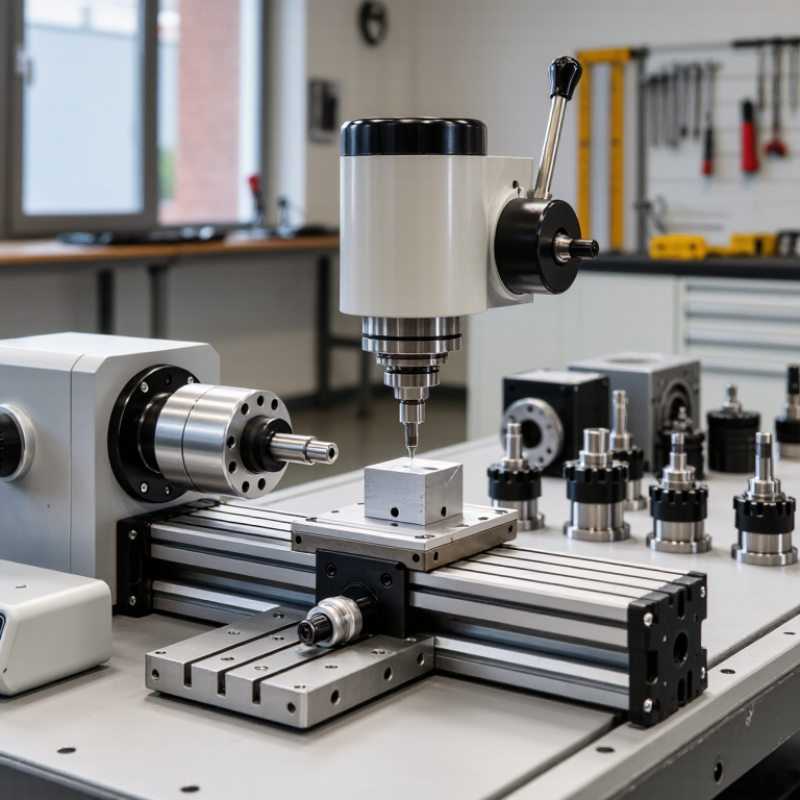
Mini mill power feeds automate table movement, reducing handwheel fatigue during long cuts. They support steadier feed rates, especially when milling slots, pockets, and shoulders. For global buyers, the “top 10” should be judged by control quality, compatibility, serviceability, and safety features, not only price.
Common types include single-axis X feeds, dual-axis X-Y systems, mechanical feeds, and electronically controlled units. Mechanical models use a motor, gearbox, clutch, and coupling. Electronic models add a control board, speed adjustment, overload protection, and limit switches. Check the table’s travel, leadscrew pitch, voltage, and mounting space before ordering. A loose coupling can create visible backlash. It feels small, but it can ruin a close-fitting slot. I have seen this overlooked.
The 2024 World Machine Tool Survey from Gardner Intelligence reported global machine-tool consumption at approximately 81.9 billion U.S. dollars in 2023. That figure covers broad equipment categories, not mini mill feeds, but it shows the scale of demand for productive motion control. ISO 230-2 provides a recognized method for checking positioning accuracy and repeatability on machine tools. Buyers should request test data where available. Noise, heat, and inconsistent low-speed motion still deserve attention. More buttons do not always mean better control. A compact feed with a reliable gearbox may outperform a sophisticated unit with weak support. This is where specifications can mislead.
Top 10 Mini Mill Power Feeds for Global Buyers
Mini Mill Power Feeds: Purpose, Types, and Key Components
This brand-neutral comparison shows common maximum feed-rate specifications for compact milling-machine power-feed configurations. Feed rates are expressed in inches per minute (IPM), a standard unit used for machine-tool feed systems. Buyers should also confirm voltage, lead-screw compatibility, mounting dimensions, overload protection, direction control, and limit-switch features before selecting a unit.
How to Evaluate Power Feeds for Global Mini Mill Buyers
When evaluating mini mill power feeds for global buyers, start with machine compatibility. Measure the table travel, lead screw diameter, mounting space, and available clearance. A feed that fits one mill may obstruct another. Check the required voltage, frequency, and plug configuration for the destination country. Do not rely on product photos alone.
Torque and speed deserve practical testing. Choose enough torque for steel cuts, but avoid excessive force that may damage the table or screw. Adjustable feed rates help operators control surface finish and tool pressure.
Examine backlash, limit switches, emergency stopping, and overload protection. Metal gears, sealed bearings, and a rigid housing usually indicate better durability.
Ask for wiring diagrams, installation dimensions, load data, and operating instructions in clear English. Documentation matters.
Service access can decide long-term value. Global buyers should confirm spare-part availability, warranty terms, customs paperwork, and technical support response times. A heavier unit is not automatically better; it may increase shipping costs and installation strain.
I have seen buyers focus on torque while overlooking mounting alignment. That mistake creates vibration and uneven cuts. Some specifications also appear impressive but lack independent testing. Treat them carefully.
A small test cut, accurate measurement, and written confirmation from the supplier can prevent an expensive mismatch. There is no perfect power feed for every workshop. Experiences differ. Recheck the details.
Installation, Operation, and Maintenance Considerations
Top 10 Mini Mill Power Feeds for Global Buyers
Installation, Operation, and Maintenance Considerations
Installing a mini mill power feed requires more than matching bolt holes. Check the table travel, leadscrew pitch, and available mounting space before ordering. Measure twice. A crowded control box can make routine adjustments uncomfortable. Global buyers should also confirm voltage, frequency, plug type, and motor compatibility with local electrical systems. A qualified technician should inspect wiring, grounding, and emergency-stop performance. I have seen small installation errors create noticeable table movement and premature wear.
During operation, set a moderate feed rate before cutting valuable material. Listen for uneven motor sounds, belt vibration, or sudden changes in table resistance. These details often reveal alignment problems early. Keep hands, loose clothing, and cutting tools away from moving parts. Use the feed’s limit switches carefully, because excessive travel can damage the leadscrew or end bearings. Operators should record useful settings for aluminum, steel, and other common materials. The record may not be perfect, but it improves repeatability.
Maintenance should include cleaning chips from the housing, checking fasteners, and inspecting cables for cuts or heat damage. Apply only the lubricant recommended by the equipment instructions. Too much grease can attract abrasive dust. Examine backlash regularly, especially after heavy cutting. Replace worn couplings before they cause erratic movement. Storage conditions also matter; moisture can corrode contacts and reduce reliability. I still recheck these points after servicing, because a quiet machine is not always a healthy machine.
Global Purchasing Factors: Voltage, Standards, Support, and Cost
Top 10 Mini Mill Power Feeds for Global Buyers
Choosing among the top ten mini mill power feeds requires more than comparing motor size. Voltage is the first practical check. Confirm 110V, 220V, or 230V compatibility before ordering. Frequency and phase also matter. A unit designed for 60Hz may perform differently on a 50Hz supply. Check the plug, fuse, mounting dimensions, and feed direction. Small mismatches can cause expensive delays.
Tips: Request the technical datasheet, wiring diagram, and test procedure before payment. Verify applicable safety standards for your market, such as recognized electrical certification or local machinery requirements. Support is equally important. Ask whether replacement gears, brushes, switches, and manuals remain available. A responsive supplier should explain installation, maintenance, and warranty limits clearly. Written answers are safer than assumptions.
Cost should include shipping, import charges, adapters, installation time, and possible returns. A cheaper feed can become costly if its mounting plate needs modification. Experienced buyers compare total landed cost, not only the listed price. Still, price is not a perfect quality signal. My first budget estimate is often too optimistic when spare parts and technician time are added. A reliable shortlist should record measured noise, speed stability, load behavior, and service response. Even then, real milling conditions may expose weaknesses that a catalog cannot show.





