What Are the Top Metal Tool Box Types in 2026?
Choosing a metal tool box in 2026 is less about finding one universal winner and more about matching storage to the work. A Metal Tools Box may sit in a home workshop, ride in a service vehicle, or travel between job sites. Each setting brings different demands. Think about the tools you carry, how often you move them, and where the box will be stored.
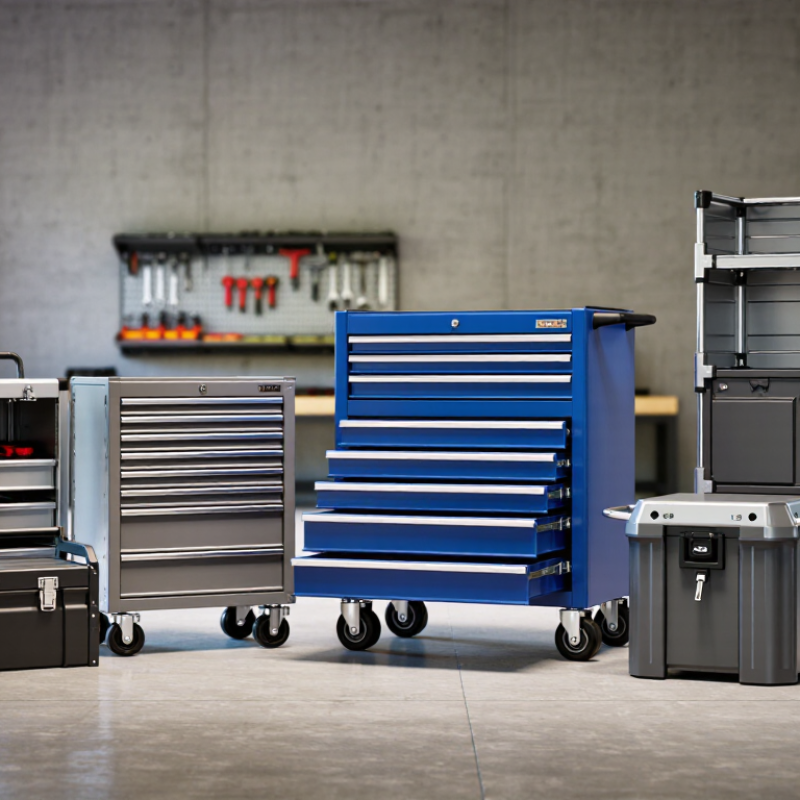
Common options include portable toolboxes, drawer chests, rolling cabinets, truck boxes, wall-mounted units, and modular systems. Portable boxes suit smaller tool sets and quick trips. Rolling cabinets keep heavier equipment organized, but wheels need smooth, reliable movement. Truck boxes make use of vehicle space; check their dimensions and mounting requirements before choosing. Wall-mounted storage frees floor space, though it depends on a suitable wall and thoughtful placement. Modular cases offer flexibility. They can also become awkward when loaded beyond what one person can comfortably carry.
Small details matter. Inspect drawer slides, hinges, handles, seams, and locking hardware. Consider steel thickness, coating, interior layout, and exposure to moisture or dust. A glossy finish alone does not prove durability. Nor does a high capacity guarantee easy access. Compare manufacturer specifications, warranty terms, and independent product reviews where available; real-world performance can vary with use and maintenance. There is no perfect type for every workshop. That is worth remembering. This guide compares the leading formats and explains which features may fit different budgets, spaces, and workloads—without treating a 2026 trend as a substitute for practical evaluation.
How Metal Tool Boxes Are Classified by Design and Use
What Are the Top Metal Tool Box Types in 2026?
How Metal Tool Boxes Are Classified by Design and Use
Metal tool boxes are best classified by how they move, open, and fit the worksite. Portable hand boxes suit small repair kits and quick carry-outs. Their handles and latches matter when a technician climbs stairs or works from a service vehicle. Cantilever boxes spread tools across linked trays, making small parts visible, though crowded trays can snag. Drawer cabinets and rolling chests keep heavier tools organized in workshops. Check drawer capacity and slide quality, not just the number of drawers. Jobsite chests prioritize lockable, weather-resistant storage for larger equipment; truck boxes fit pickup beds or service bodies and need secure mounting.
Use should guide the choice. A mobile mechanic may value shallow drawers for sockets, while a carpenter may need a wide chest for saws and levels. The U.S. Bureau of Labor Statistics reported 2.6 million nonfatal workplace injury and illness cases in private industry in 2023. That figure does not prove a toolbox prevents injuries, but it makes handling and access worth considering. Heavy boxes with awkward grips can be difficult to move. A practical check: load the box before judging it. One limitation is that “heavy-duty” labels do not describe actual load capacity; compare rated loads, steel thickness, wheel size, and corrosion protection. There is no perfect layout. Tools change, and storage plans sometimes need rethinking.
What Features Distinguish Metal Tool Boxes
What Are the Top Metal Tool Box Types in 2026?
What Features Distinguish Metal Tool Boxes
Metal tool boxes differ most in how they organize, protect, and move tools. A portable chest suits small hand tools, while a rolling cabinet handles heavier collections with less lifting. Drawer count matters, but so does drawer depth: shallow trays keep sockets visible, whereas deeper drawers fit drills and bulky accessories. Measure your largest tools before choosing. A box can look spacious and still waste room.
Construction details reveal more than a shiny finish. Thicker steel generally resists dents better, though it adds weight. Check whether corners are reinforced, drawers slide smoothly when loaded, and hinges stay aligned as the lid opens. A fitted gasket can help limit dust and moisture, but it does not make every box waterproof. Locking points, comfortable handles, and a stable base also affect daily use. Small details count.
Tips: Inspect the box with a few tools inside, not empty. Open each drawer and listen for scraping; uneven movement may signal poor alignment. Compare the box’s weight with how far you’ll carry it. A heavy-duty model is not automatically the practical choice. I’d also leave room for changing tools over time—planning every compartment perfectly can be a little optimistic.
Which Metal Tool Box Types Stand Out in 2026
Rolling cabinets remain a strong choice for fixed workshops. Their deep drawers hold sockets, torque wrenches, and heavier tools, while locking casters make repositioning practical. For smaller jobs, a portable metal chest is easier to carry between benches or vehicles. It offers less capacity, but avoids moving a whole cabinet for a few tools. Fit matters.
Service-truck boxes stand out for mobile technicians. They secure equipment during travel and keep frequently used items within reach. Modular drawer units add flexibility: technicians can separate diagnostic meters, hand tools, and fasteners into removable sections.
The International Energy Agency reported more than 17 million electric cars sold worldwide in 2024, over 20% of new-car sales. That shift may increase demand for mobile diagnostic work, though it does not make one box suitable for every technician.
A 2023 U.S. Bureau of Labor Statistics report counted 2.6 million nonfatal workplace injuries and illnesses in private industry. The figure is broad, not specific to tool storage, but it reinforces the value of keeping heavy tools stable and frequently used equipment accessible. My preference is for drawers with clear labels; still, labels can peel, and a tidy box can become cluttered by Friday. Check drawer load ratings, steel thickness, and latch quality before buying.
How Each Type Suits Different Work Environments
In 2026, the best metal toolbox depends on where work happens and how often tools move. A compact cantilever box suits repair benches and service calls, since its trays keep small parts visible. It can feel awkward when fully loaded, though. Rolling tool chests work better in garages and workshops with smooth floors. Their drawers separate heavy sockets from delicate measuring tools, but stairs quickly become a problem.
For construction sites, a reinforced steel jobsite box offers secure, weather-resistant storage for bulky equipment. Check the lid, hinges, and lock points regularly; rough handling can loosen them. Stackable metal cases suit crews that change tasks or vehicles often. They save space, but mismatched modules may shift during transport.
Tips: Match the box to the route, not just the tool list. Measure vehicle openings and storage spaces first. Keep frequently used tools near the top, and avoid overloading handles or wheels. A drawer chest is convenient until the workspace changes; that limitation is easy to overlook. Before buying, test the latch and move the empty box across the actual floor. Small details matter.
Top Metal Tool Box Types in 2026: Best Fit by Work Environment
Typical suitability ratings for common metal tool storage types across four work environments.
How to read this chart: Ratings are qualitative comparisons on a 1–5 scale, based on typical portability, organization, and jobsite-oriented design—not standardized test results or ratings for a specific product. Individual designs vary.
What to Consider When Choosing a Metal Tool Box in 2026
Choosing a metal tool box in 2026 starts with the work it must support, not its appearance. A compact portable box suits service calls and small repair kits. A chest keeps frequently used tools visible on a bench. For heavier collections, a rolling cabinet saves repeated lifting. Think about where it will sit. A narrow garage corner can make a wide drawer unit frustrating.
Check construction where stress gathers: lid hinges, drawer slides, handles, and welded corners. Smooth movement matters when drawers carry sockets or steel hand tools. A thin panel may flex under a full load, even if the empty box feels sturdy. Look for a stated load rating, then leave room below it. Capacity on paper is not the same as comfortable daily use.
Match the finish and closure to the setting. A powder-coated surface can help resist scratches, while a tight-fitting lid can reduce dust entry. In damp garages, inspect seams and avoid storing wet tools inside. Consider lock points, but do not treat a lock as protection against every risk. The awkward part is balancing weight, storage, and price. A larger box can feel like a bargain until it blocks your workspace. Measure the space, count the tools you actually use, and test the drawers if possible. No choice is perfect.





