


An LNG refueling station is more than a dispenser beside a storage tank. It is a linked system for receiving, storing, conditioning, measuring, and transferring fuel. The International Gas Union’s World LNG Report 2024 recorded 401.4 million tonnes of global LNG trade in 2023, highlighting the scale of the supply chain behind this fuel. That figure does not predict station demand, but it helps explain why reliable equipment matters.
The core LNG Refueling Station Product lineup usually includes a cryogenic storage tank, unloading connections, high-pressure pumps, a dispenser, metering equipment, and automated controls. The U.S. Department of Energy’s Alternative Fuels Data Center notes that LNG is stored at about minus 260°F. That matters. Tanks, valves, seals, and transfer lines must handle extremely low temperatures while limiting heat ingress. Depending on station design, vaporizers, pressure-building equipment, gas detection, and emergency shutoff devices may also be essential.
This article examines which products deserve attention and what each one does in daily operation. A well-sized pump can support steady dispensing; a clear meter helps track delivered fuel; practical controls make routine checks easier. But specifications alone can mislead. A station may have impressive equipment and still face poor uptime if maintenance access, spare parts, or operator training are overlooked. Product selection should therefore match vehicle demand, delivery method, site conditions, and service capability. There is no universal “top” package. The best choice is the one that performs reliably at the specific site, under real operating conditions.
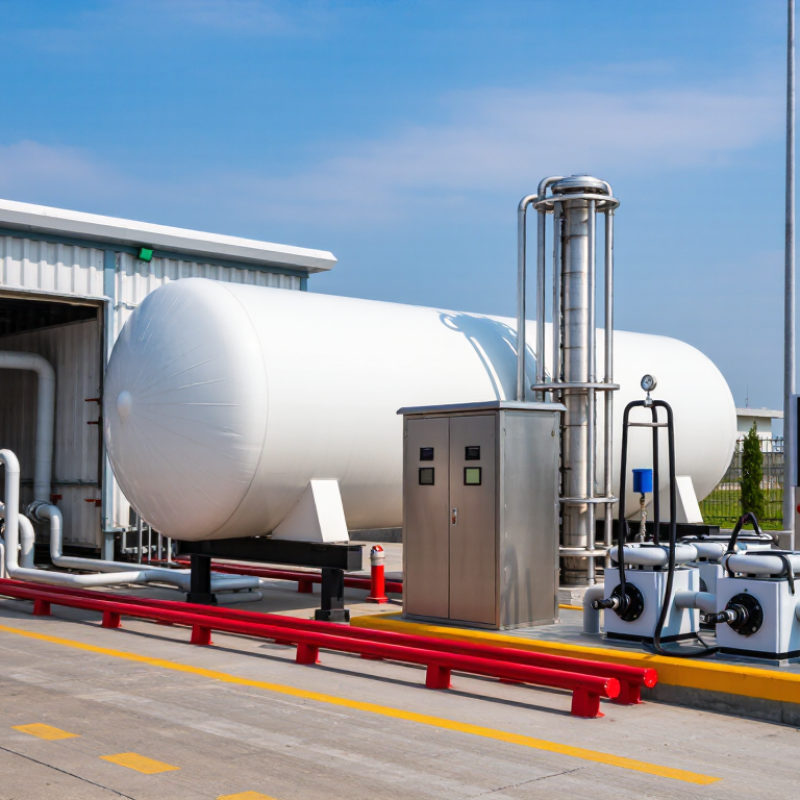
An LNG refueling station transfers liquefied natural gas into vehicle fuel tanks while keeping the fuel cold and limiting pressure changes. LNG is stored near minus 162°C, so equipment must be designed for cryogenic service. The station’s layout depends on vehicle demand, delivery access, and available space. It is not just a pump beside a tank.
Core product categories include insulated storage tanks, tanker-unloading connections, cryogenic pumps, pressure-building equipment, and dispensers. The tank may sit horizontally or vertically, depending on site conditions. Pumps move LNG through insulated piping, while valves control flow and allow sections to be isolated for maintenance. Small details matter.
Dispensers typically include a nozzle, hose, metering system, and controls for a measured transfer. Safety products may include gas and fire detectors, emergency shutoffs, pressure-relief devices, and ventilation equipment. Their placement should reflect real access routes, not only a tidy drawing. Vapor-handling equipment can also be needed to manage gas displaced during storage or filling. Product selection requires engineering review, because operating temperatures, flow rates, and vehicle connections vary. A station that looks simple from the road may have a demanding setup behind the cabinet.
| Product category | Main purpose | Typical equipment | Key operating considerations |
|---|---|---|---|
| LNG storage system | Stores liquefied natural gas at cryogenic temperature before dispensing. | Vacuum-insulated storage tank, tank supports, level and pressure instruments. | Designed for cryogenic service; tank pressure, liquid level, insulation condition, and pressure-relief protection require monitoring. |
| LNG transfer and unloading equipment | Transfers LNG from a delivery tanker or other supply source into station storage. | Cryogenic hoses or loading arms, connection points, isolation valves, and transfer piping. | Connections and procedures must control leaks and manage pressure and temperature changes during transfer. |
| LNG pump system | Moves LNG from the storage tank toward the dispenser and provides the required delivery pressure. | Cryogenic pump, motor or drive, pump vessel or sump where applicable, and associated valves. | Pump selection depends on station layout and required flow; equipment must be suitable for cryogenic liquid and protected against abnormal operating conditions. |
| Pressure-building and vaporizer equipment | Uses controlled vaporization to help maintain tank or system pressure where the station design requires it. | Ambient-air or heated vaporizer, pressure-building coil, regulators, and connecting pipework. | The arrangement is design-specific; vaporizer capacity and control settings must match the station’s operating requirements. |
| LNG dispenser and metering system | Delivers LNG to a vehicle and measures the amount dispensed. | Dispenser cabinet, cryogenic flow meter, display, delivery hose, nozzle, and breakaway coupling. | Metering, nozzle compatibility, hose condition, and safe connection and disconnection procedures are essential. |
| Boil-off gas and vent management | Manages gas formed as heat enters the cryogenic system and provides a controlled route for pressure relief where required. | Boil-off gas handling pipework, pressure-control devices, relief valves, and vent stacks or recovery equipment, as specified by the design. | Venting and recovery arrangements must follow applicable codes and the station’s approved safety design. |
| Cryogenic piping, valves, and fittings | Connects storage, pumps, vaporizers, and dispensers while controlling LNG and gas flow. | Cryogenic-rated pipework, isolation and control valves, strainers, joints, and supports. | Materials and components must be suitable for cryogenic temperatures; layout should accommodate thermal contraction and allow safe isolation. |
| Instrumentation and station controls | Monitors operating conditions and coordinates equipment functions and alarms. | Pressure and temperature transmitters, level gauges, gas detectors, alarms, and control panels. | Instrument selection, alarm limits, and control logic should be established through the station’s engineering and safety assessment. |
| Safety and emergency systems | Detects hazards and helps operators isolate or shut down equipment during an abnormal event. | Emergency shutdown controls, gas and fire detection, pressure-relief devices, warning signs, and fire protection provisions. | System coverage and equipment requirements depend on site design and applicable regulations; inspection and functional testing are important. |

LNG storage tanks are the heart of a refueling station. Most use a double-wall vessel with vacuum insulation to slow heat entering the liquid. The inner tank holds cryogenic LNG, while the outer shell protects the insulation space. Level, pressure, and temperature instruments help operators track changing conditions during storage and dispensing. Small details matter. A poorly placed sensor or hard-to-reach valve can complicate routine checks. Tank capacity should match expected vehicle demand, delivery schedules, and available site space, rather than simply being as large as possible.
Cryogenic transfer equipment moves LNG between the storage tank and dispenser. Depending on the station design, this can include insulated piping, transfer pumps, valves, and flexible filling hoses. Each connection needs to tolerate low temperatures and repeated use; ordinary components may become brittle in cryogenic service. Leaks are costly. Regular inspection can reveal worn seals, frost patterns, damaged insulation, or unusual pressure changes before they disrupt operations. Procedures and equipment layouts also matter: operators need clear access to shutoff controls and room to connect hoses without strain. No design is perfect, and maintenance access is sometimes treated as an afterthought. That is worth reconsidering when selecting tanks and transfer equipment.
LNG refueling stations depend on three linked products: dispensers, cryogenic pumps, and vehicle connection systems. Dispensers meter fuel and display delivery data, while insulated pumps move LNG at very low temperatures. Vacuum-jacketed lines help limit heat gain and reduce unwanted vapor formation. A clear display is useful, but reliable temperature and pressure monitoring matters more when conditions change. Small details matter.
Vehicle connections need compatible nozzles, seals, and breakaway couplings that can separate safely if a vehicle moves unexpectedly. ISO 12617 specifies requirements for LNG vehicle refueling connectors, offering engineers a defined interface to check during equipment selection. The GIIGNL 2024 Annual Report recorded 401.4 million tonnes of global LNG trade in 2023. That scale underscores why repeatable, well-maintained dispensing equipment matters across the supply chain, even though station performance still depends on local design and operating conditions. No layout is perfect; access for inspection is sometimes underestimated.
Tips: Confirm connector compatibility before installation. Inspect seals and couplings regularly, and train operators to watch for frost, leaks, and abnormal pressure readings. Keep maintenance records specific; vague notes help nobody.
At an LNG refueling station, safety depends on products working together, not on one impressive control panel. Gas detectors should cover likely leak points, including transfer couplings, pump seals, and enclosed equipment areas. Fire detectors, emergency-stop stations, and fail-safe shutoff valves help operators respond quickly when conditions change. Pressure and temperature instruments also matter: a small reading shift can signal an abnormal transfer or developing equipment fault. GIIGNL’s 2024 Annual Report records 401.4 million tonnes of global LNG trade in 2023. That scale makes consistent monitoring and clear operating procedures essential across the supply chain.
A station’s control system should show alarms clearly and support actions operators can verify, such as isolating a line or stopping a pump. Independent gas detection and routine proof-testing are valuable; sensors can drift, and a screen can look reassuring while a field device is failing. Small details matter. The IEA’s Global Methane Tracker 2024 estimates that fossil fuel operations emitted close to 120 million tonnes of methane in 2023. That figure covers the wider sector, not refueling stations alone, but it underlines why leak detection deserves serious attention. One question remains easy to overlook: are alarm thresholds, detector locations, and emergency responses tested under realistic site conditions?
An LNG refueling station works as a connected system, not a collection of isolated products. Storage tanks hold the fuel at very low temperatures, while insulated piping carries it toward the dispenser. Depending on station design, a pump helps move LNG at the pressure needed for the vehicle. The dispenser measures the amount delivered and displays operating information. Each part has a specific job.
At the vehicle, the operator checks the connection points and attaches the insulated hose and vapor-return line, when the system uses one. The dispenser and vehicle connections must seal correctly before fuel flows. Controls monitor conditions during transfer and stop delivery if a fault is detected. A breakaway coupling can limit damage if a vehicle moves while connected. Small details matter. A stiff hose or an unclear display can slow a routine stop, and I think stations sometimes underestimate that human factor. After refueling, the operator closes the valves and disconnects the lines according to the site procedure. Equipment layouts vary, so staff training should match the actual station—not just a generic diagram.


For those larger-sized parts, or smaller quantity runs, we have 2 independent powder coat booths and ovens. The quality, durability and affordability of today’s powder coating finishes make this the process of choice for world-class companies.
Powder coating advantages over other forms of coating are many. Materials used in the Powder coating process can be metals and non-metals that come in a multitude of thicknesses, textures, colors, etc. Another of Powder coating’s biggest advantages over conventional coatings is its ability to create finishes in many different textures. Powder Coating Booths allow us the ability to apply these advantages to large products.
Tri-State Fabricators runs a full-service conveyor line for painting. Wet painting can provide protection or decoration to many different part styles. From start to finish, every project is easier to undergo random and point-based inspection by our skilled painting team.
Advantages to our Wet Paint Line are these lines start with product prep and ends with a thorough inspection of a high quality finished product. Our ability to complete large and small projects with a superior finish and doing so in a timely and economical fashion. This passes along the savings in production to our customers. When powder coating ins not an option, our Wet Paint Line gets the job done right the first time.
When the parts get big and heavy we roll-out our custom paint racks and oversize booth. By utilizing our partnerships with all the major paint brands, we can match virtually any color with wet paint.
The advantages of having access to a Wet Paint Booth are many. Large projects of many different shapes can be loaded into the booth. The Wet Paint Booth offers an environment that is much more controlled than a typical parts painting operation.
Not only are they used because of their controlled environment, but they’re are also advantageous when it comes to applying paint to parts that are needed in industries that require specialty coatings such as medical, aerospace, etc.
Our military forces have some very high standards when it comes to the finish of their vehicles and equipment. From the first pre-treatment step to final coat, it takes a great deal of knowledge and experience to protect the men and women of our armed forces. They deserve only the best, and Tri-State Fabricators provides it.
All of our processes are closely monitored by our staff and management teams. Both of which are highly trained in the processes of metal fabrication and finishing. Tri-State Fabricators’ goal is to always fully satisfy each and every customer, including the military. We will always put a 110% into what we do.
Abrasive media blasting is an excellent way to remove old paint, rust, and increase the paint/powder adhesion. Glass beads produce a much smoother and brighter finish than angular abrasives; leaving the part clean yet without any dimensional change. Chemically inert and environmentally friendly, we can recycle our beads approximately 30 times; making them a more preferred method of metal cleaning or surface finishing.
Advantages to Glass Bead Blasting are many. Glass bead blast media is used when a project is needing rough surfaces need to become smooth for applications of coatings such as paint. It is typically used to clean paint and rust from a product surface without deforming the surface it is being used on. Overall, compared to many other blasting media, Glass Bead Blasting is a very economical choice and those savings are always passed on to our customers.
Tri-State Fabricators utilize a zinc phosphate wash to clean and etch the material to ensure the best paint adhesion possible. The unique design of our 3-stage wash system does the work like a 5-stage. From Cleaning and rinsing to conversion coating and post-treatment, Our Part Washing process is a complete service and works throughout the fabrication service and the finishing service.
Along with the previously mentioned benefits, Curing is a vital chemical reaction that leaves the product finish hard and relatively safe from mild abrasion and aggressive corrosion. This process can be done in more than one way; ambient air-dry or in curing ovens at temps that exceed 240°.
From fixing paint mistakes (someone else’s of course) to simply cleaning our paint line hooks, our burn-off oven is put to good use. After a quick burn-off, a little clean up, and a fresh coat of paint, your parts will look better than new.
Why does our Burn-Off Oven work so well? Because super heating the air around parts turns the materials into ashes. From paint and powder coatings to rubber and machining oils, high temps do the job without degrading the integrity of the part.
Masking is a vital part of producing high quality products. We have die-cut masking patterns to protect machined surfaces as well as a wide range of plugs and caps to protect threaded holes and bolts. We provide permanent and temporary masking.
Masking allows the selected sections of a product to be protected from a fabrication or finishing service. This can be with both chemicals when etching and tapes, paints when only finishing just a section of the product. Masking is great in aiding the customization process of a project.
Screen printing is a photographic process that transfers artwork onto a porous nylon screen which allows colored ink to flow through the screen and be deposited on an aluminum or plastic component. We can generally have just about any design created onto a screen for your parts.
Some of the advantages of Screen Printing are, brand recognition for your business displaying on your products, assembly instructions, product warnings/hazards, etc. Tri-State Fabricators produces Screen Printing of the highest quality so you know it’s durable.
Metal Finishing is the art of treating the exterior portion of product, often metal but can also be made of other materials, so that the surface is clean and free of any debris. Then the process of applying coats or either paint of powder coat takes place. This coating process improves the quality of the product in both appearance and resistance to wear and corrosion.
Tri-State Fabricators, Inc., understands that a project typically isn’t complete until a high-quality finish has been added to your product. This is why our painting and powder coating teams continuously inspect the products throughout the Metal Finishing process.

