Top 10 Layer Poultry Cages for Optimal Egg Production?
layer poultry cages play a crucial role in modern egg production. According to the Food and Agriculture Organization (FAO), the global egg production in 2021 reached over 76 million metric tons. Efficient poultry housing is vital for maximizing this output. Layer poultry cages, designed for optimal space utilization and bird comfort, have become increasingly popular among farmers.
These cages ensure that hens have access to adequate space, ventilation, and lighting. Research indicates that well-designed layer poultry cages can increase egg yield by up to 25%. However, managing these systems can be challenging. Farmers often face issues like high initial costs and maintenance complexities. They must balance efficiency with animal welfare considerations, reflecting on how best to improve their practices.
As the demand for eggs continues to rise, so does the need for innovative solutions. Layer poultry cages offer one path forward, but they are not without their drawbacks. It’s essential for producers to critically assess their cage systems, ensuring they meet both production goals and animal welfare standards. The following list will explore the top 10 layer poultry cages that promise to boost egg production while addressing these industry challenges.
Benefits of Layer Poultry Cages for Efficient Egg Production
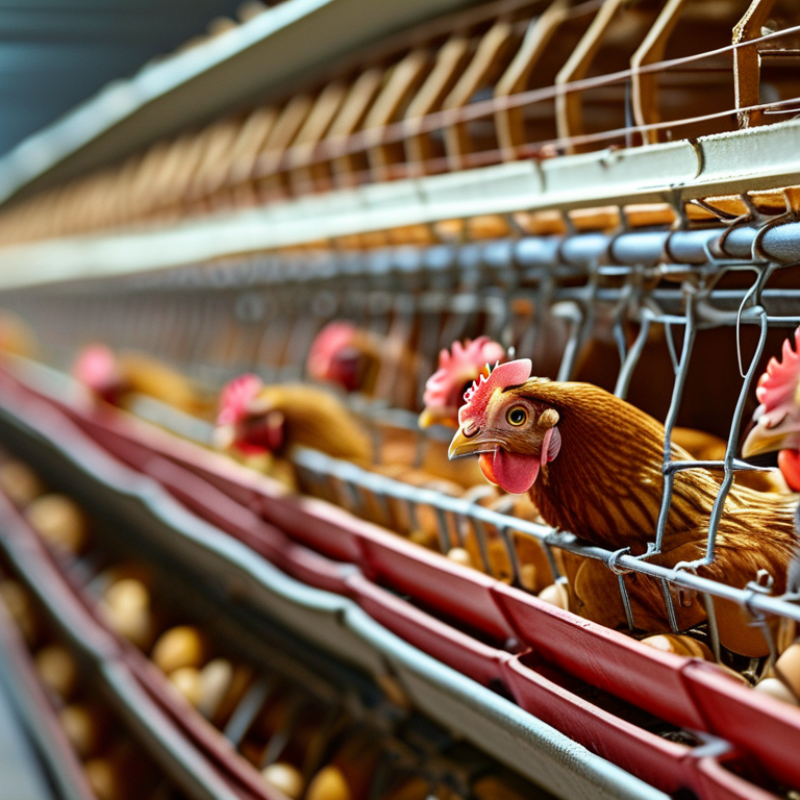
Layer poultry cages have become essential in modern egg production. They maximize space and enhance efficiency. These cages provide a structured environment for hens, leading to increased egg yield. The design allows for proper ventilation, reducing stress on the birds. Stress-free hens generally produce more eggs consistently.
Another significant advantage is the ease of management. Layer cages simplify feeding and cleaning processes. This can save time and labor costs. However, poor cage design can lead to overcrowding and health issues. It’s crucial to balance efficiency with animal welfare. Regular inspections are essential to ensure hens are healthy and comfortable.
Optimal conditions in layer cages lead to better egg quality as well. Fresh bedding, adequate lighting, and proper nutrition are vital. These factors influence both the quantity and quality of eggs produced. Observing and adjusting these elements can enhance overall production. Yet, finding the right balance can be challenging. Continuous learning and adapting practices improve results.
Key Features to Consider When Choosing Layer Poultry Cages
When selecting layer poultry cages for optimal egg production, key features play a vital role. The cage design impacts airflow and comfort. Advanced ventilation systems improve hen welfare, increasing laying rates. Research indicates that improved comfort can boost egg production by up to 15%.
Furthermore, consider the cage material. Galvanized steel offers durability. A resilient structure ensures long-term use, minimizing replacements.
Space per bird is crucial. Industry standards suggest providing at least 70 square inches per hen. Overcrowding leads to stress and reduced egg output. A well-designed cage with adequate space reduces aggression and promotes natural behavior. It can encourage better laying habits.
Tips: Assess the cleaning process. Cages with easy-access designs simplify sanitation. Regular cleaning prevents disease outbreaks, essential for maintaining productivity.
Also, consider the cage's egg collection system. Automated systems reduce labor costs and enhance efficiency in collection, ensuring freshness. Optimal layers deserve thoughtful cage design to thrive.
Top 10 Recommended Layer Poultry Cages for Maximum Yield
Layer poultry cages play a crucial role in maximizing egg production. According to industry reports, proper housing can enhance egg yield by up to 20%. Efficiency is vital. Well-designed cages maximize space and reduce stress on the birds. The right ventilation and lighting can further improve egg-laying rates, as hens thrive in well-regulated environments.
Consider the layout of your cages. Multi-tier systems are popular for their ability to utilize vertical space effectively. This design can lead to higher density populations without sacrificing animal welfare. However, overcrowding can become a concern. It is essential to strike a balance to ensure each bird has adequate space to move.
Research indicates that managing feed quality and water availability in conjunction with cage design can lead to a 15% increase in production. Farmers often overlook the importance of biosecurity in these systems. Implementing strict hygiene practices can prevent disease outbreaks, which can drastically affect egg production. Regular assessments and adjustments are necessary for optimal performance.
Top 10 Layer Poultry Cages for Optimal Egg Production
Comparative Analysis of Different Types of Layer Poultry Cages
When selecting layer poultry cages, understanding their different designs is crucial for egg production. Various cage systems offer unique benefits. For instance, traditional battery cages are compact and can maximize bird density. However, they may not provide the best living conditions for hens. On the other hand, enriched cages allow for some enrichment activities, promoting natural behaviors.
Another option includes free-range systems. These cages offer more space and outdoor access, supporting better welfare. Birds in free-range systems often exhibit improved health and productivity. Yet, these systems pose challenges, such as higher management needs and potential predator threats. Each type of cage has trade-offs that farmers must weigh carefully.
Choosing the right type of cage involves considering space, welfare, and egg output. Some farmers might focus solely on production rates, neglecting bird comfort. This could lead to stress and lower egg quality. Balancing efficiency with animal welfare is key. Experimenting with various systems can help determine what works best for specific conditions and goals.
Maintenance and Care Tips for Optimal Cage Performance
Proper maintenance of layer poultry cages is crucial for optimal egg production. Cleanliness plays a vital role in the overall health of your flock. Regular cleaning can reduce the risk of diseases that affect egg laying. According to the American Poultry Association, poor hygiene in cages can lead to a 30% decrease in egg output.
When caring for layer cages, consider the bedding used. Good bedding absorbs moisture and minimizes ammonia odors. This contributes to a healthier environment. It is important to replace bedding regularly, as dirty conditions can stress the hens. Stressed hens tend to lay fewer eggs.
Tip: Ensure your cages have proper ventilation. Insufficient airflow can lead to increased humidity levels and heat stress, which negatively impacts laying rates. Also, monitor the hens’ diet. A balanced feed that meets their nutritional needs is essential for optimal egg production. A study from the Poultry Science Association highlights that well-fed hens can produce 5-10% more eggs than poorly nourished ones.
Lastly, regularly inspect cages for wear and tear. Signs of deterioration can affect the comfort of the hens. Addressing these issues promptly can enhance performance. Keep in mind, the productivity of your flock is closely linked to how well you maintain their living environment.
Top 10 Layer Poultry Cages for Optimal Egg Production
| Cage Model | Capacity (Birds) | Materials | Egg Production (per hen/day) | Maintenance Tips |
| Model A | 300 | Galvanized Steel | 0.9 Eggs | Regular Cleaning |
| Model B | 500 | Polypropylene | 0.95 Eggs | Inspect for Damage |
| Model C | 600 | Stainless Steel | 1 Egg | Lubricate Moving Parts |
| Model D | 400 | Plastic Coated | 0.88 Eggs | Check for Cleanliness |
| Model E | 350 | Welded Wire | 0.8 Eggs | Ensure Adequate Ventilation |
| Model F | 700 | Metal Frame | 0.92 Eggs | Replace Worn Parts |
| Model G | 250 | Fiberglass | 0.85 Eggs | Monthly Inspections |
| Model H | 800 | Aluminum | 0.97 Eggs | Maintain Clean Feeders |
| Model I | 600 | Steel Frame | 0.90 Eggs | Monitor Health Daily |
| Model J | 550 | PVC Coated | 0.83 Eggs | Check Water Supply Regularly |





