Top 10 Laser Reflectors for Your Global Sourcing Needs?
In today’s fast-paced manufacturing landscape, selecting the right components is crucial. Laser Reflectors play a significant role in various applications, from industrial settings to precise scientific experiments. However, not all reflectors are created equal. It’s essential to choose the right type that meets your specific needs.
When sourcing laser reflectors, quality and reliability should be your top priorities. Poorly made reflectors can lead to inaccurate measurements and disappointing performance. Trustworthy manufacturers focus on innovation and proven materials, ensuring consistent results. But, it can be challenging to identify the best options from a wide range of products.
In this article, we will explore the top 10 laser reflectors that address diverse global sourcing needs. We’ll provide insights into their features, applications, and reliability. You’ll learn about both popular choices and lesser-known gems in the market. Finding the right laser reflectors can be an overwhelming task, but with the right information, you can make informed decisions. Let’s dive into the world of laser reflectors.
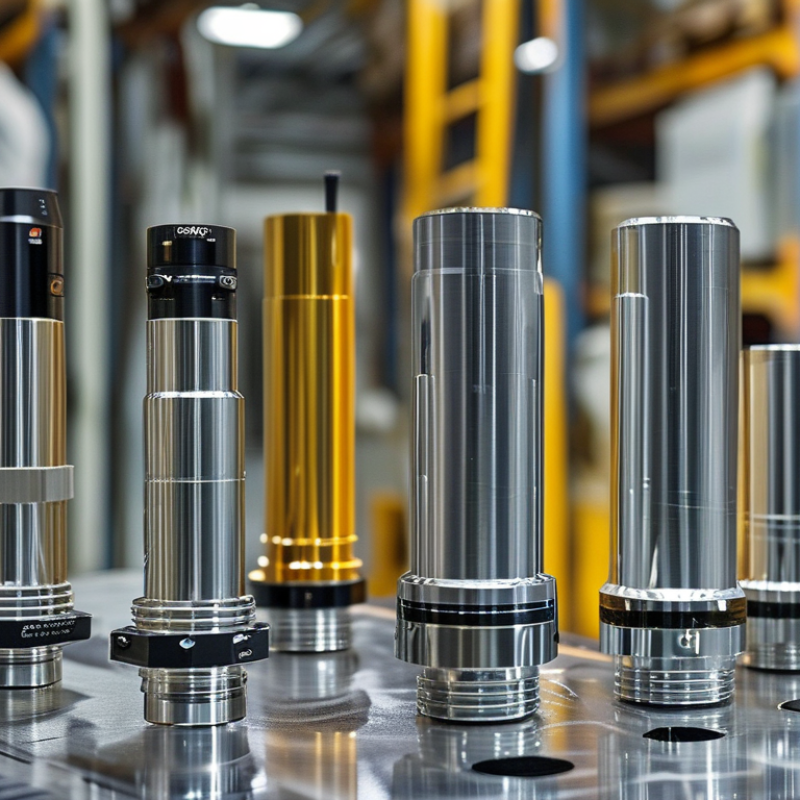
Top 10 Laser Reflectors: Understanding Their Applications in Various Industries
Laser reflectors play a crucial role in various industries, from manufacturing to telecommunications. Their primary function is to redirect light accurately, ensuring precision in applications. In construction, for instance, laser reflectors help achieve accurate measurements. Workers use them to ensure structures are built to exact specifications. This precision is vital, as small miscalculations can lead to costly errors.
In the field of telecommunications, laser reflectors enhance signal transmission. They help direct laser beams through fiber optic systems, improving data transfer rates. This efficiency is essential in maintaining robust communication networks. Think about the implications—faster internet means better connectivity. However, the choice of materials used in reflectors can affect performance. It’s crucial to evaluate these choices carefully.
The automotive sector also benefits from advanced laser reflectors. They are used in safety systems, helping to detect obstacles. This technology can make vehicles safer. Yet, reliance on these systems raises concerns. What if the reflectors malfunction? Regular maintenance and testing are necessary. Companies must plan for these potential issues to ensure reliability in high-stakes environments.
Key Features to Look for in High-Quality Laser Reflectors
When selecting high-quality laser reflectors, several key features should be considered. First, material durability is crucial. Laser reflectors should be made from robust materials that can withstand environmental factors. Look for reflectors with strong resistance to wear and tear. This ensures longevity, especially in challenging conditions.
Reflective efficiency is another vital factor. The best laser reflectors must have high reflectivity to enhance performance. An efficient reflector minimizes light loss and maximizes energy use in applications. You may also want to assess the wavelength compatibility. Different applications require different wavelengths, so ensure the reflector meets your specific requirements.
Consider the design and size of the reflectors too. Compact and lightweight reflectors are easier to install and handle. However, sometimes a larger size can be beneficial for certain setups. Also, evaluate the coating quality. High-grade coatings improve reflectivity but can be more expensive. Finding a balance between cost and quality is necessary.
Industry Standards and Certifications for Laser Reflectors
When sourcing laser reflectors, industry standards and certifications play a crucial role. Many applications require reflectors to meet specific quality benchmarks. The International Organization for Standardization (ISO) provides essential guidelines, especially ISO 9001, which ensures consistent quality management systems. Reports show that about 70% of manufacturers prioritize ISO certification when selecting suppliers.
Laser reflectors must also comply with safety regulations, like those set by the American National Standards Institute (ANSI). Reflectors should pass tests that ensure they can withstand environmental stress. A recent study indicated that products lacking these certifications often result in safety incidents, leading to potential financial losses. This reinforces the need for rigorous compliance.
Tips: Always verify the certifications of providers. Consider their track record in meeting standards. Regularly review safety documentation too, as it impacts your operational efficiency.
Understanding these standards enhances supplier selection. However, not all reflectors labeled as compliant perform equally. It’s essential to assess actual performance metrics rather than relying solely on certifications. Some reflectors may meet certification but fail in practical applications.
Impact of Laser Reflector Material on Performance and Durability
Laser reflectors are crucial in various applications, impacting both performance and durability. The material used in these reflectors greatly influences their efficiency. For instance, reflectors made from high-grade aluminum offer excellent light reflectance but may corrode in harsh environments. On the other hand, plastic-based reflectors are lightweight and resistant but may have lower reflectance.
Tips: Always choose materials based on the specific use case. A durable reflector can withstand environmental conditions better.
When selecting the right laser reflector, consider its intended environment. Reflectors used outdoors must resist UV rays and moisture. In contrast, those for indoor use may not require such robust characteristics. Overlooking these factors can lead to early failures and increased costs.
Tips: Opt for a reflector with certifications for durability. Look for materials proven in real-world applications to ensure reliability.
Top 10 Laser Reflectors for Your Global Sourcing Needs
| Reflector Type | Material | Reflectivity (%) | Durability Rating | Cost (per unit) | Applications |
| Standard Mirror Reflector | Aluminum | 90 | High | $25 | Industrial, Surveying |
| Corner Cube Reflector | Glass | 92 | Very High | $30 | Geodesy, Lidar |
| Prism Reflector | Plastic | 85 | Medium | $20 | Surveillance, Mapping |
| Retroreflector | Ceramic | 89 | High | $35 | Road Safety, Guidance |
| Enhanced Reflector | Silver Coating | 95 | Very High | $40 | Precision Measurement |
| Micro-Reflector | Silicon | 98 | Exceptional | $50 | Telecommunications, Robotics |
| High-Contrast Reflector | Titanium | 94 | Very High | $45 | Optical Devices, Research |
| Nano-Reflector | Composite | 97 | Exceptional | $60 | Biotechnology, Aerospace |
| Temperature Resistant Reflector | High-Temp Glass | 88 | High | $38 | Astronomy, High-Temp Labs |
| UV Reflector | Quartz | 91 | Medium | $42 | Medical, UV Curing |
Market Trends and Growth Projections in the Laser Reflector Sector
The laser reflector sector is witnessing significant growth, driven by advancements in technology and increasing demand. According to market research, the global laser reflector market is expected to reach USD 1.5 billion by 2026, growing at a CAGR of 7.5% from 2021. This growth is largely fueled by sectors such as automotive and aerospace, where precision in optical components is paramount. The rise in laser-based applications has heightened the need for high-performance reflectors.
Furthermore, the trend towards miniaturization in electronics has influenced product designs. Compact laser reflectors are more in demand for integration into smaller devices. This shift poses challenges for manufacturers focused on scalability while maintaining quality. As players in the industry adapt to these requirements, innovation becomes crucial. Manufacturers must examine their production processes to enhance efficiency and minimize waste, reflecting a more sustainable approach.
Recent surveys indicate that companies are prioritizing custom solutions. About 64% of manufacturers are investing in R&D to meet specific client needs. However, it raises questions about the feasibility of maintaining affordable prices. The industry needs to balance customization with cost efficiency. Balancing these priorities is essential but can also lead to complexities in production and delivery timelines. It's a landscape filled with both opportunities and hurdles.





