Best Hydrophobic Vent Suppliers in 2026
Water, dust, and pressure changes can challenge even a well-designed enclosure. A Hydrophobic Vent helps release trapped air while resisting liquid water, supporting more stable performance in equipment exposed to rain, washdown, or changing temperatures. The right choice depends on the application, not just a product label.
This 2026 supplier guide compares manufacturers and distributors through practical criteria: water-entry performance, airflow, membrane material, mounting style, and documented test methods. It also considers lead times, customization, technical support, and the clarity of product specifications. These details matter when a vent must fit a specific housing, maintain pressure balance, and keep working through repeated environmental exposure.
Look closely at the datasheet. Confirm that test conditions match the intended use, and check whether performance data applies to the complete vent or only its membrane. A polished datasheet is not proof. Ask suppliers about adhesive compatibility, operating temperature, and installation guidance before making a selection. Small differences can matter.
Supplier claims still need context. Test results may not predict every field condition, and installation errors can undermine a suitable component. No shortlist is perfect. The comparisons ahead are intended to help engineers, product teams, and buyers identify credible options, ask sharper questions, and verify that a vent suits their enclosure and operating environment. Decisions should rest on current documentation and application-specific review, not ranking alone.
Understanding Hydrophobic Vents and Their Industrial Uses
Best Hydrophobic Vent Suppliers in 2026
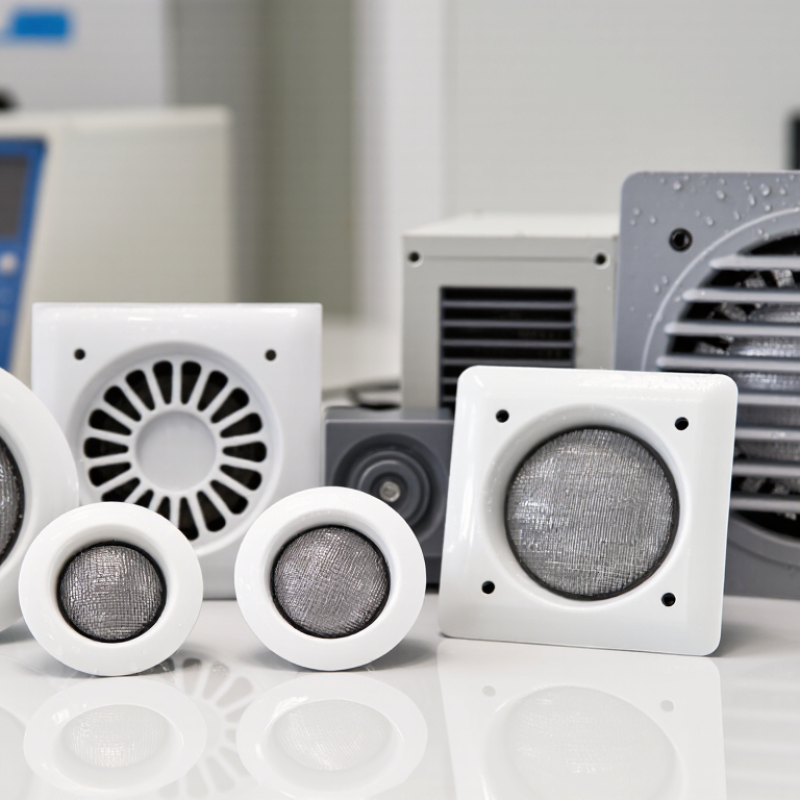
Hydrophobic vents use water-repelling porous membranes to let air move while resisting liquid water. Many use expanded PTFE, though designs and materials vary. In a sealed outdoor enclosure, a vent can help balance pressure as temperatures shift from cool nights to hot afternoons. That reduces stress on seals and helps limit moisture drawn through gaps. Small component, practical job.
These vents appear in sensor housings, LED fixtures, automotive electronics, and industrial control cabinets. Some protect battery enclosures or gearboxes, where pressure changes and splash exposure are concerns. Hydrophobic does not mean waterproof under every condition. Water-entry pressure, airflow, pore structure, and mounting all matter. Oil and cleaning chemicals may also affect performance. They are not magic.
When comparing suppliers, ask for test data that matches the intended exposure, not just a headline rating. Check operating temperature, chemical compatibility, airflow, and how the vent attaches to the enclosure. A vent installed over a rough, dirty surface may leak around its edge. That detail is easy to miss. Field experience also matters: request clear installation guidance and ask how performance is verified. No single specification captures every real-world condition, so testing a sample in the actual assembly is often sensible.
How Hydrophobic Vent Performance Is Evaluated
Hydrophobic vent performance is not captured by a single number. Compare water-entry pressure and airflow under clearly stated test conditions. Water-entry pressure indicates how much liquid pressure a membrane withstands before water passes through. Airflow testing shows whether pressure can equalize quickly enough for the intended enclosure. Both results can shift with temperature, sample area, and fixture design.
A practical evaluation uses a controlled pressure ramp, clean water, and documented sample sizes. Record the pressure at the first sign of water penetration, not only the final reading. Then measure airflow across a stated pressure difference. Test several samples; one strong result can hide uneven membrane structure or a poor seal. Small details matter.
Testing should reflect actual service conditions. Heat, humidity, dust, and cleaning fluids may affect water resistance or restrict airflow. Repeat measurements after suitable exposure, then inspect the vent edge and bond. A membrane can perform well by itself and fail after installation. Not every test agrees. Fixture differences and sample preparation can change results, so suppliers should explain their methods and provide traceable data. If the intended environment is unclear, the evaluation remains incomplete.
Best Hydrophobic Vent Suppliers in 2026
How Hydrophobic Vent Performance Is Evaluated
Evaluation typically considers water-entry pressure, airflow, water-vapor transmission, chemical compatibility, and particle protection. Scores show illustrative evaluation priorities on a 1–5 scale; they are not supplier test results. Compare products using test methods and conditions suited to the intended application.
Leading Hydrophobic Vent Suppliers in 2026
Leading Hydrophobic Vent Suppliers in 2026
Leading hydrophobic vent suppliers should offer more than a membrane with a low surface energy. Buyers need clear data on airflow, water-entry pressure, pore structure, and performance after heat, dust, and vibration exposure. Ask for test conditions, not just headline values. A result without its method is hard to compare.
MarketsandMarkets’ 2023 membrane filtration market report estimated the sector at USD 17.6 billion and projected USD 28.9 billion by 2028. This broad market includes many applications; it is not a hydrophobic-vent forecast. Still, it signals growing attention to membrane performance. Suppliers serving electronics, automotive, and outdoor equipment should explain how vent designs balance pressure equalization with liquid-water resistance. Small details matter. A neat specification sheet can still miss the effects of assembly pressure or long-term aging, and I would treat that gap as a reason to ask more questions.
Tips
Request sample parts and repeatable test data under your own operating conditions. Compare airflow after exposure, not only on day one. Check whether adhesive, housing geometry, or installation changes the result. If a supplier cannot share a clear test method, pause before approving the design.
Comparing Supplier Products, Certifications, and Support
When comparing hydrophobic vent suppliers in 2026, look beyond advertised water resistance. A vent may use an ePTFE membrane, but pore structure, exposed area, and housing design affect airflow and protection. Details matter. Check the specified air-flow rate, water-entry pressure, operating temperature, and chemical compatibility. Then match them to the enclosure’s actual conditions, such as pressure cycling, washdown, or outdoor exposure. A neat datasheet can still leave unanswered questions.
Certifications and test reports help show how a product was evaluated. Ask which standards apply to your application, and request current documentation with test conditions and sample details. Do not treat a quality-system certificate as proof that every vent model meets your performance needs. Ask for lot traceability, change-notification practices, and clear material specifications. A missing test detail may be an honest gap, but it deserves follow-up.
Support matters after selection, too. Useful suppliers can explain mounting choices, gasket compression, adhesive limits, and installation orientation. Ask whether they provide samples, application reviews, and realistic lead-time updates. For a vent fitted to a small electronics enclosure, even a slight placement change can affect moisture paths or pressure equalization. Ask for proof. Compare how clearly each supplier answers the same technical questions, not only how polished its catalog looks. Some decisions remain uncertain until prototypes face real operating conditions. That is worth acknowledging.
Choosing the Right Supplier for Your Application
Choosing a hydrophobic vent supplier starts with the conditions your product will face. Consider rain exposure, pressure changes, temperature swings, dust, and cleaning chemicals. A vent that performs well on a dry bench may behave differently inside a warm enclosure.
Ask for airflow and water-entry-pressure data, along with the test methods used to produce them. Check whether the membrane, adhesive, and housing suit your materials and operating temperatures. “Waterproof” alone is not enough. Details matter. A reliable supplier should explain production controls and provide consistent specifications, not just a polished data sheet.
Request samples that match the intended vent size and mounting method. Fit one to a real enclosure, then test it after thermal cycling or splash exposure. Test it first. Ask how the supplier handles batch traceability and changes to materials or processes. For outdoor electronics, confirm that the vent can release pressure without letting water reach sensitive components. Small installation differences, such as an uneven surface or blocked opening, can affect performance. A tidy specification sheet can still leave gaps; ask questions, and record the answers before selecting a supplier.





