Top Hexagon Head Bolt Types for Global Buyers in 2026?
In the fast-evolving landscape of manufacturing, Hexagon head bolts are crucial components. They offer essential fastening solutions across various industries, including automotive and construction. As global demand increases, understanding the different types of hexagon head bolts becomes imperative for buyers in 2026.
Hexagon head bolts are favored for their strength and durability. They provide a firm grip, making them suitable for high-stress applications. However, choosing the right type can be challenging. Buyers must consider factors like material and finish. These elements impact performance and longevity. Many overlook these details, leading to potential issues over time.
In a world where quality matters, making informed decisions is vital. Knowledge about hexagon head bolt specifications can prevent costly mistakes. Recognizing the nuances of various types helps in selecting reliable fasteners. This understanding enhances product safety and operational efficiency, reflecting a commitment to high standards in manufacturing.
Types of Hexagon Head Bolts: An Overview for 2026
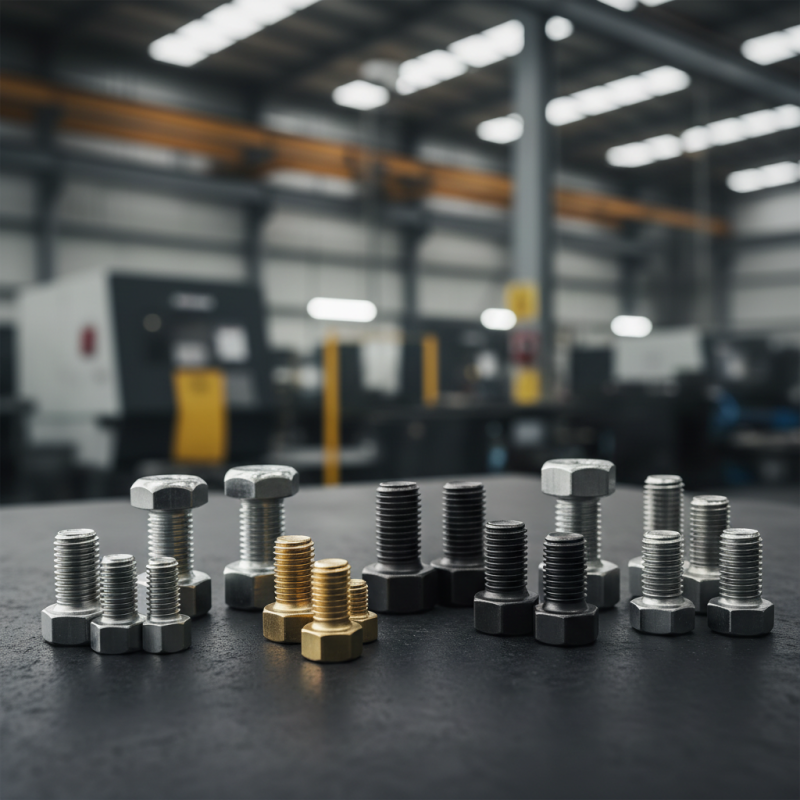
Hexagon head bolts are crucial in various industries. They provide strength and security for mechanical connections. In 2026, buyers will encounter several types of hexagon head bolts, each with distinct features. Steel bolts are common for their durability. They're often used in construction and automotive applications. Meanwhile, stainless steel offers corrosion resistance, making it suitable for harsh environments.
Before purchasing, consider the material and size needed. Metric and imperial sizes exist. Additionally, the grade of steel impacts load-bearing capacity. Higher grade bolts offer better performance but may cost more. There’s often confusion about which type to choose, and buyers should evaluate their specific needs carefully.
Some may overlook bolt specifications. This can lead to mismatches in applications. For instance, using a lower grade bolt in a high-stress environment could result in failures. Buyers should seek guidance based on their projects. Knowledge of load rating and environmental factors is essential. Making informed choices can ensure safety and efficiency.
Material Composition: Common Materials Used in Hexagon Head Bolts
Hexagon head bolts are vital fasteners in numerous engineering applications. Understanding their material composition is crucial for manufacturing and assembly. Common materials include carbon steel, stainless steel, and alloy steel. According to a recent industry report by MarketsandMarkets, carbon steel dominates the market due to its strong mechanical properties and cost-effectiveness.
Stainless steel offers superior corrosion resistance, making it ideal for harsh environments. It represents about 25% of the hexagon head bolt market by material type. Interestingly, the adoption of alloy steels is rising, as these materials enhance the strength of fasteners without significantly increasing weight. In industries such as automotive and aerospace, this can lead to more efficient designs.
Yet, not all manufacturers emphasize quality. Some use cheaper alternatives that compromise durability. This often results in higher failure rates and increased maintenance costs. The balance between cost and quality remains a key challenge. Industry stakeholders must prioritize material specifications to ensure reliability and performance.
Top Hexagon Head Bolt Types for Global Buyers in 2026 - Material Composition
| Bolt Type | Material Composition | Common Applications | Strength Rating |
| Carbon Steel Hex Bolt | ASTM A307, A36 | Construction, Machinery | Grade 2 |
| Alloy Steel Hex Bolt | ASTM A325, A490 | Heavy Equipment, Automotive | Grade 5, Grade 8 |
| Stainless Steel Hex Bolt | AISI 304, 316 | Marine, Food Processing | 80,000 psi |
| Brass Hex Bolt | C26000 | Electrical, Plumbing | 70,000 psi |
| Titanium Hex Bolt | Ti-6Al-4V | Aerospace, High-Performance | 130,000 psi |
Global Market Trends: Demand and Supply of Hexagon Head Bolts in 2026
As the global market for hexagon head bolts continues to evolve, the demand and supply dynamics in 2026 indicate significant shifts. According to a recent industry report, the market is projected to reach approximately $28 billion by 2026. This growth can be attributed to the increasing use of hexagon head bolts in construction and automotive applications. The construction sector alone is expected to account for over 40% of the total demand.
Despite the upward trend, challenges remain. Supply chain disruptions and material shortages have been reported frequently. For instance, steel shortages are impacting many manufacturers' abilities to keep up with rising demand. These issues can lead to delays and increased costs, affecting end-users across various industries. Moreover, fluctuations in raw material prices could complicate planning for manufacturers and buyers alike.
The competitive landscape will also see a diversification of suppliers. Companies will need to adapt their strategies, focusing on sustainability and innovative practices. While traditional production methods are still in use, there’s a noticeable shift toward environmentally friendly materials and processes. This adaptation may require more investment and a willingness to adopt new technologies. And as the industry evolves, staying informed will be crucial for stakeholders navigating these changes.
Specifications and Standards: Essential Criteria for Hexagon Head Bolts
Hexagon head bolts are critical components in various industries. Their specifications and standards dictate their performance and reliability. Buyers must pay attention to material types, including carbon steel and stainless steel. Each material offers unique benefits. For example, stainless steel resists corrosion, making it ideal for harsh environments.
Dimensions also matter significantly. Common specifications include diameter, length, and thread type. Choosing the wrong size can lead to safety hazards or equipment failure. Additionally, understanding strength grades such as ASTM and ISO standards helps in making informed decisions.
Quality assurance is essential. Many manufacturers conduct tests to ensure their products meet set standards. However, not all companies comply uniformly. This inconsistency can affect performance. Therefore, verifying certifications and specifications is vital. Awareness of these factors ensures that buyers select the right hexagon head bolts for their specific needs.
Applications and Industries: Where Hexagon Head Bolts Are Most Utilized
Hexagon head bolts are essential components in various industries. They provide secure fastening solutions across manufacturing, construction, and automotive sectors. These bolts are preferred for their versatility and strength. In manufacturing, they hold machinery together, ensuring smooth operations. Their robust design allows them to withstand high stress and vibration.
In the construction sector, hexagon head bolts are widely used for structural applications. They secure beams and frames, contributing to the integrity of buildings. Moreover, in the automotive industry, these bolts are critical for assembling vehicle components. They ensure safety and reliability in cars, trucks, and heavy machinery.
However, not all hexagon head bolts are created equal. Factors like material choice and coating influence performance. Some buyers may face challenges in selecting the right type. It's essential to consider environmental conditions and load requirements. A bolt that works well in one setting might fail in another. This highlights the importance of expert guidance when sourcing hexagon head bolts.





