Top 10 Hengchang Quilting Machine Suppliers Worldwide
A Hengchang Quilting Machine can look impressive in a showroom. The harder test comes on a busy production floor. Does it hold stitch consistency across a wide quilt? Can operators adjust speed, tension, and pattern settings without losing time? Small details matter: a loose thread, uneven fabric feed, or a slow service response can disrupt an entire shift.
This guide compares ten suppliers worldwide, but it does not treat a ranking as proof of quality. Supplier capabilities, machine configurations, and after-sales support can vary by region and model. As a practical benchmark, buyers should request a live demonstration using their own fabric, batting, and stitch pattern. Ask about spare-part availability, installation support, training, and warranty terms. Then compare the answers in writing. Details count.
A useful expert quotation should be verified before publication. Suggested wording for an industry specialist to review: “A quilting machine proves its value through consistent output, dependable support, and fit with the factory’s actual workload.” The proposed attribution is Hengchang quilting-machinery specialist Li Wei; confirm the person’s identity and approval before presenting this as a direct quotation. That check is important. This overview offers a starting point, not a substitute for technical trials or supplier due diligence. Some buyers may prioritize throughput; others may need flexible patterns or simpler maintenance. No single supplier will suit every workshop.
What Are Hengchang Quilting Machines?
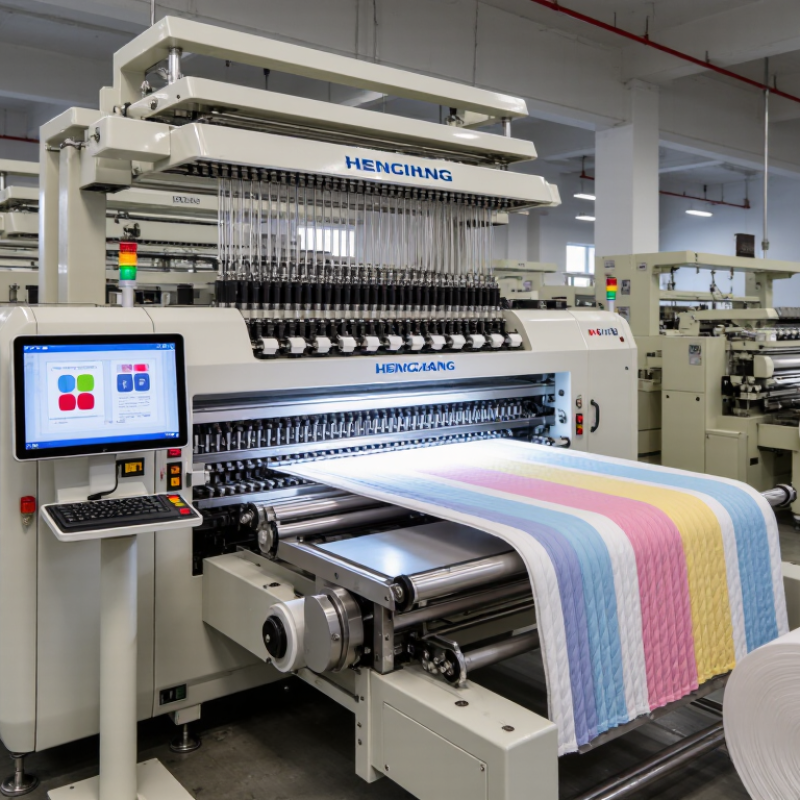
Quilting machines stitch a fabric top, batting, and backing into one layered textile. Depending on the design, they use a moving head or fabric frame to create straight lines, waves, or repeating motifs. Industrial models may offer multiple needles, programmable patterns, and adjustable stitch speed. The result depends on more than automation. Thread tension, needle choice, and even fabric thickness can affect stitch quality. The term “quilting machine” is not perfectly standardized, so buyers should compare actual capabilities, not labels alone.
The market context is substantial, though not quilting-specific. Grand View Research estimated the global textile machinery market at about US$29.7 billion in 2023 and projected growth through 2030. That broad category includes many types of equipment, so the figure should not be read as quilting-machine sales. For production teams, practical checks include usable quilting width, frame stability, pattern-file compatibility, and access for routine maintenance. A machine that runs quickly may still struggle with bulky batting or unevenly tensioned fabric.
Tips: Test with your own top, batting, and backing. Inspect stitches at corners and seams. Ask how quickly operators can change patterns and clear lint. Small differences matter. A neat sample may not reflect a full shift.
How Hengchang Quilting Machine Suppliers Serve Global Markets
Quilting machine suppliers serve global markets by adapting equipment and support to different production conditions. A factory making lightweight bedding needs different settings from one handling thick, layered quilts. Suppliers can discuss stitch patterns, working width, feed systems, and expected daily output before recommending a configuration. Practical conversations matter. A sample fabric test can reveal skipped stitches or uneven feeding before a machine is shipped.
Export support often includes protective crating, spare needles, clear operating manuals, and guidance on installation. Buyers should confirm voltage, plug type, language options, and delivery terms in writing. Remote video support can help operators check thread tension or adjust a frame, especially when local technicians are unavailable. Details matter. Parts availability matters, too. A low purchase price is less useful if a small replacement component takes weeks to arrive.
Experienced suppliers also ask about operator skill and maintenance routines, not only machine specifications. They may offer training plans, troubleshooting steps, and periodic follow-up after installation. Yet service quality can vary between regions, and promises are not the same as proven response times. Buyers can request references from comparable workshops and agree on support hours before ordering. A checklist can still miss real production problems, so a short trial run with the intended fabric is worth the extra effort.
Criteria for Evaluating Hengchang Quilting Machine Suppliers
A reliable Hengchang quilting machine supplier should prove performance on your materials, not just show a polished demonstration. Ask for stitch-density samples using your fabric, thread, and batting. Check whether the pattern stays even at the edges and whether the machine handles a full shift without skipped stitches or overheating. Request documented test results, maintenance intervals, spare-parts lead times, and operator training details. Small details matter.
Quality records need scrutiny. Confirm that inspection reports identify measurable checks, such as needle-bar alignment, tension consistency, and frame vibration. ISO certification can support a quality-management review, but it does not prove that a particular machine meets your production needs. Ask for a recent factory acceptance test and a written warranty with response times. One gap is easy to miss: suppliers may quote output speed without specifying fabric thickness or pattern complexity.
Service and delivery deserve equal weight. The World Bank’s 2023 Logistics Performance Index assessed 139 economies across six dimensions, including infrastructure, tracking, and timeliness. Use those measures to discuss shipping risks, but verify the supplier’s own delivery history and local service coverage. Ask who handles installation, how quickly common parts can arrive, and whether remote troubleshooting is available. A clear answer beats a glossy brochure.
Profiles of 10 Hengchang Quilting Machine Suppliers Worldwide
The ten supplier profiles span distinct quilting needs: high-speed multi-needle lines for bedding factories; computerized pattern machines for flexible designs; long-arm units for small-batch work; and mattress-panel systems built for repeatable seams. Other profiles focus on upholstery, thick batting, entry-level production, retrofit controls, OEM integration, and export service. Each profile should be judged by practical evidence: stitch consistency across a full-width panel, changeover time, spare-part access, and technician response. Ask for a live run using your own fabric stack.
Small details matter.
ITMF’s 2023 International Textile Machinery Shipment Statistics reported a 19% year-on-year decline in global shipments of new short-staple spindles, reflecting a cautious investment climate across textile manufacturing. That figure does not measure quilting machines, but it supports careful capital planning. Compare quoted output with tested output, and check whether speed claims include loading and pattern changes.
A neat sample is not enough. Request service records, electrical documentation, and a clear warranty scope. Supplier profiles should also disclose where components are sourced and which repairs can be completed locally. That part is often vague, and buyers should challenge it.
How to Compare Suppliers and Choose the Right Partner
Comparing global quilting-machine suppliers requires more than matching quoted prices. Ask each supplier to quilt the same fabric stack, batting, and pattern at your target speed. Inspect stitch formation at corners, curves, and fabric joins. Test it live. Record output per hour, changeover time, needle options, and downtime support. A machine that runs quickly on a showroom sample may behave differently with your materials.
Check total ownership costs, not just the invoice. Compare installation, operator training, warranty terms, spare-part availability, and estimated maintenance intervals. Request references from facilities with similar product widths and production volumes. ITMF’s International Textile Machinery Shipment Statistics reported declines across several textile-equipment categories in 2023. This broader market data is not quilting-specific, but it highlights why service continuity and replacement-part planning deserve attention. Ask suppliers for written lead times and local technician coverage. Small details matter.
Tips: Bring your own fabric and batting, then request a timed production trial. Photograph stitch quality and note settings. Compare the results with a simple scorecard. One weakness: a short trial cannot prove long-term reliability, so verify maintenance records and speak with existing users before deciding.





