Top 10 HDPE Film Suppliers for Global Buyers
Choosing a reliable Hdpe Film supplier takes more than comparing prices or browsing a polished catalog. Buyers must match film thickness, roll width, surface finish, and packaging format to the job. A greenhouse cover, protective liner, and industrial wrapping film can require different performance characteristics. Details matter.
A dependable supplier should explain available grades, production capacity, minimum order quantities, and typical lead times clearly. Ask for technical data sheets and, where relevant, test reports that support stated properties. Sample rolls can reveal practical issues, such as uneven winding, inconsistent thickness, or difficult handling on your equipment. These small checks can prevent costly surprises later.
This guide introduces ten Hdpe Film suppliers for global buyers and outlines factors worth reviewing before requesting a quotation. It considers product range, manufacturing experience, export readiness, communication, and the clarity of supplier documentation. No supplier is automatically the best fit for every market or application. A large catalog may look impressive, yet provide little detail about quality controls. I have found that this is easy to overlook when deadlines are tight. Buyers should confirm specifications, delivery terms, and any application-specific requirements directly with each supplier. Use the profiles as a starting point, not a substitute for independent checks. The right choice often comes down to consistent material, realistic lead times, and straightforward support when something needs attention.
Understanding HDPE Film and Its Main Applications
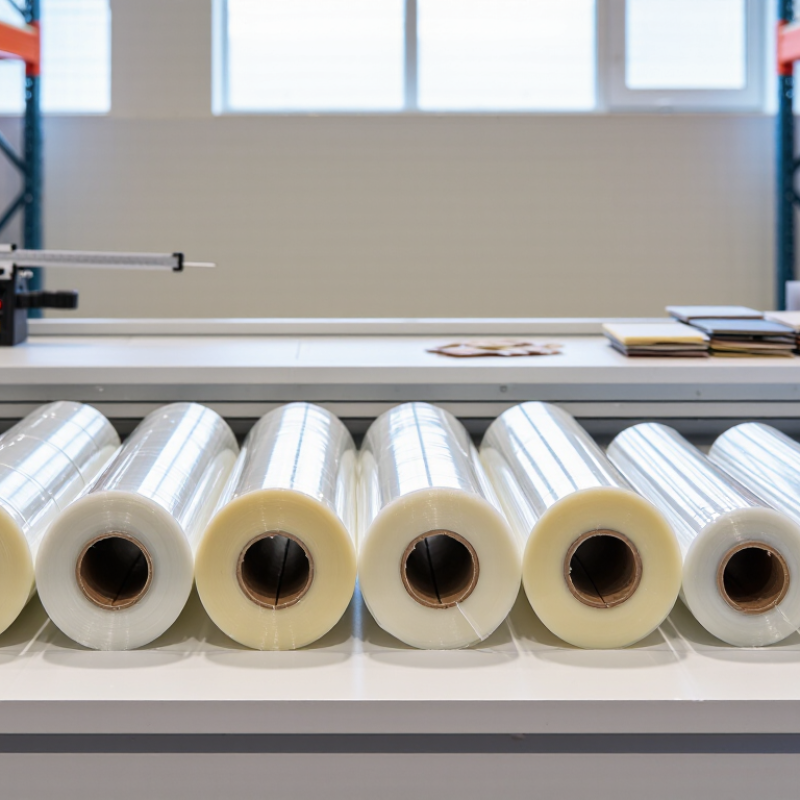
HDPE film is made from high-density polyethylene resin and is valued for its strength, moisture resistance, and low weight. It often feels crisp rather than stretchy, though thickness and formulation affect handling. Common uses include bags, protective packaging, liners, agricultural covers, and construction sheeting. In warehouses, it can help shield stored goods from dust and splashes. It is not suitable for every load: sharp edges, heat, sunlight, and repeated flexing can shorten its service life. That detail matters.
Film properties vary by thickness, resin grade, and manufacturing process. Buyers should check gauge, tear resistance, sealing performance, and intended exposure before choosing a film. Compared with softer polyethylene films, HDPE may be less flexible, which can affect wrapping and packing speed. A sample run can reveal handling issues that a specification sheet cannot. Test before scaling.
Tips: Match the film to the real job, not just the listed material. For outdoor use, ask about UV resistance and expected exposure time. For packaging, test filled samples with the actual product and sealing equipment. Keep a record of results; small changes in thickness can affect both performance and material use. I would not assume one grade works equally well across every application.
HDPE Film: Typical Thickness by Application
The chart shows indicative thickness ranges in microns for common HDPE film uses. Actual specifications vary with product design, performance requirements, and supplier.
How to Evaluate HDPE Film Suppliers for Global Sourcing
Top 10 HDPE Film Suppliers for Global Buyers
How to Evaluate HDPE Film Suppliers for Global Sourcing
HDPE film sourcing is a process-control decision, not just a price comparison. The OECD’s Global Plastics Outlook (2022) estimates that global plastic waste reached 353 million tonnes in 2019, with only 9% recycled after processing losses. Plastics Europe’s Plastics – the Fast Facts 2024 reports 413.8 million tonnes of global plastics production in 2023. These figures make material traceability and clear specifications important procurement checks.
Ask suppliers to state resin grade, film thickness tolerance, roll width, and surface treatment in writing. Request recent certificates of analysis tied to specific production lots, not generic product sheets. For comparable samples, test tensile properties using ASTM D882 and impact resistance using ASTM D1709. A handheld micrometer can reveal thickness variation across a roll; inspect edges and cores for damage, too. Paperwork is not performance.
Run sample rolls on your own equipment before approving volume orders. Record seal consistency, feed stability, and any web breaks under normal line speeds. One supplier visit may not represent every production shift, so request records from several recent lots. If recycled content matters, ask for its stated percentage and supporting chain-of-custody documentation. I would not treat a polished audit score as proof of steady quality.
Profiles of Ten HDPE Film Suppliers Serving International Buyers
International buyers assess HDPE film suppliers by more than quoted price. The ten profiles below describe common supplier capabilities, not a verified ranking of named companies. A high-volume producer may offer consistent rolls and broad thickness ranges, while an agricultural-film specialist may focus on UV resistance and seasonal orders. A construction-film supplier often handles protective sheets for job sites. A packaging converter may provide printed or slit rolls. Check actual specifications.
A recycled-content producer can help buyers seeking material options, but request clear data on composition and batch variation. A custom-gauge supplier may accommodate unusual widths or thicknesses; confirm tolerances with samples. A color and additive specialist can tailor appearance or performance, though every claim needs supporting test results. An export-focused distributor may coordinate documents and freight, but ask who manufactures the film. Details matter.
Industrial-liner suppliers typically serve demanding containment uses, so verify puncture and tensile data against the application. A small-batch converter may suit trial orders, although capacity can be limited. Ask all ten supplier types for technical sheets, sample rolls, production lead times, and inspection procedures. A polished sample is not proof of repeatable quality. Buyers should compare like-for-like specifications, and revisit their assumptions after testing material under real operating conditions.
Comparing Supplier Capabilities, Products, and Service
Comparing ten HDPE film suppliers means looking beyond price per kilogram. Buyers should check whether each supplier can hold consistent thickness across a full production run. A clear specification should state gauge, width, roll length, color, and intended application. Ask for recent test data on tensile strength, tear resistance, and sealing performance when relevant. Small details matter.
Product range is another useful measure. Some suppliers offer plain, tinted, printed, or surface-treated film, while others focus on a narrower set of grades. Confirm that available roll dimensions suit your converting equipment, and request a sample before approving a large order. A sample cannot guarantee every batch will match, but it can reveal handling or sealing issues early.
Service capabilities often separate a workable supplier from a dependable one. Ask about production lead times, minimum order quantities, packaging, export documentation, and how the team handles quality concerns. Reliable suppliers explain tolerances and provide traceable batch records, rather than promising perfection. No supplier is flawless; response times may vary during busy periods. Compare written answers, not just sales calls, and note where details remain unclear. This takes extra time. It can prevent costly delays when shipments arrive or film runs poorly on the line.





