Top 10 Grating Stair Tread Options for Global Buyers?
In the world of construction and design, safety and functionality are paramount. The right Grating Stair Tread can prevent accidents and enhance the aesthetic appeal of spaces. Global buyers are often faced with overwhelming choices. The market offers a plethora of options, but not all meet safety standards.
Selecting quality grating tread is essential. These products provide slip resistance and durability. However, choosing the wrong material can lead to costly mistakes. Understanding the specific needs of your environment is vital. Factors like foot traffic, weather conditions, and design preferences all play a role.
It’s important to consider feedback from previous buyers. Some products may look appealing but lack performance ratings. Investigating various brands and their reputation will help inform better decisions. This guide aims to highlight top options while encouraging a thoughtful approach.
Types of Grating Stair Treads: Materials and Features
Grating stair treads come in various materials and features, providing options for different environments. Common materials include steel, aluminum, and fiberglass. Each type has unique characteristics that affect their performance and durability. For example, steel treads offer strength and longevity but may require anti-corrosion treatments. Aluminum is lightweight and resistant to oxidation, making it ideal for outdoor use. Fiberglass treads, on the other hand, are non-slip and can support high foot traffic safely.
When choosing grating stair treads, consider the setting in which they will be used. Industrial environments may favor steel or aluminum for load-bearing needs. Residential or commercial applications might benefit from fiberglass due to its safety features. Also, think about factors like weather conditions and aesthetics. Some treads can be customized for color and branding, allowing for integration into a company's visual identity.
Tip: Always assess the load capacity of your chosen tread material. Inspect tread surfaces regularly to ensure they remain functional. Remember, while grating treads enhance safety, neglecting maintenance can lead to accidents. Not every tread will perform well in all situations; understanding your needs is vital. Keep an eye on wear and tear, especially in high-traffic areas.
Top 10 Grating Stair Tread Options for Global Buyers
Factors to Consider When Selecting Stair Treads for Safety
When selecting stair treads for safety, several factors come into play. The material is crucial. Options like rubber, metal, and plastic each offer different levels of grip and durability. A non-slip surface is essential to prevent accidents, especially in wet conditions. Adding texture can improve traction and provide additional safety for users.
Another important aspect is the tread size. Treads should span the entire width of the stairs. This helps in providing sufficient footing area. Additionally, the thickness matters. A thicker tread can absorb more impact and withstand heavy foot traffic. The installation method also needs consideration. Some treads require adhesives, while others simply fit over the existing stair surface. Proper installation enhances safety and longevity.
Color and visibility cannot be overlooked. Bright colors improve visibility, especially in low-light areas. Contrast against the stair color can help users identify the tread. Maintenance is another factor. Regular cleaning is necessary to ensure the tread retains its grip. Choosing materials resistant to wear can save time and costs long-term. Always assess specific environmental conditions for optimal safety features.
Top 10 Grating Stair Tread Options for Global Buyers
| Option | Material | Slip Resistance Rating | Color Options | Installation Type | Estimated Cost per Unit |
| Rubber Tread | Rubber | High | Black, Gray | Adhesive | $10 |
| Aluminum Tread | Aluminum | Medium | Silver | Screw Down | $15 |
| Fiberglass Tread | Fiberglass | Very High | Yellow, Orange | Glue Down | $20 |
| Vinyl Tread | Vinyl | Medium | Various Patterns | Peel and Stick | $8 |
| Steel Tread | Steel | High | Natural | Welded | $25 |
| Carpet Tread | Carpet | Medium | Various Colors | Adhesive | $12 |
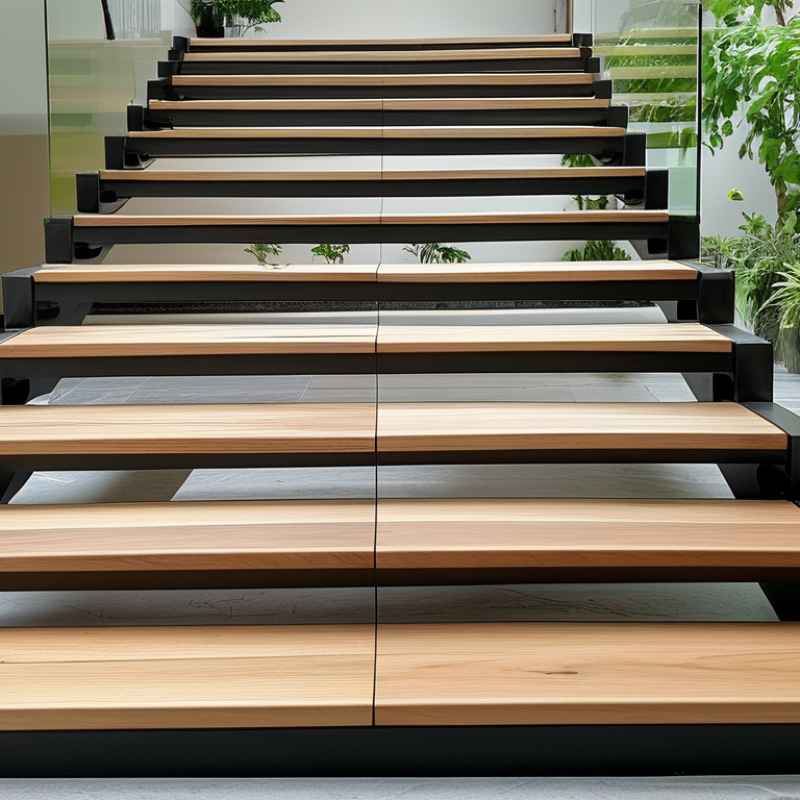
| Wood Tread | Wood | Medium | Natural Finish | Nail Down | $30 |
| Textured Vinyl Tread | Textured Vinyl | High | Gray, Black | Peel and Stick | $14 |
| Composite Tread | Composite Material | Very High | Brown, Gray | Screw Down | $28 |
| Rubberized Tread | Rubber | Very High | Various Colors | Adhesive | $18 |
Top 10 Grating Stair Tread Options: A Comparative Analysis
When selecting grating stair treads, safety and durability are paramount. Recent reports indicate that falls on stairs account for roughly 30% of all accidental injuries worldwide. This highlights the critical need for effective tread solutions. Various materials, including fiberglass and aluminum, provide unique benefits. For instance, fiberglass treads are known for their corrosion resistance, making them ideal for outdoor conditions.
A comparative analysis of tread options reveals significant differences in slip resistance. According to the National Floor Safety Institute, treads with a high Coefficient of Friction (COF) can reduce slip accidents by 70%. Some materials also offer enhanced visibility through integrated non-slip surfaces. This feature can be especially crucial in low-light environments.
Cost considerations also play a critical role. Basic materials might offer short-term savings but may require frequent replacement. Investing in higher-quality treads can enhance safety and longevity. However, many buyers struggle with these choices because the market is flooded with options. An informed decision requires understanding the specific environment where the treads will be used. Safety shouldn’t be compromised for price alone; this is where thoughtful reflection comes into play.
Installation and Maintenance Tips for Grating Stair Treads
Grating stair treads are crucial for safety and accessibility. Proper installation directly affects their performance and longevity. Start by selecting the right size and material. Always follow the manufacturer's guidelines for installation to ensure compliance with safety standards. Use a sturdy adhesive and secure fasteners to prevent slippage.
Maintenance is equally important. Regularly inspect the treads for wear and tear. Look for cracks, rust, or any debris that may obstruct safe use. Cleaning is simple. Just sweep away dirt and use a mild detergent for deep cleaning. Then rinse thoroughly to prevent slippery surfaces.
Consider the environment when choosing materials. Harsh weather may affect durability. Reflect on the longevity of different options. A well-maintained tread can last for years, providing value and safety. Take the time to reflect on your choices. This ensures your installation meets the necessary safety criteria.
Global Trends in Stair Tread Design and Usage Preferences
Stair tread design has evolved significantly in recent years, reflecting global trends and regional preferences. Today, safety and aesthetics are equally prioritized. Many consumers seek options that enhance traction without sacrificing style. These preferences are influenced by varying climates and regional styles. For instance, in colder regions, anti-slip materials gain popularity due to snow and ice. In more temperate areas, visual appeal often takes precedence.
Innovation is also prevalent in material choice. Traditional wood is being replaced by composite materials that offer durability and lower maintenance. However, this shift prompts discussions about environmental impact. Are these new materials sustainable? Certain designs draw inspiration from nature, promoting a connection with the outdoors. Still, not every trend works universally. What fits one environment may not suit another.
Visual patterns are becoming more diverse, from striped designs to intricate textures. Consumers desire uniqueness, but complexity in patterns can confuse installation. As new designs emerge, it is vital to balance style with practical concerns like installation ease. Continuous evaluation of these preferences will shape future stair tread trends.