


Top Check Valve Suppliers for Global Buyers?

Choosing among the top check valve suppliers for global buyers requires more than comparing prices or browsing polished catalogues. A reliable supplier must understand pressure, temperature, fluid behavior, installation direction, and maintenance conditions. Small details matter. A poorly selected check valve may slam shut, create water hammer, or fail to prevent backflow. These problems often appear after installation, when replacement costs rise.

Richard W. Greene, author of Valve Selection Handbook, wrote, “The valve must be selected for the service, not merely for the line size.” This principle remains practical for buyers sourcing valves across different industries and regions. Experienced suppliers should provide material certificates, pressure ratings, testing records, dimensional drawings, and clear product traceability. They should also explain whether a swing, wafer, lift, spring-loaded, or dual-plate design fits the application.

Look beyond the brochure.

A dependable supplier can discuss real operating conditions, not only standard specifications. Ask about factory testing, corrosion resistance, sealing materials, delivery control, and technical support after shipment. Global buyers should also review communication quality, production capacity, export experience, and the consistency of previous orders. Independent inspection can add confidence, especially for critical pipelines.

Still, no ranking is permanent. Market claims may be incomplete, and a famous brand may not suit every project. That is worth admitting. The best choice depends on verified performance, application knowledge, and honest communication. This guide examines leading check valve suppliers through those practical criteria, helping buyers make decisions based on evidence rather than attractive promises.
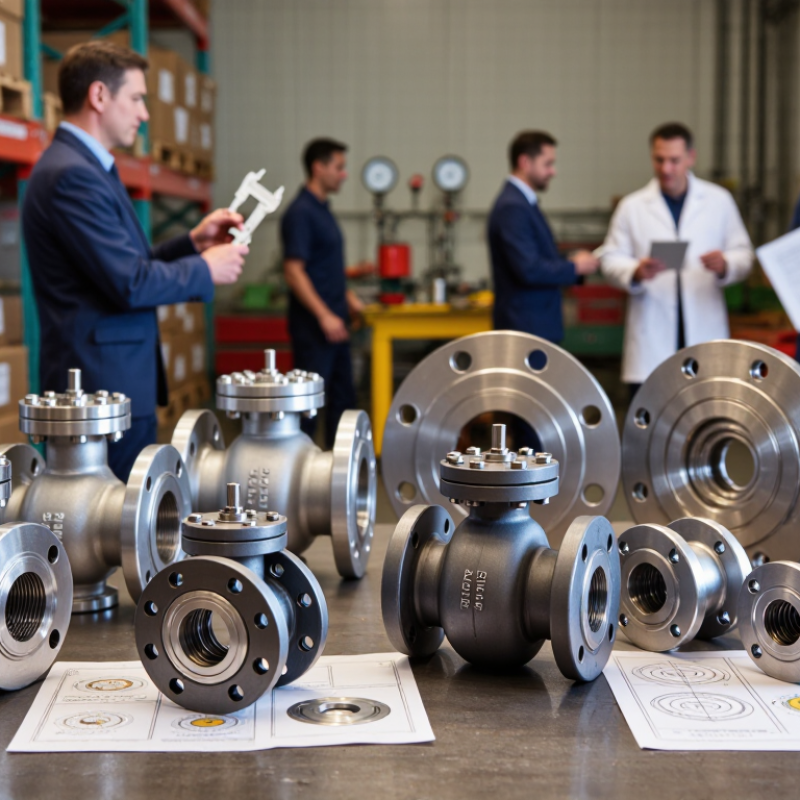
Top Check Valve Suppliers for Global Buyers?

Check Valve Fundamentals: Swing, Lift, Dual-Plate, and Axial Designs

Top Check Valve Suppliers for Global Buyers?

Check valves stop reverse flow without external power, but design choice matters. Swing check valves use a hinged disc and suit steady, clean flow. They usually create low pressure loss. However, poor installation can make the disc slam against its seat. Lift check valves guide a piston vertically and respond well to changing flow. Their tighter guidance improves stability, but their pressure drop is often higher.

Dual-plate check valves use two spring-loaded plates within a compact body. Their wafer-style construction saves space and weight, especially in large pipelines. Axial check valves guide the disc along the pipe centerline. This supports smooth flow and low turbulence. They are useful near pumps, compressors, and high-velocity systems. In practice, no design wins everywhere. I have seen a compact valve selected correctly, yet fail early because the flow direction was misunderstood.

Tips: Match the valve to pressure, temperature, fluid, pipe orientation, and expected flow speed. Check the cracking pressure before ordering. Confirm seat materials against the process fluid. Review water-hammer risk during shutdown. Ask for pressure-test records and material certificates. A valve that fits the flange may still be technically wrong. Consider maintenance access, too. This detail is easy to overlook.

Top Check Valve Suppliers for Global Buyers? - Check Valve Fundamentals: Swing, Lift, Dual-Plate, and Axial Designs
Comparison Dimension Swing Check Valve Lift Check Valve Dual-Plate Check Valve Axial Check Valve
Basic operating principle A hinged disc swings open with forward flow and returns toward the seat when flow reverses. A piston, disc, or poppet moves vertically away from and back onto a seat. Two spring-assisted plates open into the flow path and close when forward flow decreases or reverses. A guided disc or plug moves axially along the pipe centerline, usually with spring assistance.
Flow direction One-way flow; the valve must be installed according to the body flow arrow. One-way flow; the pressure differential must lift the closure member from its seat. One-way flow; the two plates respond independently to changing flow conditions. One-way flow; the streamlined closure member follows the pipe axis.
Typical pressure-drop tendency Low to moderate when fully open; the hinged disc remains in the flow path. Moderate to high compared with full-flow designs because the closure member moves through a guided seat area. Low to moderate; the short face-to-face design can reduce system space and flow resistance. Generally low when properly sized because the flow path is streamlined and centered.
Water-hammer behavior Can produce significant slam in high-velocity or rapidly reversing systems, especially with a long disc travel path. May slam if the closure member is heavy or the valve is installed in an unsuitable orientation. Usually offers improved non-slam performance because the plates have short travel and spring-assisted closing. Typically provides fast, low-shock closure when the spring and sizing are correctly selected.
Preferred installation orientation Horizontal installation is commonly preferred. Vertical upward-flow installation may be permitted by the design. Often installed in horizontal lines or vertical lines with upward flow, subject to the valve design. Can often be installed horizontally or vertically, but the supplier must confirm orientation limits and spring configuration. Frequently suitable for horizontal or vertical piping because the closure is guided along the centerline.
Space requirement Usually longer face-to-face dimensions than wafer-style designs. Generally compact, but the bonnet or cover requires access for inspection and maintenance. Very compact and lightweight in wafer or lug configurations, reducing installation space and support loads. Compact body design with relatively short face-to-face dimensions in many applications.
Main advantages Simple construction, broad size availability, relatively low purchase cost, and suitability for many liquid services. Good shutoff potential, controlled closure movement, and suitability for clean liquid or gas applications. Short face-to-face length, low weight, fast response, and good resistance to reverse-flow shock. Low pressure loss, fast dynamic response, compact construction, and good suitability for high-flow systems.
Main limitations Potential disc slam, sensitivity to flow pulsation, and possible wear at the hinge or seat. Higher pressure loss, possible sensitivity to dirt, and orientation restrictions for some models. Spring and plate components require correct material selection; some designs are less suitable for solids or severe fouling. More complex internal guidance and spring components can increase cost and maintenance requirements.
Typical applications Water and wastewater lines, pump discharge piping, cooling-water systems, process pipelines, and general industrial service. Boiler feedwater, compressor discharge, refinery and chemical process lines, and applications requiring controlled seating. HVAC systems, water treatment, fire-protection piping, pump systems, and space-constrained industrial pipelines. Gas transmission, compressor stations, chemical processing, power systems, and high-flow industrial services.
Common material choices Carbon steel, ductile iron, cast iron, stainless steel, and corrosion-resistant alloys. Carbon steel, stainless steel, alloy steel, and other materials selected for temperature and fluid compatibility. Carbon steel, stainless steel, ductile iron, aluminum-bronze, and engineered seating materials. Carbon steel, stainless steel, alloy steel, and specialized alloys for corrosive or high-temperature services.
Key buyer checks Confirm allowable installation angle, disc travel, minimum flow velocity, seat material, pressure rating, and reverse-flow performance. Confirm minimum lift pressure, orientation, guide clearance, seat leakage class, temperature rating, and clean-service suitability. Confirm wafer or lug pattern, spring material, minimum operating pressure, plate clearance, leakage requirements, and line support needs. Confirm flow coefficient, cracking pressure, spring response, body length, noise or vibration limits, and pigging requirements.
Relevant procurement documents Dimensional drawing, pressure-temperature rating, materials certificate, pressure-test report, installation instructions, and spare-parts list. Certified drawing, material traceability, seat-leakage test results, pressure-test report, maintenance instructions, and coating details. Wafer or lug dimensions, spring and plate material certificates, functional test data, leakage results, and installation clearances. Flow-performance data, spring test results, pressure-temperature rating, material certificates, noise data, and inspection documentation.
Buyer note: Actual pressure ratings, temperature limits, face-to-face dimensions, leakage performance, materials, and allowable installation positions vary by size and design. Final selection should be based on line pressure, temperature, fluid properties, flow velocity, required shutoff performance, applicable codes, and the supplier’s certified technical data.

Industry Standards: API 6D, ASME B16.34, ISO 9001, and NACE MR0175

Global buyers should treat check valve compliance as evidence, not a marketing phrase. API 6D verifies critical pipeline valve design, testing, documentation, and traceability. ASME B16.34 defines pressure-temperature ratings, materials, and pressure tests. These requirements matter when a valve faces high pressure, thermal cycling, or difficult installation conditions.

ISO 9001 supports controlled processes, but certification alone cannot guarantee reliable field performance. The ISO Survey 2022 recorded 1,265,216 ISO 9001 certificates worldwide. That scale shows broad adoption, not automatic quality. Buyers should review inspection plans, heat-number records, test reports, and corrective-action history. Small gaps can become expensive.

NACE MR0175, also identified as ISO 15156, is essential for sour-service applications. The NACE IMPACT study estimated global corrosion costs at US$2.5 trillion, or 3.4% of global GDP. Material selection deserves close attention. A qualified supplier should explain hardness limits, metallurgy, sealing materials, and environmental restrictions clearly. Experienced teams also compare API 6D testing with project-specific requirements. A checklist helps. It can still miss weak documentation, inconsistent sampling, or unclear responsibility after delivery. Suppliers meeting these standards are stronger candidates, but buyers should verify current certificates and independent inspection access.

Supplier Screening: NPS ½–60, ASME Class 150–2500, and Materials

Screening check valve suppliers starts with range, not polished catalog language. Confirm whether the supplier genuinely supports NPS ½ through NPS 60. Large-diameter valves require different casting, handling, inspection, and test planning. Ask for dimensional drawings, face-to-face data, pressure-temperature ratings, and connection details. Small sizes need equal attention. Internal clearances can affect cracking pressure and installation.

ASME Class 150 to 2500
should be treated as a design boundary, not a sales label. Request material certificates, heat numbers, traceability records, and hydrostatic or seat-test reports. Check whether testing follows the specified project standard and acceptance criteria. For critical service, review similar pressure, temperature, and fluid applications. Do not accept “equivalent material” without written engineering evidence. That shortcut can become expensive.

Material selection should match corrosion risk, temperature, erosion, and cleaning requirements. Options may include carbon steel, stainless steel, duplex grades, nickel alloys, or lined designs. The right body material may still fail if trim, hinge, spring, or seat materials are poorly matched. Ask how the supplier controls welding, heat treatment, coating, and final inspection. Witness testing is useful, although it can slow procurement. No screening method is flawless. I would question incomplete dossiers, even when the valve looks excellent. Missing records are not a minor inconvenience. Compare lead time with inspection depth, spare-part support, and technical response quality.

Application Matching: Oil, Gas, Water, Chemical, and Power Systems

Top Check Valve Suppliers for Global Buyers?
Application Matching: Oil, Gas, Water, Chemical, and Power Systems

A reliable check valve begins with the process, not the catalog. UN-Water’s World Water Development Report 2024 states that agriculture accounts for roughly 70% of global freshwater withdrawals. Water systems therefore need corrosion-resistant bodies, low-pressure loss, and dependable sealing during frequent cycling. Ask suppliers for flow data, pressure ratings, and test certificates. A low cracking pressure can protect pumps, but it may also increase reverse-flow risk.

Oil and gas lines demand stronger verification. The International Energy Agency’s Oil 2024 report expects global oil demand to approach a plateau near 2030. This makes maintenance access and lifecycle cost increasingly important. For gas service, buyers should review fugitive-emission controls, temperature limits, and sour-service material compatibility. A supplier offering only nominal size and pressure data is not enough. Field conditions are messier.

Chemical plants require precise material matching. Chlorides, solvents, and changing temperatures can defeat a seemingly suitable alloy. Power systems add steam shock, vibration, and high thermal cycling. The IEA’s Electricity 2024 report projects global electricity demand growth of about 4% annually through 2026, increasing pressure on plant reliability. Compare inspection plans, fatigue testing, spare-part availability, and documented quality systems. I have seen selection tables overlook installation orientation. That small mistake can shorten service life. Supplier claims should be checked against recognized standards, independent test records, and actual operating data.

Global Buying Scorecard: Quality, Lead Time, TCO, Certification, and Service

Top Check Valve Suppliers for Global Buyers?

A global buying scorecard should measure more than unit price. In field reviews, I inspect body markings, disc movement, hinge clearance, and seat damage before approving samples. A valve that closes cleanly at 20°C may behave differently with viscous fluids or repeated pressure cycling. Request test curves, material certificates, hydrostatic reports, and traceability records for each heat number. ASME B16.34 and API 6D provide useful benchmarks for pressure design, testing, and documentation, where applicable.

Lead time needs evidence, not optimistic emails. Compare quoted production days with historical delivery data, including inspection and ocean transit. The World Bank Logistics Performance Index 2023 treats timeliness as a separate logistics measure, reminding buyers that factory speed is only one part of delivery risk. Total cost of ownership should include energy loss, replacement seals, maintenance labor, customs, and downtime. A cheaper check valve can become expensive after one failed shutdown.

Certification also needs verification. The ISO Survey reports more than one million ISO 9001 certificates worldwide, but certification alone does not prove process discipline at every production site. Ask for the certificate scope, issuing body, expiry date, and site address.

Service matters when drawings change or a field failure occurs. My scorecards still overvalue paperwork sometimes. A supplier’s response time, spare-parts policy, and failure-analysis method often reveal more than a polished audit file. Shortlist suppliers that can explain defects plainly.

Article Source:

Powder Coat Booths

For those larger-sized parts, or smaller quantity runs, we have 2 independent powder coat booths and ovens. The quality, durability and affordability of today’s powder coating finishes make this the process of choice for world-class companies.

Powder coating advantages over other forms of coating are many. Materials used in the Powder coating process can be metals and non-metals that come in a multitude of thicknesses, textures, colors, etc. Another of Powder coating’s biggest advantages over conventional coatings is its ability to create finishes in many different textures. Powder Coating Booths allow us the ability to apply these advantages to large products.

Wet Paint Line

Tri-State Fabricators runs a full-service conveyor line for painting. Wet painting can provide protection or decoration to many different part styles. From start to finish, every project is easier to undergo random and point-based inspection by our skilled painting team.

Advantages to our Wet Paint Line are these lines start with product prep and ends with a thorough inspection of a high quality finished product. Our ability to complete large and small projects with a superior finish and doing so in a timely and economical fashion. This passes along the savings in production to our customers. When powder coating ins not an option, our Wet Paint Line gets the job done right the first time.

Wet Paint Booths

When the parts get big and heavy we roll-out our custom paint racks and oversize booth. By utilizing our partnerships with all the major paint brands, we can match virtually any color with wet paint.

The advantages of having access to a Wet Paint Booth are many. Large projects of many different shapes can be loaded into the booth. The Wet Paint Booth offers an environment that is much more controlled than a typical parts painting operation.

Not only are they used because of their controlled environment, but they’re are also advantageous when it comes to applying paint to parts that are needed in industries that require specialty coatings such as medical, aerospace, etc.

Military CARC

Our military forces have some very high standards when it comes to the finish of their vehicles and equipment. From the first pre-treatment step to final coat, it takes a great deal of knowledge and experience to protect the men and women of our armed forces. They deserve only the best, and Tri-State Fabricators provides it.

All of our processes are closely monitored by our staff and management teams. Both of which are highly trained in the processes of metal fabrication and finishing. Tri-State Fabricators’ goal is to always fully satisfy each and every customer, including the military. We will always put a 110% into what we do.

Glass-Bead Blasting

Abrasive media blasting is an excellent way to remove old paint, rust, and increase the paint/powder adhesion. Glass beads produce a much smoother and brighter finish than angular abrasives; leaving the part clean yet without any dimensional change. Chemically inert and environmentally friendly, we can recycle our beads approximately 30 times; making them a more preferred method of metal cleaning or surface finishing.

Advantages to Glass Bead Blasting are many. Glass bead blast media is used when a project is needing rough surfaces need to become smooth for applications of coatings such as paint. It is typically used to clean paint and rust from a product surface without deforming the surface it is being used on. Overall, compared to many other blasting media, Glass Bead Blasting is a very economical choice and those savings are always passed on to our customers.

Part Washing

Tri-State Fabricators utilize a zinc phosphate wash to clean and etch the material to ensure the best paint adhesion possible. The unique design of our 3-stage wash system does the work like a 5-stage. From Cleaning and rinsing to conversion coating and post-treatment, Our Part Washing process is a complete service and works throughout the fabrication service and the finishing service.

Along with the previously mentioned benefits, Curing is a vital chemical reaction that leaves the product finish hard and relatively safe from mild abrasion and aggressive corrosion. This process can be done in more than one way; ambient air-dry or in curing ovens at temps that exceed 240°.

Burn-Off Oven

From fixing paint mistakes (someone else’s of course) to simply cleaning our paint line hooks, our burn-off oven is put to good use. After a quick burn-off, a little clean up, and a fresh coat of paint, your parts will look better than new.

Why does our Burn-Off Oven work so well? Because super heating the air around parts turns the materials into ashes. From paint and powder coatings to rubber and machining oils, high temps do the job without degrading the integrity of the part.

Masking

Masking is a vital part of producing high quality products. We have die-cut masking patterns to protect machined surfaces as well as a wide range of plugs and caps to protect threaded holes and bolts. We provide permanent and temporary masking.

Masking allows the selected sections of a product to be protected from a fabrication or finishing service. This can be with both chemicals when etching and tapes, paints when only finishing just a section of the product. Masking is great in aiding the customization process of a project.

Screen Printing

Screen printing is a photographic process that transfers artwork onto a porous nylon screen which allows colored ink to flow through the screen and be deposited on an aluminum or plastic component. We can generally have just about any design created onto a screen for your parts.

Some of the advantages of Screen Printing are, brand recognition for your business displaying on your products, assembly instructions, product warnings/hazards, etc. Tri-State Fabricators produces Screen Printing of the highest quality so you know it’s durable.

Metal Finishing

Metal Finishing is the art of treating the exterior portion of product, often metal but can also be made of other materials, so that the surface is clean and free of any debris. Then the process of applying coats or either paint of powder coat takes place. This coating process improves the quality of the product in both appearance and resistance to wear and corrosion.

Tri-State Fabricators, Inc., understands that a project typically isn’t complete until a high-quality finish has been added to your product. This is why our painting and powder coating teams continuously inspect the products throughout the Metal Finishing process.


