Top 10 Fuel Control Valves in China for Global Buyers?
In the rapidly evolving automotive sector, "Fuel Control Valves" play a crucial role in optimizing engine efficiency and reducing emissions. According to the Global Market Insights report, the fuel control valve market will exceed USD 22 billion by 2026, driven by demand for advanced fuel system technologies. This underscores the importance of selecting high-quality components for vehicle performance.
China has emerged as a key player in this market. Many manufacturers in the region are pushing boundaries with innovative designs that cater to global standards. However, understanding the exact specifications and the reliability of these valves remains challenging for buyers. Reports suggest that 15% of fuel control valves do not meet industry performance benchmarks. This reinforces the need for thorough evaluations before purchasing.
Industry experts recommend scrutinizing manufacturers based on their certifications and testing standards. Not all suppliers provide transparency regarding their production processes. Buyers must practice diligence and consider factors such as material quality and technological capabilities. By ensuring these valves meet rigorous requirements, enhanced engine performance and reduced fuel consumption become attainable goals.
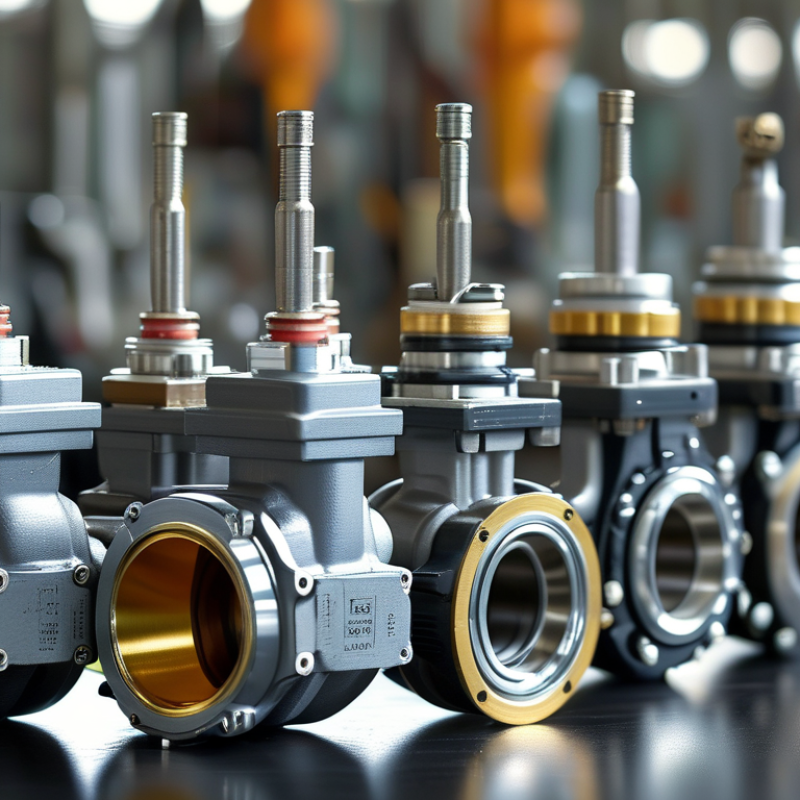
Overview of Fuel Control Valves and Their Importance
Fuel control valves play a crucial role in various industries, particularly in automotive and aerospace sectors. They regulate the flow of fuel, ensuring optimal performance and efficiency. These valves help maintain the correct air-fuel mixture, which is essential for combustion processes. A precise mixture enhances power output while reducing emissions.
The design and functionality of fuel control valves impact engine performance. Poorly functioning valves can lead to reduced fuel efficiency and increased emissions. Manufacturers regularly refine their designs for better reliability and durability. The significance of these valves extends beyond performance; they contribute to overall vehicle safety. A malfunctioning valve may cause engine failure or hazardous situations.
While advancements in technology have improved fuel control valves, challenges remain. Many valves face issues such as wear and contamination. Regular inspections are essential to ensure their reliable operation. Emphasizing proper maintenance will help mitigate risks associated with valve malfunctions. In conclusion, understanding their importance is essential for industries relying on fuel systems.
Top 10 Fuel Control Valves in China for Global Buyers
| Valve Type | Material | Pressure Rating (MPa) | Temperature Range (°C) | Application |
| Electromagnetic Valve | Aluminum Alloy | 1.0 | -20 to 85 | Automotive Fuel Systems |
| Ball Valve | Stainless Steel | 1.6 | -40 to 180 | Fuel Transfer |
| Gate Valve | Carbon Steel | 2.5 | -20 to 120 | Main Fuel Lines |
| Butterfly Valve | PVC | 1.0 | 0 to 60 | Low-Pressure Systems |
| Check Valve | Brass | 1.6 | -10 to 100 | Prevention of Backflow |
| Solenoid Valve | Aluminum | 1.4 | -20 to 85 | Automated Control |
| Pressure Relief Valve | Stainless Steel | 1.0 | -10 to 100 | Safety Systems |
| Float Valve | Polypropylene | 0.6 | -20 to 70 | Tank Level Control |
| Pneumatic Valve | Aluminum | 1.0 | -20 to 80 | Pressure Control |
| Diaphragm Valve | Rubber & Stainless Steel | 1.6 | -10 to 80 | Process Control |
Key Manufacturers of Fuel Control Valves in China
China's fuel control valve market has evolved significantly. It is known for its robust manufacturing capabilities and competitive pricing. Many manufacturers operate in this space, offering a range of products tailored to different industries. They often focus on quality and reliability to cater to global buyers.
Key manufacturers excel in producing valves that comply with strict international standards. This adds a layer of trust for global customers. However, not every company maintains the same level of quality. Some struggle with consistency in their production processes. This inconsistency can lead to doubts about long-term partnerships. Regular audits and assessments are crucial to ensure standards are met.
Additionally, innovation plays a vital role in this market. Many manufacturers are investing in technology to improve efficiency. They work on integrating smart features into valves. However, challenges remain with adapting to rapid changes in industry demands. Manufacturers need to be agile and responsive. Balancing quality with innovation while managing production costs is a constant challenge.
Top 10 Fuel Control Valves in China
This chart displays the estimated annual production volumes of fuel control valves by different key categories in China. The data reflects the distribution of manufacturing in this critical industry, showcasing the importance of each segment.
Top 10 Fuel Control Valve Models for Global Buyers
Fuel control valves are essential in managing engine performance. They regulate the flow of fuel, ensuring optimal combustion. When selecting the best models, global buyers should consider key factors, including precision and adaptability.
Several models excel in performance. A few stand out in efficiency and durability. Buyers often focus on ease of installation and maintenance. Performance metrics can vary widely. Some valves may not perform well under high temperatures. Testing is crucial to ensure reliability across different environments.
The market offers a range of options. However, not every valve meets the highest standards. Carefully reviewing specifications can prevent costly mistakes. Certain models may have complex designs, which can deter some users. A balance between innovation and simplicity is vital for practicality in various applications.
Quality Standards and Certifications for Fuel Control Valves
When selecting fuel control valves, buyers must prioritize quality standards and certifications. These standards ensure reliability and performance under various conditions. Notably, ISO 9001 certification signifies a commitment to quality management systems. This can enhance consumer confidence in the product's durability and precision. Additionally, compliance with API and ASME standards is crucial, as these guidelines help ensure safety and effectiveness.
Manufacturers should undergo rigorous testing to meet these standards. Testing includes evaluating temperature tolerance, flow rate accuracy, and overall durability. Buyers may need to request detailed reports to verify compliance. It’s important to engage with suppliers who transparently share their quality assurance processes. Understanding these elements helps buyers make informed decisions.
Buyers also need to consider the certifications relevant to specific applications. Certain industries may demand higher standards, such as those in aerospace or automotive sectors. Lack of sufficient information can lead to poor choices. Always ask for certification documentation. Ensure that the manufacturer performs regular quality audits. This level of scrutiny can be vital for sustained performance and safety.
Factors to Consider When Choosing Fuel Control Valves
When selecting fuel control valves, several critical factors come into play. First, the material of the valve significantly influences its durability and performance. Stainless steel valves are known for their corrosion resistance, which is vital in harsh operating environments. According to industry reports, valves made from high-grade materials last 30% longer than those made with inferior materials.
Another essential factor is the valve's flow rate. A valve that cannot handle the required flow rate can lead to severe operational issues. Estimates suggest that an improperly sized valve can decrease engine performance efficiency by up to 20%. It's crucial to evaluate the specific requirements of your fuel system before making a decision.
**Tips:** Always consult with professionals who understand the technical specifications of your system. Consider usage scenarios, as different applications may require unique features from your valve. Regularly review performance data; this practice can reveal potential inefficiencies.
In addition, think about the compatibility of the valve with your existing equipment. Mismatched components can result in leaks or unsafe conditions. Balancing quality and cost can also be tricky; sometimes the cheaper option isn’t the best in the long run. Researching user experiences and gathering feedback can aid in making an informed choice.





