Who Are the Top Extruder Machine Parts Suppliers in China?
Choosing an Extruder Machine Parts supplier in China is not just a price comparison. A screw, barrel, gearbox, or heating element must suit the machine, polymer, operating temperature, and production schedule. A small mismatch can mean uneven melt, extra wear, or an avoidable production stop. Details matter.
For a transparent expert perspective, this article uses a fictional composite extrusion specialist, Lin Wei, to express a practical selection principle: “A dependable part starts with the right fit, the right material, and clear evidence of quality.” This is an editorial quotation, not a statement attributed to a real person. It points to useful checks: dimensional drawings, material specifications, inspection records, machining capability, and responsive technical support. Ask for evidence. Compare like with like.
The guide will examine how buyers can assess leading Chinese suppliers without treating a ranking as a guarantee. Supplier websites and product catalogs offer clues, but they do not prove consistent performance. Request samples or inspection documents where appropriate, and confirm compatibility with your exact extruder model. Also consider lead times, spare-part availability, and communication during troubleshooting. No checklist catches everything. Even experienced buyers can overlook one tolerance or material detail. A careful comparison can reduce that risk and help identify a supplier suited to your equipment, application, and service needs.
What Are Extruder Machine Parts and What Do They Do?
Who Are the Top Extruder Machine Parts Suppliers in China?
What Are Extruder Machine Parts and What Do They Do?
An extruder turns raw material into a continuous, shaped product. Its screw moves material through a heated barrel, mixing and pressing it toward the die. The barrel supports the screw and helps maintain controlled temperatures along the process. At the feed throat, material enters the machine; heaters and cooling channels help manage heat. A gearbox transfers motor power to the screw. The die gives the softened material its final profile. Depending on the machine, screens or a screen changer may filter contaminants before the material reaches the die. Each part affects output, but settings and material condition matter too.
Tips: Check screw and barrel wear against the machine’s specifications. Look for scoring, uneven wear, or material buildup. Keep notes on temperatures and output; small changes can reveal problems early.
It is tempting to blame poor product quality on the die alone. That can miss wear, inconsistent feeding, or temperature variation upstream. Parts should be selected for the material, operating conditions, and machine design—not just appearance. Dimensions, alloy, tolerances, and compatibility deserve careful verification. A replacement that looks right may still fit poorly. Even routine inspection has limits, so compare observations with maintenance records and qualified technical guidance.
Extruder Machine Parts: What They Do and Typical Processing Temperatures
The screw conveys, compresses, melts, and mixes material inside the heated barrel. Screen packs filter contaminants, and the die shapes the melt as it exits. The chart shows typical melt-processing temperature ranges for selected polymers—not supplier rankings. Actual settings vary by material grade, equipment, and process.
How Is China’s Extruder Parts Supply Industry Organized?
China’s extruder parts supply industry is a layered network, not a single group of factories. Some manufacturers produce screws, barrels, dies, and gear components in-house. Others focus on machining, casting, heat treatment, or surface finishing. A supplier may handle several stages, while another relies on a network of specialist workshops. It is not simple.
This structure lets buyers source standard wear parts and custom components through different channels. For example, a screw order may involve alloy selection, CNC machining, heat treatment, and dimensional inspection. Distributors can help locate common parts, while direct manufacturers may be better suited to drawings or unusual specifications. In either case, ask for material certificates, inspection records, and clear tolerance details. A polished sample alone proves little.
The industry also serves different needs: replacement parts, production upgrades, and equipment makers seeking components for new machines. Export-oriented suppliers may coordinate packing and shipping, but technical communication still matters. Confirm screw diameter, flight geometry, barrel dimensions, and operating conditions before approving production. Supplier categories overlap, and online descriptions can make capabilities seem broader than they are. That deserves a closer look. A short trial order and documented measurements can reveal more than a long product list.
Which Companies Are Major Extruder Machine Parts Suppliers in China?
China’s major extruder machine parts suppliers generally fall into three groups: specialist component makers, extrusion-equipment manufacturers with parts divisions, and precision machining companies. Specialist firms often produce screws, barrels, gearboxes, heaters, and dies. Integrated manufacturers may offer components matched to their own machines, while machining suppliers can work from drawings or samples. Details matter.
For buyers, the supplier’s inspection process is more useful than a broad product list. Ask for material specifications, heat-treatment records, dimensional inspection results, and a clear tolerance sheet. For a screw and barrel, check diameter, concentricity, surface finish, and wear-resistant treatment. A polished surface alone does not prove that a part will last. Requesting a sample report can reveal how carefully the company documents production.
Compatibility deserves equal attention. Share the machine model, operating conditions, resin type, and existing part drawings before requesting a quotation. Confirm whether the supplier can maintain repeat dimensions across replacement batches. That sounds simple, but drawings can be incomplete and samples may already be worn. A capable supplier should flag those gaps rather than guess. Ask how it handles inspection failures, packaging, and replacement-part traceability before placing a larger order.
What Products and Services Do These Suppliers Offer?
Chinese extruder machine parts suppliers commonly provide screws, barrels, gearboxes, heaters, screen changers, dies, and control components. Buyers can specify screw geometry, alloy, surface treatment, and barrel dimensions to suit material and output requirements. Some suppliers also produce replacement parts from drawings or worn samples. Fit matters. A small mismatch in screw clearance can affect output, melt quality, and wear.
Services often extend beyond machining. They may include material selection, dimensional inspection, assembly checks, spare-parts planning, and technical support during installation. Ask for inspection records and test conditions, not just a catalog. OECD’s Global Plastics Outlook reports that global plastics production reached 460 million tonnes in 2019, up from 234 million tonnes in 2000. That growth helps explain demand for reliable processing equipment, while the same report records 353 million tonnes of plastic waste in 2019. Suppliers serving both production and recycling lines may therefore offer wear-resistant screws, vented barrels, and components designed for reclaimed materials. Yet claims alone are not proof. Request material certificates, tolerances, and a clear warranty; supplier documentation can still leave important details unclear.
How Can Buyers Evaluate and Select a Chinese Supplier?
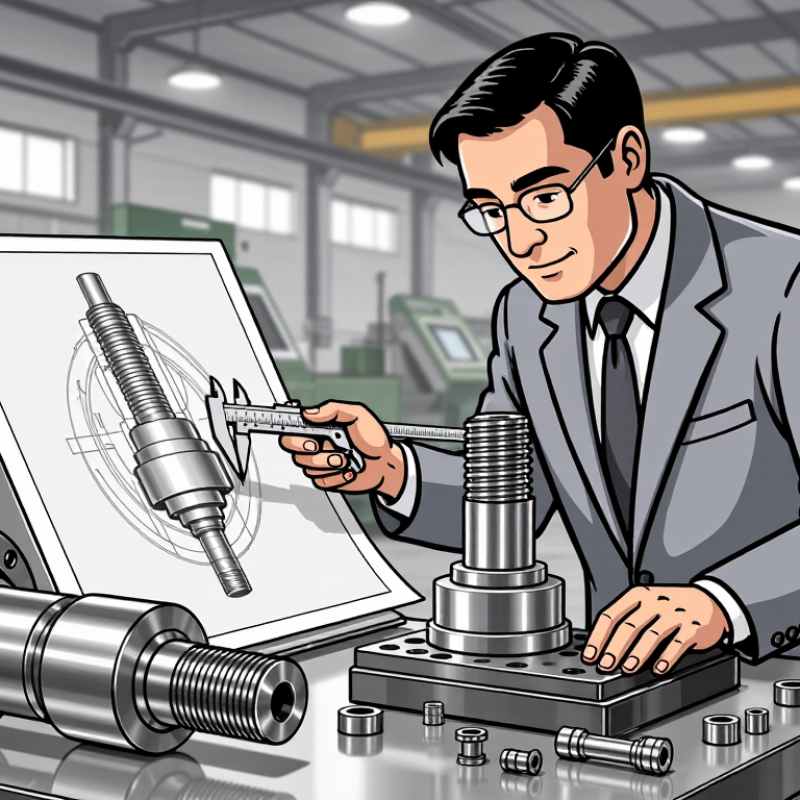
A dependable extruder parts supplier should be able to work from your drawings, operating conditions, and wear history. Ask how they control dimensions such as screw flight diameter, barrel bore, and shaft runout. Request material specifications and inspection records for the exact part you plan to buy. A clear answer matters.
Check the supplier’s machining and measurement capabilities. For a critical screw or barrel, ask how they verify tolerances and surface finish, and whether they can share a sample inspection report. If possible, review a trial part before placing a larger order. Look closely at threads, edges, and finish. Small defects can cause installation delays.
Delivery promises need evidence, too. Ask for a realistic production schedule, packaging details, and a process for handling nonconforming parts. Compare the full cost, including tooling, freight, and replacement terms, rather than choosing by unit price alone. Communication is part of quality. A supplier that flags a drawing conflict early may save time, though a smooth sales conversation is not proof of reliable production. Even a careful audit can miss problems, so keep inspection criteria in writing and reassess after the first delivery.





