Top Electric Generator Types for Your Energy Needs?
As the demand for reliable energy sources grows, understanding the various types of Electric Generators becomes essential. According to a report from Global Market Insights, the electric generator market is projected to reach over $30 billion by 2026. These devices transform mechanical energy into electrical energy, catering to diverse needs across industries and households.
Renowned energy expert Dr. James Hart mentioned, “Choosing the right electric generator can significantly impact efficiency and cost.” This insight emphasizes the importance of selecting an appropriate generator type to meet specific energy demands. The market offers a range of options, from portable generators for home use to industrial-grade systems for large-scale operations.
However, selecting the ideal electric generator is not always straightforward. Factors such as fuel type, output capacity, and intended use require careful consideration. While many consumers opt for diesel generators due to their durability, alternatives like solar or wind-powered generators are gaining traction. This trend highlights a need for thorough research and reflection on energy choices to ensure sustainability and efficiency.
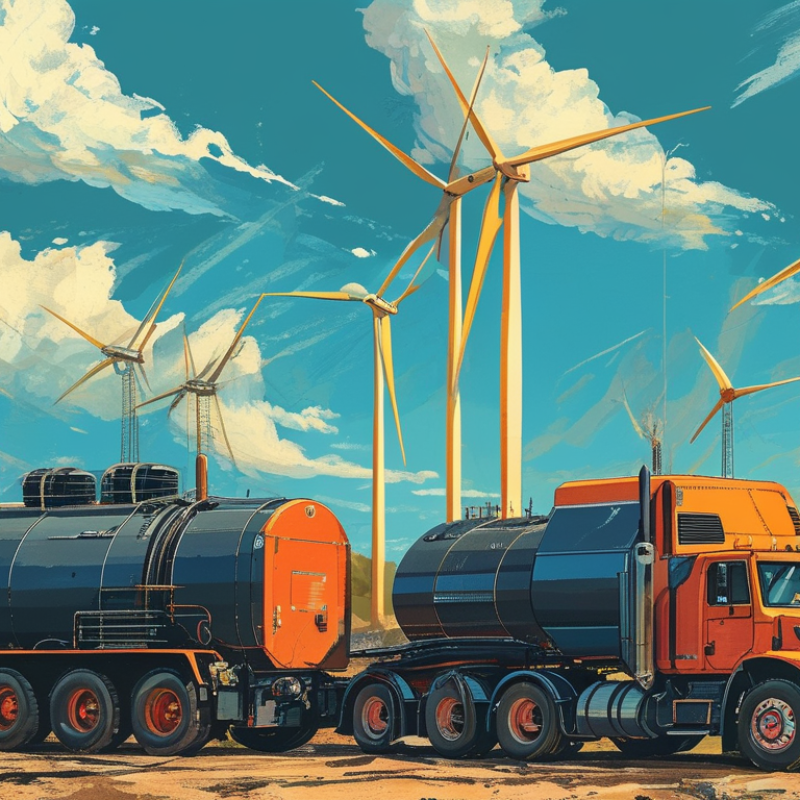
Types of Electric Generators: An Overview
Electric generators come in various types, each serving specific energy needs. Portability is a significant factor for many users. Portable generators, for instance, are excellent for camping or emergency backup. They operate on gasoline and can power essential appliances during outages. However, they may lack the capacity for larger power needs.
In contrast, standby generators offer a different kind of reliability. These units connect directly to a home’s electrical system. They automatically engage when power fails, ensuring a seamless energy supply. Yet, installation can be costly and complex, requiring professional input. Evaluating one’s energy consumption is crucial here.
Solar generators are gaining traction as eco-friendly alternatives. They harness sunlight to generate electricity, ideal for remote locations. But their reliance on sunny conditions can be a limitation. Additionally, battery storage is essential in such setups to ensure sufficient power at night or on cloudy days. Understanding these distinctions helps individuals make informed decisions.
Portable vs. Standby Generators: Key Differences
When choosing between portable and standby generators, understanding their key differences is essential for your energy needs. Portable generators are compact and easy to move, making them ideal for short-term use. In fact, the Portable Generator Manufacturers' Association (PGMA) reports that nearly 60% of homeowners use them for outdoor activities and emergency power. They can power essential appliances, but their output is limited.
On the other hand, standby generators are permanently installed and automatically activate during power outages. These generators typically provide more power and can run larger systems. According to the National Electrical Manufacturers Association (NEMA), standby generators can support whole-house operations, giving homeowners peace of mind. However, installation costs can be high, often ranging from $3,000 to $15,000, depending on capacity.
**Tip:** Assess your power needs before making a decision. Calculate the wattage required for essential appliances. This will help determine if a portable or standby generator is more suitable for your home.
**Tip:** Consider maintenance. Portable generators require regular fueling and oil changes, while standby generators typically require less frequent service. Evaluate your willingness to maintain the equipment before choosing.
In summary, both generator types serve vital roles, yet each caters to different situations. Be aware of your preferences and the specific demands of your home energy usage.
Renewable Energy Generators: Solar, Wind, and Hydro Options
Renewable energy generators are essential for a sustainable future. Solar energy leads the charge. In 2022, solar capacity reached 1,000 gigawatts in the U.S. alone, according to the Solar Energy Industries Association. This shift towards solar has made significant impacts. Homes are using more rooftop panels. Yet, the initial installation costs can be a hurdle for many.
Wind energy is another strong contender. The American Wind Energy Association reported that the total installed wind capacity surpassed 142 gigawatts in 2022. Wind farms can produce energy for thousands of homes. However, they face criticism over their impact on wildlife and noise complaints. Innovations are addressing these issues, but challenges remain.
Hydropower continues to provide substantial energy. It generates nearly 37% of the world’s renewable energy, as stated by the International Hydropower Association. Large dams can produce vast amounts of electricity but also disrupt local ecosystems. Small-scale hydro options are growing in popularity, offering a potential balance. Each of these renewable technologies has unique strengths and hurdles. The transition to cleaner energy is a complex journey requiring careful consideration.
Factors to Consider When Choosing an Electric Generator
Choosing the right electric generator is vital for your energy needs. Many factors influence your decision. First, consider your power requirements. Identify the total wattage of your appliances. It's essential to have a clear understanding of how much energy you will need during an outage or for off-grid use.
Another critical factor is the fuel type. Generators can run on gasoline, diesel, propane, or natural gas. Each fuel type has its own advantages and disadvantages. For example, gasoline is widely available but can be less efficient. On the other hand, propane offers longer storage life.
Tips: Evaluate your space and storage options as well. Some generators are compact, while others require more room. If you need portability, look for lightweight models.
Noise levels are also worth considering. Some generators can be extremely loud, which may not be ideal for residential areas. Research the decibel ratings to ensure you choose a quieter option. This can significantly affect your comfort and compliance with local restrictions.
Last, think about maintenance. Generators need regular upkeep, including oil changes and battery checks. Look for models with easily accessible parts. A reliable generator should have a maintenance-friendly design. It can be frustrating if replacement parts are hard to find or if the maintenance is too complicated.
Top Electric Generator Types for Your Energy Needs
This chart shows the power output in kilowatts (kW) for various types of electric generators including Portable, Inverter, Standby, Solar, and Wind Generators. Consider these options based on your energy needs and usage scenarios.
Maintenance and Safety Tips for Electric Generators
Electric generators are essential for providing backup power during outages. However, they require proper maintenance and safety precautions to ensure reliable operation. Regular maintenance can prevent costly repairs and enhance the lifespan of your generator.
Tips for maintaining your generator include regular oil changes and fuel inspections. Check the air filter and spark plugs at least once a year. Keeping the generator clean can also make a difference. Dust and debris can hinder performance, so wipe down the exterior regularly.
When it comes to safety, always use the generator outdoors. Carbon monoxide buildup can occur in enclosed spaces. Ensure proper ventilation when operating your generator. Another critical point is to use heavy-duty extension cords rated for the generator's power output. This reduces the risk of power surges and ensures devices receive safe electricity. Investing time in these practices will make a significant difference in performance and safety.





