


Who Are the Top Dust Proof Mask Suppliers in China?

Dust Proof Mask sourcing in China spans disposable particulate masks, reusable facepieces, and task-specific designs. The challenge is not finding factories. It is comparing what they actually make. A smooth product photo cannot show filtration performance, edge leakage, or batch consistency.

The need for reliable respiratory protection is clear. The International Labour Organization’s 2023 global estimates report nearly 2.93 million work-related deaths each year, with occupational diseases accounting for most. This figure covers many hazards, not dust alone, but it underscores why protective equipment deserves careful evaluation. Grand View Research’s respiratory protective equipment market analysis also tracks demand across workplace and industrial applications. Market estimates differ by scope, so they should be read as indicators, not guarantees of supplier quality.

This guide examines Chinese suppliers through practical criteria: product range, documented testing, manufacturing capability, customization, and communication. Look for clear specifications, traceable test reports, and samples that match the stated model. Ask how the supplier controls filter materials and production batches. Small details matter. A nose clip that holds its shape, or a seal that sits evenly, can change the user experience. Supplier claims still need verification. Even a polished catalog can leave unanswered questions, and this guide cannot replace independent product testing.
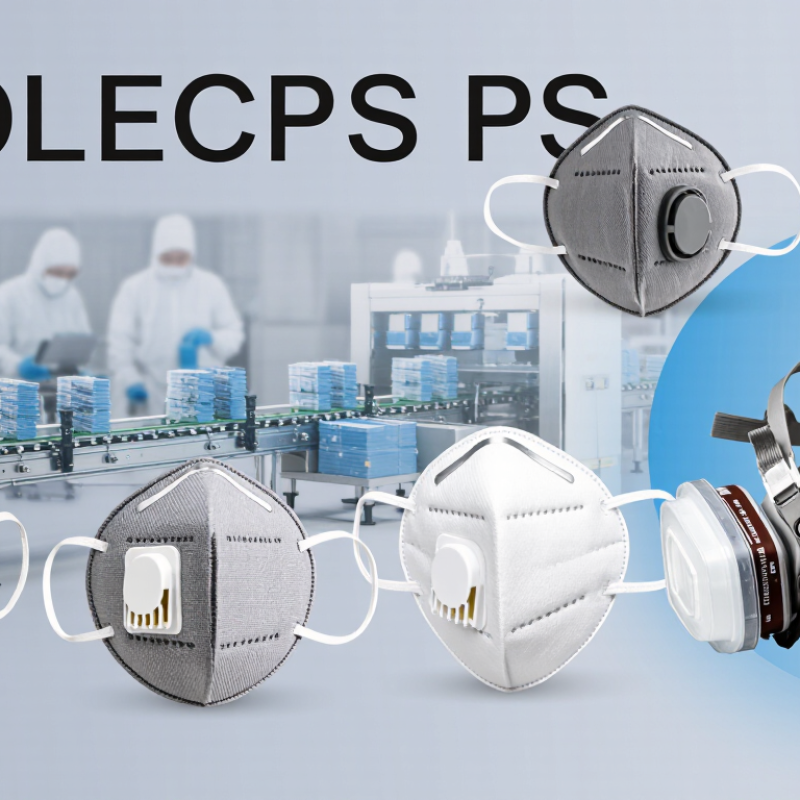
Who Are the Top Dust Proof Mask Suppliers in China?

What Are Dust Proof Masks and Where Are They Used?

Dust proof masks are face coverings designed to reduce inhalation of airborne particles such as sawdust, soil, flour, and some construction dust. The term is broad. A loose disposable mask may not provide the protection of a certified respirator. NIOSH states that N95 respirators filter at least 95% of test particles under certification conditions; real-world protection also depends on fit and correct use. A gap near the nose can matter.

These masks are used in woodworking shops, construction zones, farms, mines, and dusty warehouses. Fine silica dust deserves special care during tasks such as cutting concrete. OSHA’s respirable crystalline silica standard sets an eight-hour exposure limit of 50 micrograms per cubic meter for covered workplaces. That figure is a useful reminder: a mask alone does not control dust. Ventilation, wet methods, and dust collection may also be needed. In practice, workers sometimes reach for whatever mask is nearby. That habit deserves a second look.

Tips: Check the product’s certification and intended particle type. Choose a snug fit, inspect the seal, and replace damaged or dirty masks. Facial hair can weaken the seal. When dust remains visible, pause and improve the controls.


Who Are the Top Dust Proof Mask Suppliers in China? What Are Dust Proof Masks and Where Are They Used?

Dust-proof masks are respirators designed to reduce exposure to airborne particles. They are commonly used in construction, woodworking, mining, and other dusty work environments.

About the chart: Values show the minimum filtration efficiency specified for each listed class. Certification standards use different test methods, so the figures are not a direct measure of equivalent real-world protection. Select respirators according to the workplace hazards and applicable regulations; particulate masks do not protect against gases or vapors.

How Are Leading Chinese Dust Proof Mask Suppliers Identified?

How Are Leading Chinese Dust Proof Mask Suppliers Identified?

Leading suppliers are assessed through evidence, not polished product photos. Check whether they can explain the mask’s intended use, filtration performance, breathing resistance, and fit limitations in clear terms. Ask for current test reports and confirm that the tested model matches the mask being offered. Specifications should be consistent across samples, labels, and production documents.

Production controls matter too. Request details on incoming material checks, batch records, and how defects are handled. A supplier should be able to trace a sample batch and describe what happens when a quality issue appears. Where possible, review the factory or arrange an independent inspection. A neat certificate folder is reassuring, but it does not prove every shipment is consistent. Communication also offers clues: vague answers about capacity or testing deserve follow-up. No checklist is perfect; even experienced buyers can miss small differences between samples and bulk orders.

Tips: Compare samples under the same conditions, record fit and comfort observations, and verify reports with the issuing lab when practical. Keep written specifications and approval samples. Don’t rely on price alone.

Which Chinese Suppliers Offer Dust Proof Masks?

Chinese suppliers of dust-proof masks range from specialist respirator manufacturers to broader protective-equipment factories. Some focus on disposable nonwoven masks for sanding, woodworking, and warehouse cleanup. Others make reusable facepieces with replaceable filters for repeated industrial use. The product range matters more than a supplier’s headline capacity.

When comparing suppliers, request the model’s intended-use description, filtration test reports, and clear photos of straps, nose clips, and filter connections. Ask how batches are inspected and whether the factory can provide traceable production records. For a trial order, check fit across different face shapes, breathing resistance, and seal stability during movement. Small details count. A mask that slips while bending may be a poor choice, even when its fabric looks dense.

Reliable suppliers answer technical questions directly and explain what their masks do not protect against. Confirm sample consistency before discussing large quantities, and compare lead times, packaging, and replacement-filter availability. Dust types differ, and a general-purpose mask may not suit every worksite. I would not rely on product photos alone; documents can be incomplete, and that deserves a second check.

Who Are the Top Dust Proof Mask Suppliers in China? - Which Chinese Suppliers Offer Dust Proof Masks?

The table below compares common Chinese supplier profiles and the evidence buyers can use to assess them. It is a sourcing guide, not a verified ranking of individual companies.

Supplier profile Typical dust-mask offerings Standards and documents to check Useful buyer checks
Industrial respirator manufacturers Disposable particulate respirators, including cup-shaped and fold-flat designs; some models have an exhalation valve. For products sold as Chinese standard-compliant respirators, check the applicable edition and test evidence for GB 2626. Confirm the exact model and classification shown on its documentation. Request model-specific test reports, labeling details, fit guidance, production-lot traceability, and samples for wearer fit checks.
Protective-equipment specialists A broader range of respiratory protective equipment, potentially including disposable respirators and reusable masks with replaceable particulate filters. Check the standard and certification applicable to each complete mask-and-filter configuration. Evidence for one filter or model should not be assumed to cover another. Verify filter compatibility, replacement availability, instructions for use, and whether the supplier manufactures the products or resells them.
Medical-mask manufacturers with respirator lines May offer both medical masks and particulate respirators; these product types have different intended uses and requirements. Check the product’s stated intended use and the applicable standard. Medical-mask documentation does not by itself establish particulate-respirator performance. Ask for separate documentation for each product category and confirm the exact item, model, and manufacturing site covered.
OEM and private-label producers Custom packaging or labeling for disposable dust respirators, subject to the producer’s available models and applicable rules. Confirm that test reports, certificates, and product markings match the supplied model and the final labeled product. Agree on approved samples, packaging artwork, inspection criteria, change-control procedures, and batch documentation before ordering.
Export-focused manufacturers and trading suppliers Products selected for export markets, with available models and documentation varying by supplier and destination. Check the destination market’s requirements independently. A supplier’s export experience or a general quality certificate is not proof that a specific mask meets a required product standard. Identify the actual manufacturer, verify documents with the issuing body where possible, and confirm labeling, shipping, and import requirements.

Note: “Dust proof mask” is a broad commercial term. Select respiratory protection based on the hazard, the applicable standard, and a proper fit; a filtration claim alone does not guarantee protection in use.

How Do Suppliers Compare in Quality, Certifications, and Production Capacity?

Compare dust mask suppliers on verified performance, not polished product photos.

Grand View Research valued the global respiratory protective equipment market at US$8.55 billion in 2023, forecasting 6.7% annual growth through 2030. This broad category includes more than dust masks, but its scale highlights why quality controls matter.

Request current test reports for the exact mask model, plus batch records and traceability details. For China-market products, check applicable GB 2626-2019 requirements; export requirements vary by destination. ISO 9001 supports quality management, but it does not prove a mask meets a filtration standard.

Production capacity needs evidence too.

Ask for monthly output, lead times, and peak-season delivery records. A factory’s stated capacity may not reflect available lines or material supply. Review audit findings and inspect how incoming filter material, nose clips, and finished masks are sampled.

Small details matter. A clear rejection process is reassuring. Still, documents can look strong while shipment performance falls short; request recent, verifiable delivery data before comparing quotations.

Tips: Compare like with like: same mask class, test method, order size, and delivery terms. Ask for a pre-shipment sample and confirm that its labeling matches the test documents. If answers are vague, pause. That hesitation can prevent a costly mismatch.

What Should Buyers Consider When Choosing a Supplier?

When choosing a dust-proof mask supplier in China, look beyond price and polished product photos. Ask for the mask’s intended use, filtration details, material specifications, and test reports. Confirm that the documents match the exact model you plan to buy. Requirements can vary by destination market, so verify the applicable standards before placing an order. Fit matters. A mask with strong test results may still perform poorly if it does not seal comfortably on different faces.

Check how the supplier controls production. Ask whether incoming materials and finished batches are inspected, and how defects are recorded. Request samples from regular production, not only specially prepared samples. Compare stitching, nose-clip strength, strap tension, and packaging labels. Discuss minimum order quantities, lead times, and how the supplier handles changes or delayed shipments. A clear answer is useful; a specific answer is better. Still, no checklist can guarantee that every batch will be identical, so agree on practical inspection steps before production.

Tips: Keep written records of product specifications and sample approvals. Ask for recent, model-specific test documents, and have them checked by a qualified testing provider when needed. Test comfort with intended users before ordering at scale. A brochure is not enough. Pay attention to how quickly the supplier responds when you raise a small concern; communication can reveal gaps that a price sheet will not.

Powder Coat Booths

For those larger-sized parts, or smaller quantity runs, we have 2 independent powder coat booths and ovens. The quality, durability and affordability of today’s powder coating finishes make this the process of choice for world-class companies.

Powder coating advantages over other forms of coating are many. Materials used in the Powder coating process can be metals and non-metals that come in a multitude of thicknesses, textures, colors, etc. Another of Powder coating’s biggest advantages over conventional coatings is its ability to create finishes in many different textures. Powder Coating Booths allow us the ability to apply these advantages to large products.

Wet Paint Line

Tri-State Fabricators runs a full-service conveyor line for painting. Wet painting can provide protection or decoration to many different part styles. From start to finish, every project is easier to undergo random and point-based inspection by our skilled painting team.

Advantages to our Wet Paint Line are these lines start with product prep and ends with a thorough inspection of a high quality finished product. Our ability to complete large and small projects with a superior finish and doing so in a timely and economical fashion. This passes along the savings in production to our customers. When powder coating ins not an option, our Wet Paint Line gets the job done right the first time.

Wet Paint Booths

When the parts get big and heavy we roll-out our custom paint racks and oversize booth. By utilizing our partnerships with all the major paint brands, we can match virtually any color with wet paint.

The advantages of having access to a Wet Paint Booth are many. Large projects of many different shapes can be loaded into the booth. The Wet Paint Booth offers an environment that is much more controlled than a typical parts painting operation.

Not only are they used because of their controlled environment, but they’re are also advantageous when it comes to applying paint to parts that are needed in industries that require specialty coatings such as medical, aerospace, etc.

Military CARC

Our military forces have some very high standards when it comes to the finish of their vehicles and equipment. From the first pre-treatment step to final coat, it takes a great deal of knowledge and experience to protect the men and women of our armed forces. They deserve only the best, and Tri-State Fabricators provides it.

All of our processes are closely monitored by our staff and management teams. Both of which are highly trained in the processes of metal fabrication and finishing. Tri-State Fabricators’ goal is to always fully satisfy each and every customer, including the military. We will always put a 110% into what we do.

Glass-Bead Blasting

Abrasive media blasting is an excellent way to remove old paint, rust, and increase the paint/powder adhesion. Glass beads produce a much smoother and brighter finish than angular abrasives; leaving the part clean yet without any dimensional change. Chemically inert and environmentally friendly, we can recycle our beads approximately 30 times; making them a more preferred method of metal cleaning or surface finishing.

Advantages to Glass Bead Blasting are many. Glass bead blast media is used when a project is needing rough surfaces need to become smooth for applications of coatings such as paint. It is typically used to clean paint and rust from a product surface without deforming the surface it is being used on. Overall, compared to many other blasting media, Glass Bead Blasting is a very economical choice and those savings are always passed on to our customers.

Part Washing

Tri-State Fabricators utilize a zinc phosphate wash to clean and etch the material to ensure the best paint adhesion possible. The unique design of our 3-stage wash system does the work like a 5-stage. From Cleaning and rinsing to conversion coating and post-treatment, Our Part Washing process is a complete service and works throughout the fabrication service and the finishing service.

Along with the previously mentioned benefits, Curing is a vital chemical reaction that leaves the product finish hard and relatively safe from mild abrasion and aggressive corrosion. This process can be done in more than one way; ambient air-dry or in curing ovens at temps that exceed 240°.

Burn-Off Oven

From fixing paint mistakes (someone else’s of course) to simply cleaning our paint line hooks, our burn-off oven is put to good use. After a quick burn-off, a little clean up, and a fresh coat of paint, your parts will look better than new.

Why does our Burn-Off Oven work so well? Because super heating the air around parts turns the materials into ashes. From paint and powder coatings to rubber and machining oils, high temps do the job without degrading the integrity of the part.

Masking

Masking is a vital part of producing high quality products. We have die-cut masking patterns to protect machined surfaces as well as a wide range of plugs and caps to protect threaded holes and bolts. We provide permanent and temporary masking.

Masking allows the selected sections of a product to be protected from a fabrication or finishing service. This can be with both chemicals when etching and tapes, paints when only finishing just a section of the product. Masking is great in aiding the customization process of a project.

Screen Printing

Screen printing is a photographic process that transfers artwork onto a porous nylon screen which allows colored ink to flow through the screen and be deposited on an aluminum or plastic component. We can generally have just about any design created onto a screen for your parts.

Some of the advantages of Screen Printing are, brand recognition for your business displaying on your products, assembly instructions, product warnings/hazards, etc. Tri-State Fabricators produces Screen Printing of the highest quality so you know it’s durable.

Metal Finishing

Metal Finishing is the art of treating the exterior portion of product, often metal but can also be made of other materials, so that the surface is clean and free of any debris. Then the process of applying coats or either paint of powder coat takes place. This coating process improves the quality of the product in both appearance and resistance to wear and corrosion.

Tri-State Fabricators, Inc., understands that a project typically isn’t complete until a high-quality finish has been added to your product. This is why our painting and powder coating teams continuously inspect the products throughout the Metal Finishing process.
