China Top Drawn Steel Wire Equipment Suppliers?
China’s drawn-wire industry includes equipment makers serving steel, fastener, welding, and construction-material producers. Yet “top supplier” depends on the job. A compact line for fine wire has different needs from a heavy-duty system processing high-carbon rod. Buyers should compare machine capacity, die-box design, cooling, take-up control, automation, and after-sales support—not just the headline speed.
A practical expert viewpoint can help frame the comparison. Since no source or interview was provided, the following is an illustrative composite, not a verified quotation: Lin Wei, a representative wire-drawing process engineer, might say, “A stable line matters more than a fast line that cannot hold its settings.” The point is concrete: watch how consistently a machine handles tension, heat, and wire diameter across a production run. Ask suppliers for sample data, commissioning details, spare-parts lead times, and references from plants using similar materials.
Small details matter. A smooth capstan surface, accessible lubrication points, and a clear control-screen layout can affect daily operation. Product brochures rarely show the whole picture. This overview will examine Chinese suppliers by equipment range, engineering support, customization, and evidence of performance. It will also note where public information is thin. No ranking can replace a factory visit or a carefully defined trial, and even a polished comparison may miss a buyer’s specific constraints. The goal is a useful shortlist, not a promise of a perfect match.
What Is Drawn Steel Wire Equipment?
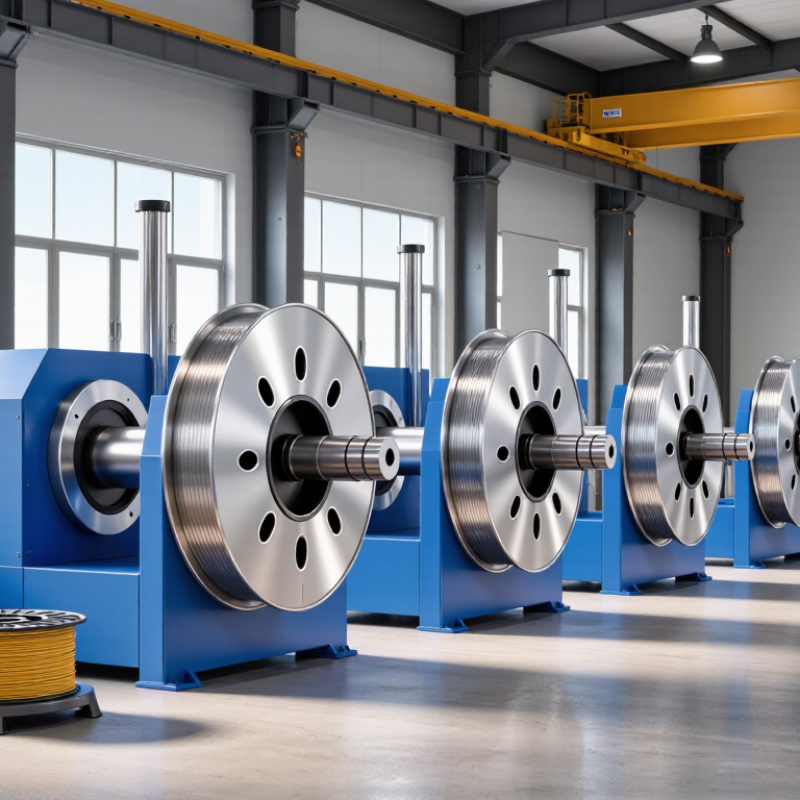
Drawn Steel Wire Equipment is a production line that reduces a steel rod’s diameter by pulling it through one or more hardened dies. The process changes the rod into wire with a more consistent size and surface. A typical line includes a pay-off unit, die holders, capstans, a lubrication system, and a take-up machine. Speed controls and guards help operators manage steady production. The exact setup depends on the steel grade, starting rod size, target diameter, and required finish. One machine cannot suit every job.
Tips: Check the working diameter range, reduction per pass, and lubrication method against your actual material. Ask for sample-run data, not only rated speed. Small details matter.
In practice, wire drawing is sensitive to die wear, alignment, and cooling. A worn die may leave marks or produce uneven dimensions. Poor lubrication can raise heat and increase wire breaks. Suppliers should explain maintenance intervals, spare-part access, and how the line handles changeovers. Compare these details alongside output and automation claims. Catalog diagrams look tidy; real production can be less predictable, especially with different rod batches. Trial runs help reveal those limits.
How Does the Wire Drawing Process Work?
Wire drawing reduces a steel rod’s diameter by pulling it through a shaped die. The rod becomes longer as its cross-section shrinks. It is a controlled forming process, not metal removal. World Steel Association’s World Steel in Figures 2024 reports 1,892.2 million tonnes of crude steel production in 2023, showing the scale of the material supply behind downstream wire products.
Before drawing, operators remove scale and apply lubricant to the rod. They sharpen one end, feed it through the die, then secure it to a rotating capstan. Each pass makes a modest reduction; several dies may be needed to reach the target diameter. Small changes matter. Die condition, lubrication, and pulling speed affect surface finish and wire strength. Poor control can leave scratches, breaks, or uneven dimensions.
Some grades need intermediate annealing when repeated drawing makes the wire too hard or brittle. The exact schedule depends on steel composition, reduction, and the intended use. Heat is the quiet risk. Excessive temperature can alter properties, while insufficient control may leave uneven hardness. Final checks commonly include diameter, tensile strength, and visual surface inspection. A useful process record links these results to each drawing pass; in practice, that record is not always complete, and it deserves more attention.
What Types of Equipment Do Chinese Suppliers Offer?
Chinese suppliers offer equipment for several stages of steel wire production, from rod breakdown to finished-wire handling. Rod breakdown machines reduce thicker steel rod through a sequence of dies. Intermediate and fine drawing machines make smaller diameters, with configurations chosen for the target wire size and output.
Dry drawing lines commonly use drawing powder, while wet drawing machines use a liquid lubricant and cooling system. Each approach has trade-offs in maintenance, cleanliness, and process control. Not every line fits. Die holders, capstans, and tension settings must match the material and production plan. A machine’s advertised speed alone says little about stable operation.
Suppliers may also provide payoff stands, take-up units, spoolers, straightening and cutting machines, and inline inspection equipment. Heat-treatment equipment, such as continuous annealing systems, may be included when the wire needs adjusted mechanical properties.
Small details matter. Ask how the line controls wire tension, handles changeovers, and supports routine die replacement. These details affect downtime on a real factory floor.
A useful supplier discussion should cover wire grade, diameter range, batch size, and available floor space. Specifications can look complete on paper, yet trial runs may reveal awkward threading or inconsistent winding. It is worth checking those points before choosing a configuration.
Which Factors Distinguish Leading Chinese Suppliers?
Leading Chinese drawn steel wire equipment suppliers stand apart through process control, not polished brochures. A capable team can explain how die alignment, capstan speed, cooling, and tension affect surface finish and diameter consistency. Ask for operating data on wire grades and sizes similar to yours. A machine that runs well on a sample may behave differently during a full shift. That gap matters.
Reliable suppliers also document commissioning, operator training, spare-part availability, and response times. Review drawings, acceptance criteria, and test records before placing an order. Check whether electrical controls and safety guards suit your plant layout. References from comparable production lines can reveal practical strengths, though one reference is never proof. Some details are easy to miss. Ask about changeover time, too; suppliers may not volunteer it.
Tips: Request a witnessed trial using your material, then measure diameter variation, tensile results, surface condition, and output rate. Agree on the measurement method in writing. Keep the test modest but realistic. Compare total operating costs, including dies, energy, maintenance, and downtime—not only the purchase price. A supplier who states limitations plainly may be more dependable than one promising perfect results. Even so, verify claims independently.
How to Evaluate and Select a Drawn Steel Wire Equipment Supplier?
Selecting a drawn-steel-wire equipment supplier starts with the wire, not the catalogue. Define your incoming rod grades, target diameters, tensile strength, and required output. The World Steel Association’s World Steel in Figures 2024 reports 1,892.2 million tonnes of crude steel production in 2023. That scale signals a broad industrial base, but it does not prove a supplier can meet your wire specifications. Ask for test results from comparable materials.
Inspect the line in operation. Check drawing speed, motor load, die changes, lubrication control, and finished-wire consistency. Ask the supplier to run your own rod and record diameter variation, tensile strength, and break frequency. Numbers matter. The International Energy Agency’s Iron and Steel Technology Roadmap (2020) estimates that steelmaking accounts for about 8% of global final energy demand. Drawing is a different process, yet this makes energy use and motor efficiency worth measuring, not guessing.
Review installation, operator training, spare-part lead times, and remote troubleshooting before signing. Request a factory acceptance test with agreed pass criteria, then confirm who pays if results fall short. A polished demonstration can still hide downtime between runs. I would also speak with a current user operating similar wire sizes; that check takes effort, but it can reveal practical issues missing from the proposal. No checklist replaces a careful trial.
How to Evaluate a Drawn Steel Wire Equipment Supplier
Example evaluation weights for comparing suppliers. Adjust them to your wire specifications, production needs, and service requirements.
The percentages are a suggested buyer-defined scoring framework, not measured market statistics. Together, the criteria total 100%.





