


Choosing the right Dprofy product in 2026 starts with a simple question: what do you need it to do? A popular item may not suit every home, routine, or budget. Product names and specifications can also change, so current details matter.
This guide looks at leading Dprofy options through practical criteria: stated features, intended use, available pricing, warranty information, and customer support. Where reliable product details and independent feedback are available, they help put brand descriptions in context. Small differences can matter. A compact design, a clear setup process, or easy-to-find replacement parts may affect daily use more than an impressive feature list.
The aim is to help readers compare options, not declare one universal winner. Check current listings before buying, since availability and specifications may vary by seller or region. Treat broad marketing promises with care, and compare like with like. A ranking can miss personal needs; that is worth remembering. The sections ahead will outline what each highlighted Dprofy product appears best suited for, what to examine closely, and which questions remain unanswered. Where evidence is limited, the guide will say so rather than fill gaps with confident guesses. That is less flashy, perhaps, but it makes the comparison more useful.
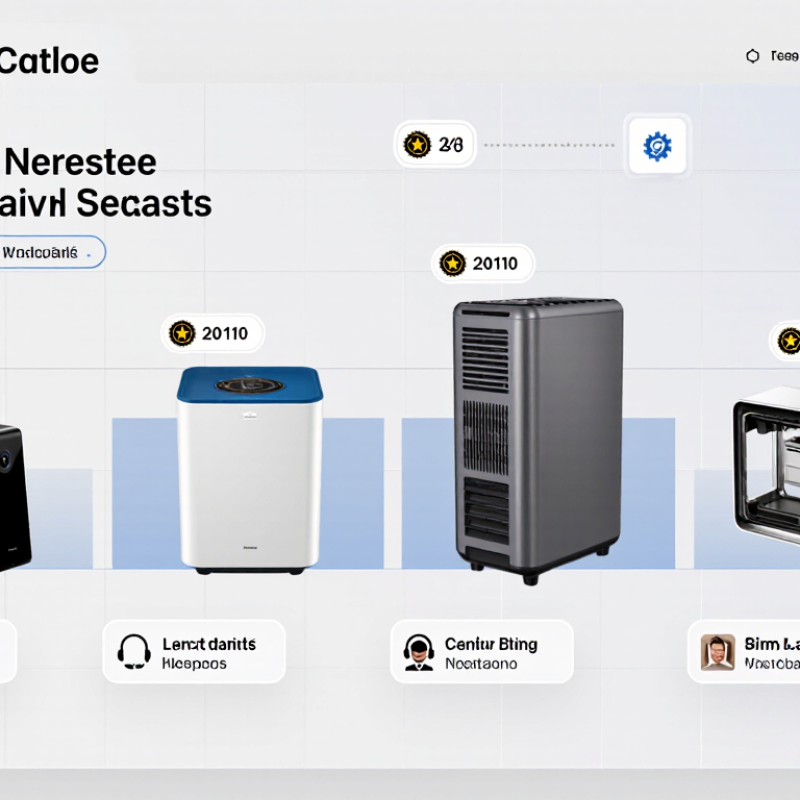
In 2026, understanding a product range starts with checking what is actually listed, not relying on broad claims. A clear catalog should identify each item’s purpose, key specifications, included accessories, and compatibility. Look for practical details such as dimensions, materials, power requirements, and care instructions. These facts help readers compare options without guessing.
Details matter. A compact device may suit a small desk, while a larger model could offer more capacity but need extra space. Product names alone rarely explain the difference. Check dated specifications and current availability, since listings can change during the year. If a feature is not documented, treat it as unconfirmed rather than assuming it is included. That is a cautious approach, though it can make comparisons slower.
For a reliable overview, compare the same criteria across every listed item: intended use, setup requirements, warranty terms, and support information. Reviews can add useful real-world observations, especially about noise, ease of cleaning, or everyday handling. Still, one person’s experience is not a guarantee. Some descriptions may also feel incomplete. That is worth noticing. A careful reader can separate verified specifications from promotional language and decide which details need further checking.

A careful product review begins with a clear use case, not a polished feature list. Evaluators should test products under ordinary conditions and record what happens. For a small device, that might mean checking setup time, button response, heat, and performance after several hours. For a daily-use item, comfort and cleaning may matter more than extra functions. Details count.
Comparisons should use the same tasks, settings, and time periods. Reviewers can note measured results, such as battery life or setup duration, while separating them from personal impressions. A useful assessment also checks instructions, material quality, warranty terms, and access to replacement parts. If a result changes between tests, report the range instead of choosing the most flattering number. That is less tidy, but more honest.
Evidence has limits. A short trial cannot show how a product performs after a year, and one reviewer’s preferences may not match another’s. Strong evaluations explain sample size, test conditions, and any gaps in access. They also revisit conclusions when better evidence appears. No scoring system is perfect. Readers should be able to see why an item earned its rating and decide whether those priorities fit their own needs.
Choosing top products by category makes comparison clearer than ranking everything together. For portable electronics, check battery capacity, charging time, weight, and warranty terms. A device that lasts through a commute may still feel awkward in a small bag. Details matter.
For home and office equipment, look at noise, dimensions, setup steps, and replacement-part availability. Measure the desk or shelf before ordering; photos can make compact products look larger. For accessories, prioritize fit, material, and compatibility with devices you already own. A low price means little if a cable or case fails quickly. Keep receipts.
A reliable category review should separate verified specifications from personal impressions. Compare listed measurements with independent test results when available, and note how each product was evaluated. The labels can blur, though: a useful accessory may solve a bigger problem than a headline device. That is easy to overlook. I would also leave room for uncertainty, since long-term durability is hard to judge from a brief test. Check return policies and support options before deciding.
In 2026, the most useful products are often those that solve one clear, everyday problem. A compact device with simple controls may suit a small desk, while a larger model can work better in a shared room. Look for readable displays, sturdy buttons, and settings that are easy to adjust without opening an app. Small details matter.
For home use, prioritize quiet operation and parts that are easy to clean or replace. A filter, cable, or removable tray should be simple to access, not buried behind a confusing panel. For travel, check weight, charging options, and whether the product fits in a backpack pocket. Portability is more than a small size.
Features can sound impressive, but real use is less tidy. A product with many modes may take longer to set up than a basic model. Compare published specifications with independent reviews, and check the warranty and support terms before buying. One limitation is that online ratings may not reflect long-term durability. If possible, test the controls in person and note whether routine tasks feel straightforward. A good choice should fit the user’s space, habits, and budget—not just a feature list.
Comparing products in 2026 starts with the job you need them to do. Write down your main use, available space, and a realistic budget before browsing. Then check dimensions, materials, included accessories, and care instructions. A product that looks compact in a listing may feel bulky on a crowded desk. Measure the spot yourself. Small details matter.
Read specifications alongside independent reviews, not instead of them. Look for repeated comments about setup, durability, and everyday performance. One glowing review proves little; a pattern across several reviews is more useful. Compare warranty length, return conditions, and how easily you can contact support. The awkward part is weighing features you may never use against a simpler option that fits better. I would not treat the highest price as proof of quality, either. Check whether the listed benefits solve a real problem in your routine. If two options seem close, save their specification sheets and compare them line by line. Be cautious when a listing leaves key details unclear. That uncertainty is worth considering before you buy.


For those larger-sized parts, or smaller quantity runs, we have 2 independent powder coat booths and ovens. The quality, durability and affordability of today’s powder coating finishes make this the process of choice for world-class companies.
Powder coating advantages over other forms of coating are many. Materials used in the Powder coating process can be metals and non-metals that come in a multitude of thicknesses, textures, colors, etc. Another of Powder coating’s biggest advantages over conventional coatings is its ability to create finishes in many different textures. Powder Coating Booths allow us the ability to apply these advantages to large products.
Tri-State Fabricators runs a full-service conveyor line for painting. Wet painting can provide protection or decoration to many different part styles. From start to finish, every project is easier to undergo random and point-based inspection by our skilled painting team.
Advantages to our Wet Paint Line are these lines start with product prep and ends with a thorough inspection of a high quality finished product. Our ability to complete large and small projects with a superior finish and doing so in a timely and economical fashion. This passes along the savings in production to our customers. When powder coating ins not an option, our Wet Paint Line gets the job done right the first time.
When the parts get big and heavy we roll-out our custom paint racks and oversize booth. By utilizing our partnerships with all the major paint brands, we can match virtually any color with wet paint.
The advantages of having access to a Wet Paint Booth are many. Large projects of many different shapes can be loaded into the booth. The Wet Paint Booth offers an environment that is much more controlled than a typical parts painting operation.
Not only are they used because of their controlled environment, but they’re are also advantageous when it comes to applying paint to parts that are needed in industries that require specialty coatings such as medical, aerospace, etc.
Our military forces have some very high standards when it comes to the finish of their vehicles and equipment. From the first pre-treatment step to final coat, it takes a great deal of knowledge and experience to protect the men and women of our armed forces. They deserve only the best, and Tri-State Fabricators provides it.
All of our processes are closely monitored by our staff and management teams. Both of which are highly trained in the processes of metal fabrication and finishing. Tri-State Fabricators’ goal is to always fully satisfy each and every customer, including the military. We will always put a 110% into what we do.
Abrasive media blasting is an excellent way to remove old paint, rust, and increase the paint/powder adhesion. Glass beads produce a much smoother and brighter finish than angular abrasives; leaving the part clean yet without any dimensional change. Chemically inert and environmentally friendly, we can recycle our beads approximately 30 times; making them a more preferred method of metal cleaning or surface finishing.
Advantages to Glass Bead Blasting are many. Glass bead blast media is used when a project is needing rough surfaces need to become smooth for applications of coatings such as paint. It is typically used to clean paint and rust from a product surface without deforming the surface it is being used on. Overall, compared to many other blasting media, Glass Bead Blasting is a very economical choice and those savings are always passed on to our customers.
Tri-State Fabricators utilize a zinc phosphate wash to clean and etch the material to ensure the best paint adhesion possible. The unique design of our 3-stage wash system does the work like a 5-stage. From Cleaning and rinsing to conversion coating and post-treatment, Our Part Washing process is a complete service and works throughout the fabrication service and the finishing service.
Along with the previously mentioned benefits, Curing is a vital chemical reaction that leaves the product finish hard and relatively safe from mild abrasion and aggressive corrosion. This process can be done in more than one way; ambient air-dry or in curing ovens at temps that exceed 240°.
From fixing paint mistakes (someone else’s of course) to simply cleaning our paint line hooks, our burn-off oven is put to good use. After a quick burn-off, a little clean up, and a fresh coat of paint, your parts will look better than new.
Why does our Burn-Off Oven work so well? Because super heating the air around parts turns the materials into ashes. From paint and powder coatings to rubber and machining oils, high temps do the job without degrading the integrity of the part.
Masking is a vital part of producing high quality products. We have die-cut masking patterns to protect machined surfaces as well as a wide range of plugs and caps to protect threaded holes and bolts. We provide permanent and temporary masking.
Masking allows the selected sections of a product to be protected from a fabrication or finishing service. This can be with both chemicals when etching and tapes, paints when only finishing just a section of the product. Masking is great in aiding the customization process of a project.
Screen printing is a photographic process that transfers artwork onto a porous nylon screen which allows colored ink to flow through the screen and be deposited on an aluminum or plastic component. We can generally have just about any design created onto a screen for your parts.
Some of the advantages of Screen Printing are, brand recognition for your business displaying on your products, assembly instructions, product warnings/hazards, etc. Tri-State Fabricators produces Screen Printing of the highest quality so you know it’s durable.
Metal Finishing is the art of treating the exterior portion of product, often metal but can also be made of other materials, so that the surface is clean and free of any debris. Then the process of applying coats or either paint of powder coat takes place. This coating process improves the quality of the product in both appearance and resistance to wear and corrosion.
Tri-State Fabricators, Inc., understands that a project typically isn’t complete until a high-quality finish has been added to your product. This is why our painting and powder coating teams continuously inspect the products throughout the Metal Finishing process.

