


Top 10 Dismantling Joint Manufacturers for Global Buyers

For global buyers, choosing a dismantling joint is not a simple catalogue decision. It affects installation time, pipeline alignment, maintenance access, and long-term leakage control. A well-made joint can absorb small dimensional differences between flanges. It can also reduce the struggle around pumps, valves, and meters during replacement.

The need is substantial. The WHO and UNICEF Joint Monitoring Programme reported that 2.2 billion people lacked safely managed drinking water in 2022. The World Bank has also noted that non-revenue water can reach 30% globally, with some utilities losing more than half their supply. These figures do not prove that every leakage problem comes from a dismantling joint. They do show why dependable connection hardware deserves closer attention.

George A. Antaki, a recognized piping and pipeline engineering specialist, emphasizes a practical principle: “A piping system is only as reliable as its weakest component.” That observation remains useful when comparing manufacturers. Material grade, flange tolerance, coating, bolt design, pressure rating, and field support all matter. So does documented testing.

This guide reviews ten dismantling joint manufacturers for international buyers. It considers technical capability, certifications, manufacturing experience, product range, and after-sales support. Some rankings remain debatable. Regional standards differ. Price data also changes quickly. A lower quotation may hide weaker coatings, limited testing, or expensive installation delays. Buyers should verify current certificates, drawings, and project references before ordering. Even a strong manufacturer is not automatically the right choice for every pipeline.
Top 10 Dismantling Joint Manufacturers for Global Buyers

What Dismantling Joints Are and Why They Matter in Piping Systems

What Dismantling Joints Are and Why They Matter in Piping Systems

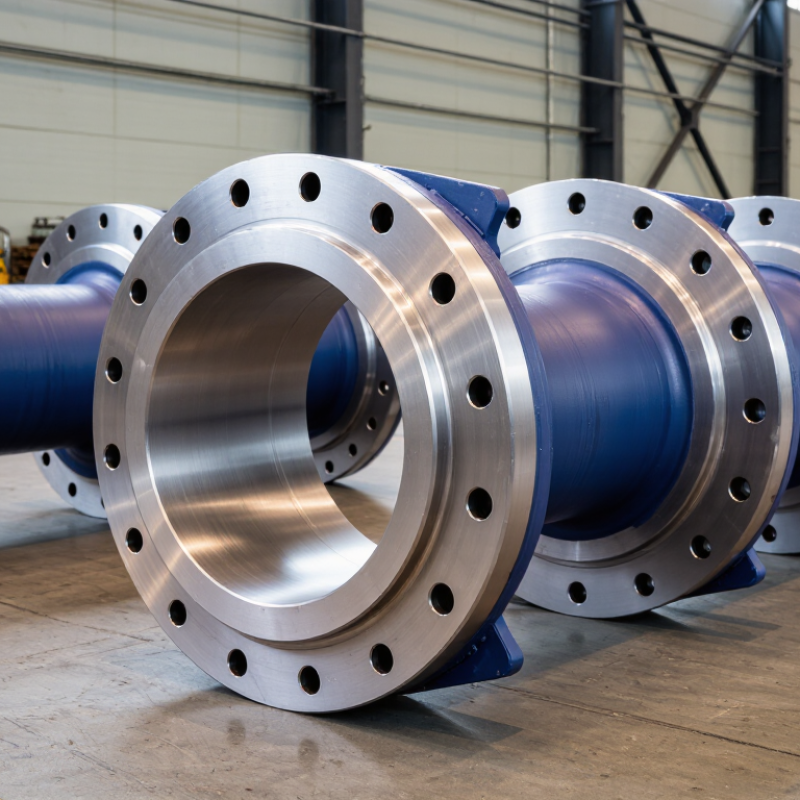
A dismantling joint is a flanged mechanical fitting that connects valves, pumps, meters, and pipe sections. Its adjustable length creates working space during installation and removal. A typical assembly includes a center flange, spigot flange, sealing gasket, and tie rods. These parts transfer pressure safely when selected and tightened correctly. It is not an expansion joint. That distinction matters.

In a treatment plant, a technician may need to remove a heavy valve without cutting nearby pipework. The joint allows controlled axial adjustment, often within a specified range. This reduces downtime and protects expensive equipment. It can also help align flanges when site conditions are less perfect than drawings suggest. Small detail. It matters.

Experienced buyers should check pressure class, nominal diameter, flange drilling, coating system, gasket material, and bolt grade. Material compatibility is critical in seawater, wastewater, and chemical service. Installation records should include bolt torque, joint position, and leakage-test results. Uneven tightening can damage the gasket or distort the flange. I have found that many failures begin with rushed alignment, not poor steel. That assumption deserves review. Reliable manufacturers provide dimensional drawings, test documentation, traceability, and clear installation instructions. Buyers should also confirm adjustment limits before approving a substitute design.


Top 10 Dismantling Joint Manufacturers for Global Buyers: What Dismantling Joints Are and Why They Matter in Piping Systems

Dismantling joints are flanged pipe components that allow controlled axial adjustment, easier alignment, and faster removal of valves, pumps, meters, and other equipment during maintenance.

The chart shows standardized nominal pressure designations commonly used when selecting flanged dismantling joints. PN values are expressed in bar according to the EN 1092-1 designation system; the final working pressure depends on temperature, materials, flange design, sealing, and the manufacturer's certified product rating.

How to Evaluate Dismantling Joint Manufacturers for Global Projects

Choosing dismantling joint manufacturers for a global project requires more than comparing prices. Begin with the joint’s pressure rating, diameter range, flange standard, and installation environment. A reliable manufacturer should explain material grades, corrosion protection, bolt specifications, and sealing performance. Ask for drawings before placing an order. Small dimensional errors can delay an entire pipeline installation.

Factory experience matters. Review production records, inspection procedures, hydrostatic test reports, and traceability documents for each batch. Independent certification can support credibility, but certificates should match the actual product and project requirements. Request references from similar water, wastewater, or industrial installations. Speak with project engineers when possible. Their feedback often reveals packaging quality, delivery consistency, and technical response times.

Global buyers should also examine communication and after-sales support. Can the manufacturer answer technical questions across time zones? Are replacement parts available? Does the supplier understand export packing, labeling, and site conditions? A low quotation may appear attractive, yet unclear exclusions can create unexpected costs. No evaluation method is perfect. I have seen technically strong products fail because instructions were vague. That weakness deserves attention. Compare total project risk, not only the purchase price. A practical supplier provides clear tolerances, realistic lead times, and assistance during installation. These details help buyers select a manufacturer with dependable performance rather than impressive paperwork alone.

Top 10 Dismantling Joint Manufacturers for Global Buyers - How to Evaluate Dismantling Joint Manufacturers for Global Projects

Rank Evaluation Dimension Practical Benchmark for Global Projects Evidence to Request from the Manufacturer Why It Matters
1 Applicable Product Standards Products should be designed against recognized requirements such as EN 14525, AWWA C219, ISO 2531, or the project-specified equivalent. Technical datasheets, standard references, dimensional drawings, and a clause-by-clause compliance statement. Reduces interface, approval, and regulatory risks when equipment is installed across different markets.
2 Nominal Diameter Coverage A commercially useful range commonly includes DN50 to DN2000, with larger sizes available subject to engineering review. Published size chart, maximum outside-diameter range, flange drilling schedule, and dimensional tolerances. Confirms whether one supply source can support both standard and large-diameter sections of the project.
3 Pressure and Flange Compatibility Typical water-service configurations include PN10, PN16, and PN25; ASME Class 150 and Class 300 may be required for other markets. Pressure-rating tables, flange drilling details, design pressure, test pressure, and temperature limitations. Prevents mismatched flanges and ensures the joint is suitable for the system’s operating envelope.
4 Material Selection Common options include carbon steel for the body, ductile iron or carbon steel flanges, stainless-steel tie rods, and EPDM or NBR sealing components. Material certificates, grade designations, gasket compound data, and compatibility information for the conveyed medium. Material compatibility affects service life, corrosion resistance, and suitability for potable water, wastewater, or industrial fluids.
5 Axial Adjustment Range Many dismantling joints provide approximately ±25 mm to ±50 mm of installation adjustment, depending on size and design. Dimension drawings showing minimum, nominal, and maximum laying lengths, plus installation instructions. Adequate adjustment simplifies valve, pump, meter, and pipeline installation and supports future removal.
6 Corrosion Protection Typical systems include fusion-bonded epoxy, liquid epoxy, polyurethane, or hot-dip galvanizing, selected according to exposure conditions. Coating specification, surface-preparation method, dry-film-thickness records, holiday-test procedure, and repair instructions. Protects the joint during storage, transport, burial, immersion, and operation in corrosive environments.
7 Testing and Quality Control Hydrostatic, dimensional, coating, weld, and material inspections should be defined according to the purchase specification and applicable standard. Inspection and test plan, pressure-test records, dimensional inspection reports, calibration certificates, and nonconformance procedure. Provides objective evidence that each batch meets contractual and technical requirements.
8 Traceability Documentation For critical projects, EN 10204 Type 3.1 material certificates and identifiable heat, batch, or serial records are commonly requested. Sample 3.1 certificates, product marking format, packing list, certificate of conformity, and manufacturing record index. Supports audits, warranty claims, replacement planning, and investigation of field issues.
9 Manufacturing and Delivery Capability The supplier should demonstrate repeatable production for standard sizes, engineered capability for non-standard dimensions, and a defined export-packing process. Production capacity statement, representative project references without confidential details, lead-time schedule, packaging method, and shipping terms. Helps align procurement with construction milestones and reduces the risk of site delays or transit damage.
10 Technical Support and Lifecycle Service A qualified supplier should provide selection assistance, installation guidance, spare-seal availability, and documented warranty terms. Installation manual, torque guidance, maintenance instructions, spare-parts list, response-time commitment, and warranty conditions. Improves installation quality and lowers lifecycle costs during maintenance or emergency replacement.

Note: Technical ranges are common industry benchmarks rather than universal requirements. Final selection should be confirmed against the project specification, applicable local standards, operating medium, pressure, temperature, flange drilling, and installation conditions.

Top 10 Dismantling Joint Manufacturers and Their Product Strengths

Top 10 Dismantling Joint Manufacturers and Their Product Strengths

For global buyers, the strongest dismantling joint manufacturers combine accurate machining, pressure control, and reliable sealing. The need is substantial: WHO and UNICEF’s Joint Monitoring Programme reported that 2.2 billion people lacked safely managed drinking water in 2022. This pressure makes installation reliability more than a purchasing detail. It becomes an operating concern. The leading ten manufacturers typically offer flanged, restrained, and telescopic designs for waterworks, pumping stations, and industrial pipelines. Their main strengths include ductile iron bodies, stainless-steel tie rods, EPDM sealing rings, and corrosion-resistant coatings. Some suppliers provide wide adjustment ranges, which help crews align valves inside crowded chambers.

Not every catalogue claim deserves equal confidence. Buyers should request pressure-test records, coating certificates, dimensional drawings, and material traceability. ISO 9001 certification supports process control, but it does not prove every joint will perform well underground. The World Bank’s 2023 water-sector reporting continues to stress infrastructure efficiency and service reliability, reinforcing the value of maintainable connections. Strong manufacturers usually publish PN10, PN16, or higher-pressure options, along with flange drilling standards and bolt-load guidance. Their better designs allow controlled disassembly without cutting pipework. That saves downtime. Yet field conditions can expose weak assumptions, especially poor bolt access or uneven pipe loads. A practical comparison should therefore examine installation space, gasket replacement, coating damage, and local technical support—not only unit price.

Comparing Materials, Standards, Sizes, and Connection Designs

Top 10 Dismantling Joint Manufacturers for Global Buyers

Comparing Materials, Standards, Sizes, and Connection Designs

Dismantling joints help installers remove valves, meters, and pumps without cutting pipe. In field inspections, ductile iron remains common for buried water lines because it handles impact and offers stable dimensions. Carbon steel suits higher mechanical loads, while stainless steel performs better in corrosive environments. Epoxy coatings protect external surfaces, but coating quality varies between suppliers. That difference matters.

Seal selection deserves equal attention. EPDM is widely used for treated water and many municipal applications. NBR may suit oils and selected industrial fluids, but temperature and chemical limits must be checked. Buyers should compare pressure classes such as PN10, PN16, PN25, or Class 150. The label alone is not enough. Flange drilling, bolt grade, gasket profile, and test pressure must match the complete pipeline system.

Connection design affects installation time. Flanged designs provide familiar bolting, while restrained designs reduce axial movement near pumps and bends. Telescopic adjustment, often several dozen millimeters, can simplify alignment during replacement work. Common sizes range from DN50 to DN2000, although large diameters require careful lifting plans and bolt sequencing. Relevant references may include ISO, EN, or AWWA requirements, depending on the project location. Certification should be verified against the actual product, not just a factory brochure. A catalogue comparison can mislead. I have seen a correctly sized joint fail to fit because the flange drilling standard was assumed rather than measured.

How Global Buyers Can Select the Right Dismantling Joint Supplier

Top 10 Dismantling Joint Manufacturers for Global Buyers
How Global Buyers Can Select the Right Dismantling Joint Supplier

Supplier selection should begin with operating conditions, not catalogue prices. The UN World Water Development Report 2024 states that agriculture accounts for roughly 70% of global freshwater withdrawals. Water networks therefore need dependable components, especially in irrigation and treatment projects. Confirm the joint’s nominal diameter, pressure class, temperature range, and installation environment. A DN600 joint in a buried chamber needs different protection from a smaller indoor assembly. Check whether the design follows relevant standards, such as EN 14525, AWWA C219, or ISO 2531.

Request material certificates, coating records, dimensional drawings, and hydrostatic test results. Ask for bolt grade, gasket compound, flange tolerance, and allowable axial adjustment. Traceability matters. Each batch should link to inspection records and a clear production date. Independent testing is valuable when the supplier serves unfamiliar climates or difficult soil conditions. The World Bank’s High and Dry report notes that agriculture already represents about 70% of freshwater withdrawals, increasing pressure on pipeline reliability.

Do not rely on polished brochures alone. A low quotation may exclude coatings, testing, spare fasteners, or export packaging. That mistake becomes expensive beside a trench. Review warranty wording, inspection access, lead times, and replacement support. Video audits can help, but they do not replace physical quality checks. The uncomfortable part is uncertainty. Even experienced buyers can overlook gasket compatibility or flange movement. A practical supplier should welcome technical questions, admit design limits, and provide evidence before payment.

Article Source:

Powder Coat Booths

For those larger-sized parts, or smaller quantity runs, we have 2 independent powder coat booths and ovens. The quality, durability and affordability of today’s powder coating finishes make this the process of choice for world-class companies.

Powder coating advantages over other forms of coating are many. Materials used in the Powder coating process can be metals and non-metals that come in a multitude of thicknesses, textures, colors, etc. Another of Powder coating’s biggest advantages over conventional coatings is its ability to create finishes in many different textures. Powder Coating Booths allow us the ability to apply these advantages to large products.

Wet Paint Line

Tri-State Fabricators runs a full-service conveyor line for painting. Wet painting can provide protection or decoration to many different part styles. From start to finish, every project is easier to undergo random and point-based inspection by our skilled painting team.

Advantages to our Wet Paint Line are these lines start with product prep and ends with a thorough inspection of a high quality finished product. Our ability to complete large and small projects with a superior finish and doing so in a timely and economical fashion. This passes along the savings in production to our customers. When powder coating ins not an option, our Wet Paint Line gets the job done right the first time.

Wet Paint Booths

When the parts get big and heavy we roll-out our custom paint racks and oversize booth. By utilizing our partnerships with all the major paint brands, we can match virtually any color with wet paint.

The advantages of having access to a Wet Paint Booth are many. Large projects of many different shapes can be loaded into the booth. The Wet Paint Booth offers an environment that is much more controlled than a typical parts painting operation.

Not only are they used because of their controlled environment, but they’re are also advantageous when it comes to applying paint to parts that are needed in industries that require specialty coatings such as medical, aerospace, etc.

Military CARC

Our military forces have some very high standards when it comes to the finish of their vehicles and equipment. From the first pre-treatment step to final coat, it takes a great deal of knowledge and experience to protect the men and women of our armed forces. They deserve only the best, and Tri-State Fabricators provides it.

All of our processes are closely monitored by our staff and management teams. Both of which are highly trained in the processes of metal fabrication and finishing. Tri-State Fabricators’ goal is to always fully satisfy each and every customer, including the military. We will always put a 110% into what we do.

Glass-Bead Blasting

Abrasive media blasting is an excellent way to remove old paint, rust, and increase the paint/powder adhesion. Glass beads produce a much smoother and brighter finish than angular abrasives; leaving the part clean yet without any dimensional change. Chemically inert and environmentally friendly, we can recycle our beads approximately 30 times; making them a more preferred method of metal cleaning or surface finishing.

Advantages to Glass Bead Blasting are many. Glass bead blast media is used when a project is needing rough surfaces need to become smooth for applications of coatings such as paint. It is typically used to clean paint and rust from a product surface without deforming the surface it is being used on. Overall, compared to many other blasting media, Glass Bead Blasting is a very economical choice and those savings are always passed on to our customers.

Part Washing

Tri-State Fabricators utilize a zinc phosphate wash to clean and etch the material to ensure the best paint adhesion possible. The unique design of our 3-stage wash system does the work like a 5-stage. From Cleaning and rinsing to conversion coating and post-treatment, Our Part Washing process is a complete service and works throughout the fabrication service and the finishing service.

Along with the previously mentioned benefits, Curing is a vital chemical reaction that leaves the product finish hard and relatively safe from mild abrasion and aggressive corrosion. This process can be done in more than one way; ambient air-dry or in curing ovens at temps that exceed 240°.

Burn-Off Oven

From fixing paint mistakes (someone else’s of course) to simply cleaning our paint line hooks, our burn-off oven is put to good use. After a quick burn-off, a little clean up, and a fresh coat of paint, your parts will look better than new.

Why does our Burn-Off Oven work so well? Because super heating the air around parts turns the materials into ashes. From paint and powder coatings to rubber and machining oils, high temps do the job without degrading the integrity of the part.

Masking

Masking is a vital part of producing high quality products. We have die-cut masking patterns to protect machined surfaces as well as a wide range of plugs and caps to protect threaded holes and bolts. We provide permanent and temporary masking.

Masking allows the selected sections of a product to be protected from a fabrication or finishing service. This can be with both chemicals when etching and tapes, paints when only finishing just a section of the product. Masking is great in aiding the customization process of a project.

Screen Printing

Screen printing is a photographic process that transfers artwork onto a porous nylon screen which allows colored ink to flow through the screen and be deposited on an aluminum or plastic component. We can generally have just about any design created onto a screen for your parts.

Some of the advantages of Screen Printing are, brand recognition for your business displaying on your products, assembly instructions, product warnings/hazards, etc. Tri-State Fabricators produces Screen Printing of the highest quality so you know it’s durable.

Metal Finishing

Metal Finishing is the art of treating the exterior portion of product, often metal but can also be made of other materials, so that the surface is clean and free of any debris. Then the process of applying coats or either paint of powder coat takes place. This coating process improves the quality of the product in both appearance and resistance to wear and corrosion.

Tri-State Fabricators, Inc., understands that a project typically isn’t complete until a high-quality finish has been added to your product. This is why our painting and powder coating teams continuously inspect the products throughout the Metal Finishing process.
