Top 10 Digital Crimper Suppliers for Global Buyers
Choosing a Digital Crimper supplier is not simply a price comparison. It is a decision about repeatability, operator safety, service access, and long-term production stability. A reliable supplier should provide more than a polished product page. Buyers need clear specifications, verified force control, compatible dies, calibration guidance, and responsive technical support.
Leo Lambert, an electronics assembly expert and longtime IPC trainer, is widely associated with the principle, “Quality is not an accident.” That statement fits crimping equipment closely. A small variation in terminal height can affect pull strength, electrical resistance, and field reliability. Experienced buyers therefore examine sample results, tooling tolerances, inspection methods, and documented quality procedures. Certification helps, but it does not replace practical testing.
This guide presents ten Digital Crimper suppliers for global buyers. The selection considers product range, automation capability, customization, service coverage, documentation, and user feedback. It also considers less visible details, such as spare-die availability and the clarity of maintenance instructions. Those details matter when a production line stops at 2 a.m.
No ranking can fit every factory. A compact bench crimper may suit low-volume assembly, while a programmable system may better serve automotive or industrial production. Some suppliers look strong online but provide limited regional support. That weakness should not be ignored. Buyers should request samples, review warranty terms, and confirm voltage, language, and shipping requirements before ordering. The market is changing quickly, and this overview may not capture every emerging supplier. Still, it offers a practical starting point for careful comparison.
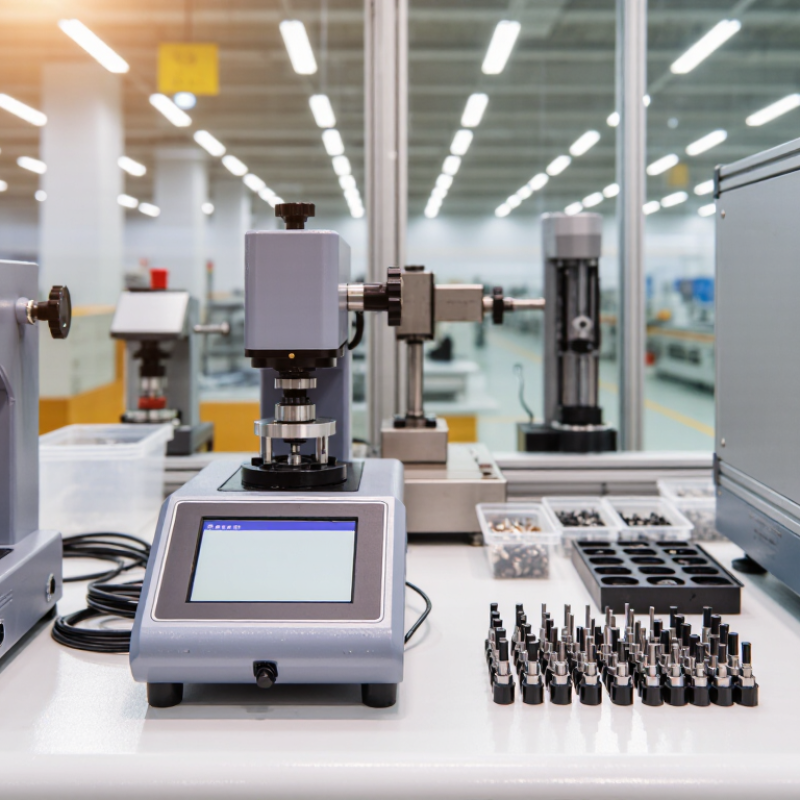
What Is a Digital Crimper and How Does It Work?
A digital crimper is a powered tool that joins terminals to electrical cables with controlled pressure. Unlike a basic hand crimper, it shows operating data on a small digital display. Some models also store cycle counts, pressure readings, and error alerts.
The process is simple but precise. The operator selects a suitable die for the terminal and cable size. The motor then drives a hydraulic or mechanical mechanism. A force sensor measures the pressure during compression. A controller compares that reading with the target range. When the crimp reaches the required force, the tool stops or signals completion. Crimping is not merely squeezing.
Too little pressure can create a loose connection and excess heat. Too much pressure may damage the terminal or conductor. In real workshops, dust, worn dies, low battery power, and uneven cable placement can affect results. The display is helpful, but it is not magic. A technician should still inspect the crimp shape, conductor position, and pull strength.
Global buyers should examine calibration records, operating manuals, replacement die availability, and service support. A dependable supplier should explain testing methods clearly. Ask whether pressure readings can be checked periodically. This detail is often overlooked. A sensor may drift over time, creating false confidence. Trial samples and independent inspection can reveal problems before large orders are placed.
Key Criteria for Evaluating Global Digital Crimper Suppliers
Top 10 Digital Crimper Suppliers for Global Buyers
Choosing a digital crimper supplier requires more than comparing prices. Check measurement accuracy, crimping force, battery life, and compatible terminal sizes. Request calibration records and test reports for each digital model. Reliable suppliers should explain how readings are verified and stored. Their product specifications must match the samples delivered.
Examine manufacturing experience, quality controls, and technical support before placing a large order. Ask for production photos, inspection procedures, warranty terms, and replacement-part availability. A supplier with traceable batches can investigate defects faster. Confirm lead times, packaging strength, export documents, and communication during custom orders. Small details matter. A damaged case can delay field work.
Tips: Test one sample under real working conditions. Crimp several cable sizes and inspect pull strength, alignment, and display stability. Compare the result with a calibrated reference tool. Ask whether software updates affect stored data. Also check operator training materials and service response times. A polished website proves little. I have seen attractive specifications hide unclear tolerances and weak after-sales support. Even experienced buyers can overlook regional plug requirements or battery restrictions. Recheck these points before approving the purchase.
Key Criteria for Evaluating Global Digital Crimper Suppliers
The chart presents a practical procurement-weighting model for comparing digital crimper suppliers worldwide. Product reliability, crimping accuracy, international compliance, technical support, and total cost of ownership are emphasized because they directly affect production quality, workforce efficiency, and long-term operating risk. The percentages represent evaluation weights and are not company-specific performance ratings.
Top 10 Digital Crimper Suppliers by Products and Market Reach
Top 10 Digital Crimper Suppliers for Global Buyers
Top 10 Digital Crimper Suppliers by Products and Market Reach
The strongest digital crimper suppliers serve more than one production environment. Their portfolios usually include handheld battery tools, pneumatic units, hydraulic systems, and programmable bench machines. Some also provide interchangeable dies, force monitoring, barcode settings, and digital quality records. These features matter in automotive harnesses, industrial control panels, renewable-energy cabling, and appliance assembly.
Market reach must be judged beyond export claims. MarketsandMarkets projects the global wire and cable market to grow from about USD 215.9 billion in 2023 to USD 290.1 billion by 2028. This expansion supports demand for repeatable termination equipment and responsive technical service. A practical top-ten review should compare product depth, regional warehouses, spare-part availability, training, warranty response, and compliance documentation. Suppliers with local calibration support often reduce production delays, even when their purchase price is higher.
Product evidence remains uneven. Public supplier data rarely shows failure rates, repair times, or real crimp-force consistency. That is a weakness. Buyers should request sample crimp tests, force-displacement records, die-life data, and references from similar factories. The best-ranked suppliers combine measurable tooling performance with broad distribution across Asia, Europe, North America, and emerging manufacturing regions. Market reach without service can be misleading. A low-cost unit may become expensive after one unavailable replacement die.
Comparing Supplier Quality, Technology, Pricing, and Support
Choosing among the top 10 digital crimper suppliers requires more than comparing catalog prices. Global buyers should inspect crimp accuracy, die durability, measurement stability, and production consistency. A reliable supplier can provide calibration records, sample test results, and clear tolerances. Ask whether the machine supports your wire sizes and connector materials. Small details matter.
Technology should improve control, not create extra complexity. Useful features include digital pressure displays, programmable settings, error alerts, and data export. Request a live demonstration or independent sample evaluation before purchasing. Pricing must include tooling, spare parts, training, packaging, shipping, and maintenance. The lowest quotation may become expensive after installation. It happens.
Tips: Compare at least three written quotations. Test identical materials with each supplier. Check response times before signing. Ask for replacement-part lead times and warranty terms. Support quality often separates a dependable supplier from a merely capable one. Look for technical manuals, remote troubleshooting, operator training, and service coverage across your destination market. Language support can also reduce setup mistakes. However, buyers should remain cautious about polished demonstrations. Performance under real factory conditions may differ. I would require a documented acceptance test, even when the supplier appears experienced. Supplier rankings can guide research, but they cannot replace measured evidence.
How Global Buyers Can Select the Right Digital Crimper Supplier
Selecting the right digital crimper supplier requires more than comparing prices. A reliable supplier should provide stable crimp force, repeatable stroke control, and clear production records. The IPC/WHMA-A-620 standard is widely used for cable and wire harness acceptance. Ask suppliers how their machines support these requirements.
Automation demand is rising. The International Federation of Robotics reported 541,302 industrial robots were installed worldwide in 2023. This growth shows why buyers increasingly expect connected equipment, data tracking, and faster changeovers. However, a digital display does not guarantee accuracy. Request sample crimps, force-monitoring results, calibration records, and failure-rate data. Check whether spare parts can arrive within your operating region. Remote support is useful, but it cannot replace practical training.
Tips: Compare total ownership cost, not only the quotation. Ask for a live demonstration using your terminals and wire sizes. Review warranty terms, software updates, and operator safety features. Confirm supplier experience with your production volume. A smaller supplier may offer better technical attention, but its service capacity needs careful checking. The cheapest quote can look convincing. It is often not. Buyers should also verify ISO 9001 certification or equivalent quality controls, while remembering that certification alone does not prove machine performance. Evidence from your own trial matters more.





