Top 10 Diesel Engine Features Every Buyer Should Consider?
When considering a Diesel engine, potential buyers face many choices. The right features can transform experience and performance. Buyers should understand what makes a diesel engine exceptional. Engine longevity, fuel efficiency, and maintenance needs are crucial factors. Buyers must also consider power output and torque.
One important feature is fuel economy. Diesel engines often provide better mileage than gasoline counterparts. This can lead to significant savings over time. Additionally, the durability of diesel engines is notable. They are typically built to last, which can justify a higher initial investment.
However, not all diesel engines are created equal. Some may lack modern technology or efficiency. As a buyer, it's essential to compare and reflect on individual needs and expectations. Be mindful of variations in performance and cost. This ensures the right choice, aligning with your driving goals. An informed decision today can lead to better performance tomorrow.
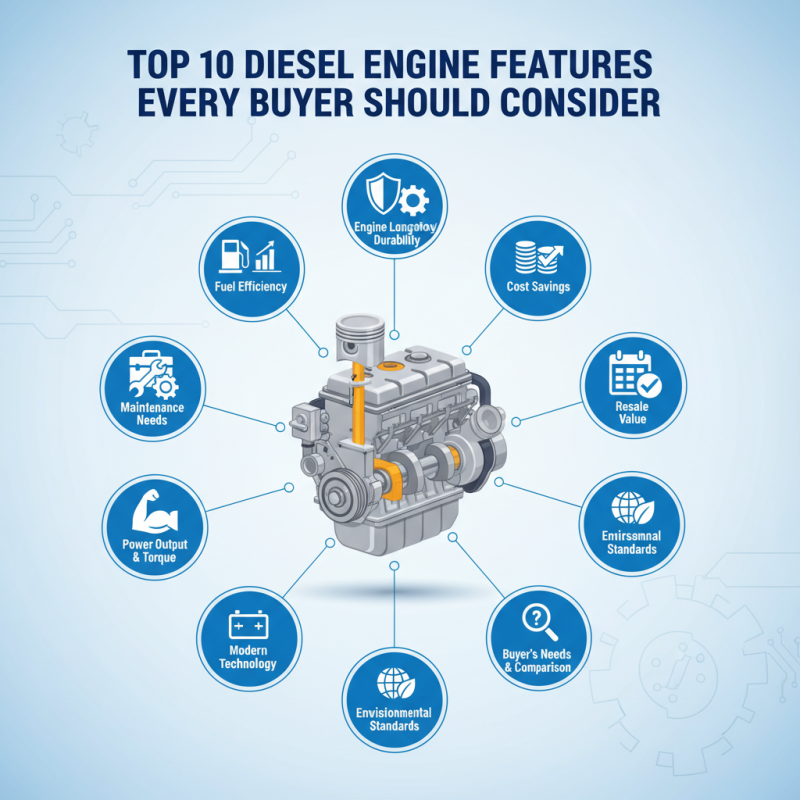
Diesel Engine Fuel Efficiency: Understanding the Cost Benefits Over Time
Diesel engines are renowned for their fuel efficiency, offering significant cost benefits over time. According to a report by the U.S. Department of Energy, diesel engines can achieve up to 30% better fuel economy compared to gasoline engines. This efficiency translates into lower fuel costs, especially for long-distance driving or heavy-duty applications. For many buyers, this aspect is crucial, especially with fluctuating fuel prices.
Understanding the long-term savings is essential when considering a diesel engine. A typical diesel vehicle can travel over 600 miles on a single tank, while gasoline counterparts usually reach around 400 miles. Over time, the difference in fuel costs can lead to substantial savings. However, the initial price of diesel vehicles may be higher. Buyers should weigh the immediate costs against their potential savings.
Tip: Calculate your expected fuel savings based on your driving habits. This gives a clearer picture of your total cost of ownership. Diesel engines also tend to have a longer lifespan. They can last significantly longer than gasoline engines if properly maintained. Regular service can cost more, but this investment can lead to financial benefits down the road. Tip: Consider maintenance costs when budgeting for a diesel vehicle. Maintenance can be more intensive, and parts can be pricier. Balancing these factors is key to making an informed decision about diesel engine investments. Torque and Power Output: Key Metrics for Performance Assessment
When considering diesel engines, torque and power output are pivotal factors. Torque directly impacts how much power an engine can deliver at low RPMs. According to the Society of Automotive Engineers, diesel engines typically produce more torque than their gasoline counterparts. This feature enhances towing capabilities and ensures smooth acceleration under heavy loads. Many buyers overlook this. However, understanding torque specifications can significantly influence vehicle performance.
Power output, usually measured in horsepower, reflects how quickly an engine can perform work. A report from the Diesel Technology Forum indicates that modern diesel engines can generate upwards of 500 horsepower. This metric is essential for buyers needing reliable performance in demanding environments. Yet, it's crucial to interpret these numbers cautiously. Some engines may boast high power but lack efficiency.
Not all high-torque engines translate to better performance. Engine tuning and weight distribution play vital roles. Buyers must consider how torque and power interact with the entire vehicle. Misconceptions can lead to selecting engines that don't meet specific needs, ultimately affecting satisfaction and usability. A complex relationship exists between these metrics, and potential buyers should investigate thoroughly before making a decision.
Emissions Standards: Navigating Regulations in Diesel Engine Selection
Selecting a diesel engine requires careful consideration of emissions standards. These standards vary widely across regions and affect engine performance and compliance. In the United States, the EPA has set stringent regulations to lower nitrogen oxides (NOx) and particulate matter emissions. According to the Diesel Technology Forum, diesel engines have reduced NOx emissions by 97% since 1988 due to advanced technologies.
Each state may enforce its own emissions rules, creating a complex landscape for buyers. It is crucial to understand local requirements before making a decision. For example, California's stricter Air Resources Board (CARB) regulations may influence engine selections for fleet operators. Failure to comply can result in hefty fines or restrictions on operation.
Recent studies highlight the growing importance of low-emission technologies, such as selective catalytic reduction (SCR) and exhaust gas recirculation (EGR). Although these technologies can enhance performance, they often increase maintenance complexity. Buyers should weigh the benefits of reduced emissions against potential costs and reliability issues. Understanding these standards is essential for informed and responsible decision-making in diesel engine procurement.
Maintenance and Longevity: Analyzing Reliability and Service Intervals
When considering diesel engines, maintenance and longevity are critical factors. Proper care can significantly impact the engine's lifespan. According to the Diesel Technology Forum, regular maintenance can extend the life of a diesel engine from 500,000 to over 1,000,000 miles. This shows that diligent upkeep pays off in reliability.
Oil changes are vital. Engine oil should be replaced every 7,500 to 10,000 miles. Neglecting this can lead to premature wear. Filtration systems also require attention. Fuel filters should be replaced regularly to maintain optimal performance. A clean fuel system prevents harmful deposits that can affect engine function.
Furthermore, service intervals are crucial. The American Petroleum Institute emphasizes that a well-structured service schedule can reduce unexpected repairs. Ignoring manufacturer recommendations can lead to conflicts and higher ownership costs. Owners must assess the feedback from peers and mechanics regarding reliability. Transparent communication about issues aids in better decision-making. Emphasizing preventive maintenance protects investments in diesel technology.
Top 10 Diesel Engine Features Every Buyer Should Consider
| Feature | Description | Importance | Typical Service Interval |
| Fuel Efficiency | How effectively the engine converts fuel into power. | High | Every 5,000 - 10,000 miles |
| Torque | The engine's ability to perform tasks, especially in heavy loads. | High | Every 10,000 miles |
| Emissions Standards | Compliance with environmental regulations on exhaust emissions. | Medium | N/A |
| Cooling System | Maintains optimal engine temperature to prevent overheating. | High | Every 15,000 miles |
| Oil Change Frequency | Interval for changing engine oil to ensure proper lubrication. | High | Every 5,000 - 15,000 miles |
| Durability | How well the engine withstands wear and tear over time. | High | N/A |
| Noise Levels | Amount of noise generated by the engine during operation. | Medium | N/A |
| Serviceability | Ease of access to parts for maintenance and repairs. | High | N/A |
| Technology Integration | Incorporation of modern technology for efficiency and performance. | Medium | N/A |
| Resale Value | The expected value of the engine at resale or trade-in. | Medium | N/A |
Technology Advancements: Exploring Innovations in Diesel Engine Design
Recent advancements in diesel engine technology have led to significant improvements. These innovations enhance fuel efficiency and reduce emissions. Modern diesel engines now incorporate turbocharging. This allows for better air intake and more power with less fuel.
Another notable feature is the use of common rail fuel injection systems. This technology provides precise fuel delivery. It also promotes complete combustion, which reduces pollutants. Furthermore, there are advancements in aftertreatment systems. These systems help in meeting stringent environmental regulations while maintaining performance.
However, buyers should be cautious. Some technologies are still evolving. Durability and maintenance could be concerns. Investing in a new diesel engine involves understanding these technologies. It's essential to weigh the benefits against potential drawbacks. Innovations in diesel engine design are promising, but it's wise to stay informed.





