Top 10 Copper Terminal Types for Global Buyers?
Copper terminals play a critical role in various electrical applications. They ensure reliable connections and effective power transfer. According to a recent report by Market Research Future, the global demand for copper terminals is projected to grow at a CAGR of 5.2% from 2023 to 2030. This trend highlights the increasing reliance on copper terminals in industries like automotive, telecommunications, and renewable energy.
The variety of copper terminal types available can meet diverse needs. Each type serves a specific function, such as crimping, soldering, or bolting. Understanding these types is essential for manufacturers and buyers alike. Industry professionals emphasize that selecting the right copper terminal can greatly impact electrical efficiency and reliability. Yet, many buyers often overlook critical specifications. Choosing an inferior terminal can lead to electrical failures and increased costs over time.
In this competitive landscape, staying informed about the top copper terminal types is crucial. Knowledgeable buyers can make better decisions and enhance their operations. Investing in quality copper terminals is not just an option; it is a necessity for ensuring performance and safety in electrical systems.
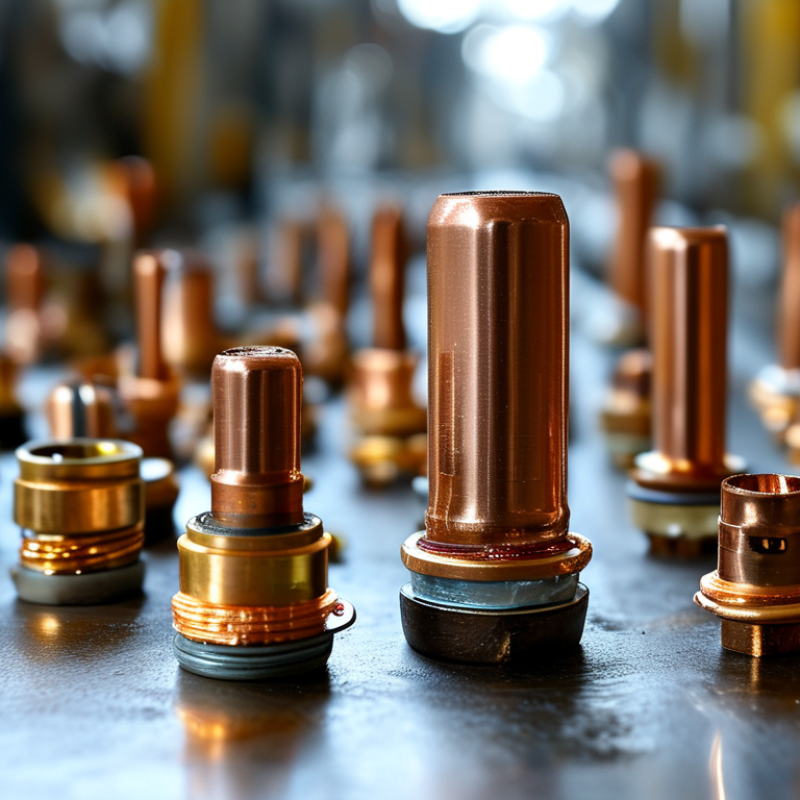
Types of Copper Terminals: An Overview for Global Buyers
Copper terminals play a crucial role in various electrical and electronic applications. They connect wires to devices, ensuring proper conductivity and stability. Different types of copper terminals serve various functions, from simple connections to more complex configurations. This overview will help global buyers understand their options.
Crimp connectors are common and easy to use. They provide a reliable connection without soldering. Terminal blocks allow for organized connections, perfect for larger setups.
Ring terminals offer secure attachment points, especially suitable for high-current applications. Each type has its advantages, but the choice often depends on specific needs and settings.
Buyers should reflect on their requirements before selecting a type. What are the current and voltage ratings? How will they be used? Understanding these factors can prevent mistakes and improve overall performance. Reliable connections lead to enhanced safety and efficiency. Not every option will be perfect, but careful consideration can guide better decisions.
Key Features of Popular Copper Terminal Types
When selecting copper terminals, understanding their key features is crucial for effective applications. One common type is the ring terminal. This design provides strong mechanical stability and ensures a secure connection with bolts or screws. They are great for situations requiring frequent assembly and disassembly. However, users should verify compatibility with screw sizes to avoid errors.
Another popular type is the spade terminal. It offers easy connection and disconnection, making it ideal for maintenance-heavy environments. Its open design allows for quick adjustments. Nevertheless, improper crimping can weaken the connection or lead to operational failures. Careful handling in installation is necessary to avoid such issues.
Barrel terminals, known for their robust performance, also deserve attention. They accommodate various wire sizes effectively. However, selecting the wrong size may lead to inefficient conductivity. Improvisation can be tempting, but it often exacerbates connection problems. Understanding these details leads to better choices for critical applications.
Top 10 Copper Terminal Types
Applications of Different Copper Terminal Types
Copper terminals are crucial components in electrical connections, widely used across various industries. Their applications span automotive, electronics, energy, and telecommunications. According to a recent market analysis, the global demand for copper terminals is expected to grow by 6.3% annually through 2030. This growth is fueled by the rise of renewable energy and electric vehicles, which require robust and reliable electrical connections.
Different types of copper terminals serve specific purposes. For example, ring terminals are commonly used in automotive applications due to their secure connections. Fork terminals offer flexibility, especially in crowded electrical panels. Meanwhile, spade terminals are ideal for quick disconnections. The selection of the appropriate terminal type is essential for ensuring safety and functionality, particularly under demanding conditions.
When selecting copper terminals, consider environmental factors. Corrosion resistance can vary based on the terminal type. Look for options that meet industry standards, such as UL and IEC certifications. Always ensure that you are choosing a terminal suited for the specific electrical load it will carry. Copper terminals are vital, and a thoughtful approach can significantly enhance system reliability and performance.
Factors to Consider When Choosing Copper Terminals
When selecting copper terminals, several critical factors emerge. The quality of copper is paramount. High conductivity leads to effective power transmission. According to a market report by ResearchAndMarkets, pure copper terminals can achieve conductivity rates of 98% or higher. This characteristic directly impacts energy efficiency and reduces power loss.
Another vital consideration is compatibility with cabling types and sizes. Ensuring an appropriate fit between the terminal and wire gauge affects connection stability. A loose connection may lead to overheating or failure. Additionally, the operating environment plays a role. Factors such as humidity, temperature, and exposure to corrosive elements can degrade terminal performance. A study by the International Electrotechnical Commission revealed that terminals in harsh environments require coatings to prevent oxidation.
Moreover, examining the terminal design is essential. Some configurations offer screw connections, while others use crimping methods. The choice between these affects installation and durability. A study from the Copper Development Association notes that improperly installed terminals often lead to failure, emphasizing the need for proper training and guidelines in installation practices. Buyers must also consider the long-term costs associated with maintenance and replacements. While cheaper options may seem attractive initially, they can lead to higher expenses down the line.
Best Practices for Sourcing Copper Terminals Globally
When sourcing copper terminals globally, it is crucial to consider the quality and specifications. High-quality copper terminals can enhance the reliability and longevity of electrical connections. According to a recent industry report by the International Copper Association, demand for copper terminals is projected to grow by 4% annually due to the rise in renewable energy investments. This growth signifies the need for robust sourcing strategies.
Understanding regional standards is vital. Different markets may have varying requirements. Buyers should familiarize themselves with local certifications and compliance regulations. For instance, terminals used in automotive applications often require rigorous quality checks. Encouragingly, global suppliers have started adopting standardized testing methods, which can mitigate quality discrepancies but may also lead to complacency in some cases.
Effective communication with suppliers is key. Establishing clear guidelines for specifications and delivery timelines is essential. However, challenges like unexpected delays and price fluctuations can arise. Buyers should maintain flexibility in their procurement approach. Moreover, engaging with multiple suppliers may introduce inconsistencies, but it can also safeguard against market volatility. Balancing these aspects ensures a more stable sourcing process in a competitive landscape.
Top 10 Copper Terminal Types for Global Buyers
| Copper Terminal Type | Common Applications | Size Range (mm²) | Temperature Rating (°C) | Connection Type |
| Ring Terminal | Automotive, Electrical | 1.5 - 16 | -40 to 105 | Crimp |
| Spade Terminal | Industrial Equipment | 1.0 - 25 | -40 to 125 | Push-On |
| Bullet Terminal | Audio Systems | 0.5 - 10 | -40 to 85 | Insert |
| Fork Terminal | Power Distribution | 1.5 - 35 | -20 to 130 | Crimp |
| Stud Terminal | Heavy Machinery | 6 - 100 | -40 to 150 | Bolted |
| Socket Terminal | Consumer Electronics | 0.5 - 8 | -40 to 90 | Snap-In |
| Angled Terminal | Telecommunications | 0.75 - 16 | -40 to 110 | Crimp |
| Insulated Terminal | Control Panels | 1 - 16 | -40 to 105 | Insulation Displacement |
| Quick Connect Terminal | Home Appliances | 1.5 - 12 | -20 to 80 | Plug-In |
| T-Tap Terminal | Vehicle Wiring | 0.5 - 10 | -20 to 85 | Tapped |





