Top Conveyor System Trends for Global Buyers in 2026?
As we look towards 2026, the Conveyor System industry is poised for significant evolution. Global buyers must stay informed about key trends affecting this vital technology. Conveyor systems serve various sectors, enhancing efficiency and productivity. Companies are increasingly investing in automation and smart technologies to optimize operations.
One of the notable trends is the integration of artificial intelligence in conveyor systems. This technology enhances maintenance and predicts system failures. Another critical aspect is sustainability. Manufacturers are focusing on eco-friendly materials and energy-efficient designs. However, the path to adopting these innovations is not without challenges.
Buyers must consider the cost implications and potential disruptions during implementation. The fast-evolving market requires careful evaluation and strategic planning. Understanding these trends will empower buyers in making informed decisions. Embracing change in the conveyor system landscape can lead to substantial advantages and improved operational outcomes.
Key Factors Influencing Conveyor System Trends in 2026
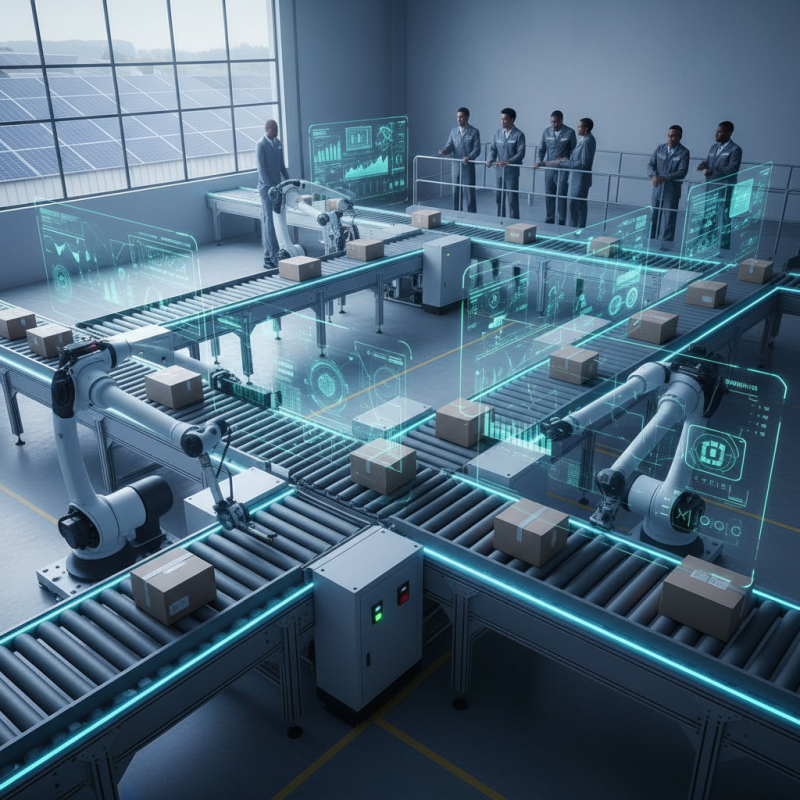
As we look toward 2026, several key factors will shape the conveyor system landscape for global buyers. Automation remains at the forefront. Companies are keen to integrate smart technologies. This leads to enhanced efficiency and reduced operational costs. Data analytics will also play a crucial role. Real-time insights can guide maintenance schedules, further minimizing downtime.
Moreover, sustainability is a rising concern. Manufacturers are pushed to adopt eco-friendly materials and energy-efficient designs. This trend reflects a broader commitment to environmental responsibility. Buyers are now more vigilant about sourcing products that meet these standards.
Tips: Always assess a supplier's commitment to sustainability. Check if they provide information on their eco-friendly processes. Also, consider the scalability of the systems. As your needs evolve, so should your conveyor solutions. Flexibility is key to staying competitive.
It's important to note that not all advancements come without challenges. Some technologies may require steep learning curves. Training staff can be a significant hurdle. It’s vital for businesses to weigh the costs against potential benefits. A well-thought-out strategy can mitigate risks and enhance overall productivity.
Innovative Technologies Shaping the Future of Conveyor Systems
In 2026, conveyor systems are set to undergo significant transformations. Innovative technologies will redefine efficiency and safety in logistics. Automation plays a key role in this shift. Automated guided vehicles (AGVs) are becoming common in warehouses. They transport goods seamlessly, reducing manual labor and increasing precision.
AI-driven analytics will optimize the operations of conveyor systems. This technology analyzes data in real-time. It predicts maintenance needs, reduces downtime, and improves overall productivity. Employees can focus on higher-value tasks, enhancing job satisfaction and efficiency.
Tip: Embrace change by investing in training for your workforce. Keeping skills updated is crucial as technology evolves.
Another trend is the integration of sustainability in conveyor design. Energy-efficient components and recyclable materials are gaining traction. This move aligns with global sustainability goals.
Tip: Regularly assess the environmental impact of your conveyor systems. Small changes can lead to significant benefits.
As we move towards 2026, an adaptive approach will be essential. The pace of technological advancement means industry players need to stay agile. This reflection on current practices will guide future decisions and adaptations.
Sustainability and Eco-Friendly Practices in Conveyor Systems
Sustainability is becoming crucial in conveyor systems. In 2026, global buyers increasingly prefer eco-friendly practices. These systems can minimize energy use and reduce waste. Many organizations are now prioritizing green belt materials. This shift reflects a deeper awareness of environmental impact.
Recycling is vital in modern conveyor designs. Many manufacturers aim for sustainable sourcing. Energy-efficient motors and controls play a critical role. However, challenges remain. Some companies struggle to balance cost and sustainability. This can lead to hesitation in adopting new technologies.
The shift towards sustainability requires commitment. Companies must invest time and resources. Hiring experts in eco-friendly designs can make a difference. Maintaining a transparent supply chain is essential. Commitment to sustainability is a journey, not a destination. Continuous reflection is necessary for improvement.
Emerging Markets and Their Impact on Global Conveyor System Demand
Emerging markets are reshaping the global conveyor system landscape. Countries in Asia and Africa are seeing rapid industrial growth. This growth brings an increased demand for efficient material handling solutions. As manufacturing bases shift, conveyor systems play a pivotal role. They enhance productivity and reduce labor costs. Many companies are exploring local suppliers to cut lead times. This trend is crucial for minimizing delays in production schedules.
Yet, challenges arise in these emerging regions. Infrastructure quality can be inconsistent. Potential buyers might encounter issues with logistics and supply chain management. Investment in technology is necessary to overcome these barriers. Additionally, knowledge gaps about advanced conveyor systems persist. Proper training and support are essential for maximizing system potential.
Despite these hurdles, the opportunities remain significant. Organizations must adapt to local needs while maintaining operational efficiency. Engaging with regional experts can provide vital insights. Local engagement fosters better understanding and trust. Every stakeholder must be cognizant of the evolving market dynamics. This understanding will inform better decisions in implementing conveyor systems.
Automation and AI Integration in Conveyor System Design and Functionality
The integration of automation and artificial intelligence (AI) stands at the forefront of conveyor system design. According to a recent industry report, over 65% of manufacturing companies plan to invest in AI solutions by 2026. This trend is primarily driven by the need for efficiency and adaptive operations. Automated systems can analyze operational data in real-time, allowing for quicker decision-making and reduced downtime.
AI enhances predictive maintenance in conveyor systems. By utilizing sensors and machine learning, potential issues can be identified before they lead to failures. This proactive approach can lower maintenance costs by 30%, according to industry analyses. Moreover, smart conveyor systems can adapt to varying loads and processes, optimizing performance based on current demands. However, the reliance on these technologies also raises concerns about cybersecurity and the need for skilled operators.
Despite the benefits, integrating automation involves challenges. Transitioning to AI-driven systems requires a significant upfront investment. It may take years for some companies to see a return on that investment. Additionally, as systems become more complex, businesses must continually assess their workforce skill sets. The need for ongoing training and adaptation cannot be overlooked. Balancing these elements is crucial for companies aiming to maintain a competitive edge in the evolving landscape of conveyor systems.





