Top Continuous Screw Pyrolysis Plant for Global Buyers Guide?
The global market for Continuous screw pyrolysis plants is rapidly expanding. Industry expert Dr. Emily Carter emphasizes the importance of innovation in waste management, stating, "Screw pyrolysis technology is a game-changer for sustainable energy solutions." This emphasizes the potential of Continuous Screw Pyrolysis Plants in converting various waste materials into valuable resources.
Continuous Screw Pyrolysis Plants operate seamlessly, allowing for uninterrupted waste processing. Unlike batch systems, these plants ensure constant input and output. The technology not only increases efficiency but also promotes environmental sustainability. As we explore the top options in the market, it’s vital to assess their capabilities, reliability, and scalability.
However, the industry is still facing challenges. Some plants may have varying levels of quality and efficacy. Choosing the right Continuous Screw Pyrolysis Plant requires careful consideration. Potential buyers must reflect on their specific needs and long-term goals to make an informed decision.
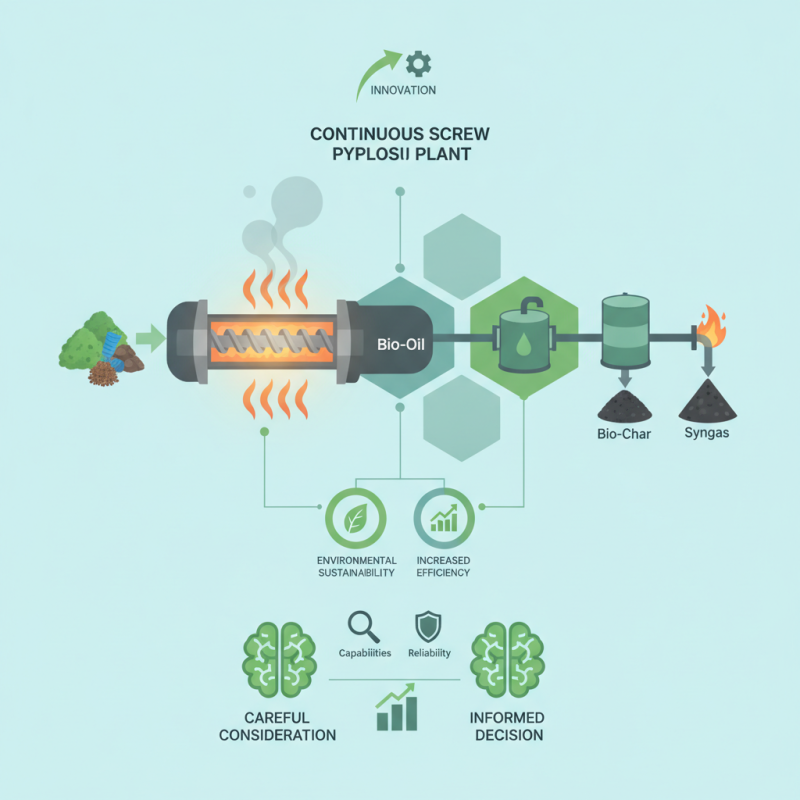
Overview of Continuous Screw Pyrolysis Technology
Continuous screw pyrolysis technology offers an innovative solution for waste management. This method converts organic materials into useful resources. The process occurs in a closed system, which minimizes emissions and maximizes efficiency. By continuously feeding materials into the reactor, operators can ensure a steady output of bio-oil, char, and syngas.
One common challenge is optimizing the temperature within the reactor. An excessively high or low temperature can affect product quality. Operators often need to adjust settings based on the material being processed. Small tweaks can lead to significant improvements in yield.
**Tip:** Regular maintenance of the reactor is crucial. Even minor wear and tear can lead to inefficiencies. Make a checklist for monthly inspections to ensure optimal performance.
Understanding the specific materials used in the pyrolysis process is vital. Different feedstocks yield varied results. For instance, plastics may produce more oil compared to biomass. Operators must analyze material compositions carefully for best results.
**Tip:** Keep records of feedstock compositions. This helps in predicting outputs and refining the process. Continuous learning is key in maximizing the efficiency of the pyrolysis plant.
Continuous Screw Pyrolysis Plant Feedstock Processing Data
Key Components of a Continuous Screw Pyrolysis Plant
Continuous screw pyrolysis plants have gained attention for their efficiency in converting waste into valuable products. These plants utilize a continuous feed system that allows for constant operation. The design incorporates key components that enhance performance and sustainability.
A critical element is the screw conveyor, which ensures the steady movement of feedstock. Research indicates that these systems can achieve over 90% material conversion efficiency when properly calibrated. Additionally, the reactor design plays a vital role by maintaining consistent temperatures. Studies have shown that optimal pyrolysis occurs between 400°C to 600°C, significantly impacting yield and quality.
Another important aspect is the condensing system, which collects bio-oil and gas. Industry reports highlight that high-quality bio-oil can contain up to 70% energy content. However, achieving this requires meticulous design and frequent monitoring. The integration of advanced sensors can help in maintaining operational parameters.
While the technology shows promise, challenges remain. Components must be regularly evaluated to avoid breakdowns, which can halt production and increase costs. Continuous improvement and adaptation are necessary for long-term success in this evolving field.
Benefits of Choosing a Continuous Screw Pyrolysis Plant
A continuous screw pyrolysis plant offers numerous advantages for industries seeking sustainable waste management solutions. One significant benefit is its ability to process a variety of feedstocks continuously. According to a recent report by Grand View Research, the global pyrolysis market is projected to reach $3.7 billion by 2027. This growth is largely driven by the increasing focus on waste-to-energy technologies. Continuous systems enhance efficiency, leading to higher output rates compared to batch processes.
Moreover, continuous screw pyrolysis plants are known for their operational reliability. As reported by Research and Markets, continuous systems can reduce operational downtime by up to 30%. They provide consistent thermal treatment, improving the quality of the end products. However, initial setup costs may be high, requiring careful financial planning. While maintenance is often less frequent, some operators report challenges in material handling and feed consistency.
The environmental benefits of this technology also cannot be overlooked. Continuous pyrolysis eliminates the need for landfill, thereby reducing greenhouse gas emissions. Furthermore, it can recover up to 80% of valuable outputs like bio-oil, char, and gases. Yet, there is a constant need for monitoring emissions and ensuring compliance with environmental regulations, adding an element of complexity. While the advantages are compelling, potential users must weigh these against operational challenges to make informed decisions.
Factors to Consider When Selecting a Pyrolysis Plant
When selecting a continuous screw pyrolysis plant, several factors come into play. Buyers must first assess the plant's capacity. Understanding the expected volume of feedstock is crucial. A plant that isn't sized correctly may lead to inefficiencies and loss of potential revenue.
Another important consideration is the technology used in the pyrolysis process. Advanced systems offer better energy efficiency and higher conversion rates. However, they can also come with higher initial costs. Buyers should weigh the long-term benefits against these upfront investments.
Safety features are vital. Proper safety protocols and equipment can prevent accidents and ensure smooth operations. It's essential to examine the plant's compliance with safety regulations. Maintenance and support services should not be overlooked either. An easily maintainable plant reduces downtime. Each of these aspects requires careful evaluation to make an informed decision.
Leading Manufacturers and Suppliers of Continuous Screw Pyrolysis Plants
The demand for continuous screw pyrolysis plants is rising globally. These plants are crucial for converting waste materials into valuable energy sources. They process various feedstocks efficiently, addressing the growing need for sustainable waste management solutions.
Leading manufacturers and suppliers focus on innovation and quality. They provide customized solutions tailored to specific needs and applications. This ensures that customers can maximize their operational efficiency. However, selecting the right supplier can be challenging. Companies must assess experience, technology, and customer support.
Quality assurance is vital in this industry. Reliable suppliers offer detailed specifications and performance data. They also maintain transparency in their operations. Potential buyers should scrutinize these aspects carefully. Engaging with industry experts can provide valuable insights into the latest technologies and trends. This helps businesses make informed decisions about their investments.





