Top 5 CNC Turning Center Features You Must Know?
CNC Turning Centers are vital in modern manufacturing. They bring precision, efficiency, and innovation. According to industry expert John Thompson, "Understanding the features of a CNC Turning Center is essential for any manufacturer." His insight highlights the importance of knowing the key attributes that define these machines.
These centers offer advanced capabilities that transform production processes. Key features include multi-axis machining, automated tool changers, and enhanced software integration. Each aspect plays a crucial role in creating high-quality components. However, not all manufacturers fully utilize the potential of these features. Some may overlook the significance of proper training and maintenance.
In the rapidly evolving landscape of manufacturing, knowledge is power. Without understanding these centers’ features, companies risk falling behind competitors. They may struggle with inefficiencies and lower product quality. Recognizing the strengths of a CNC Turning Center can lead to enhanced productivity. Embracing these technologies is essential for success.
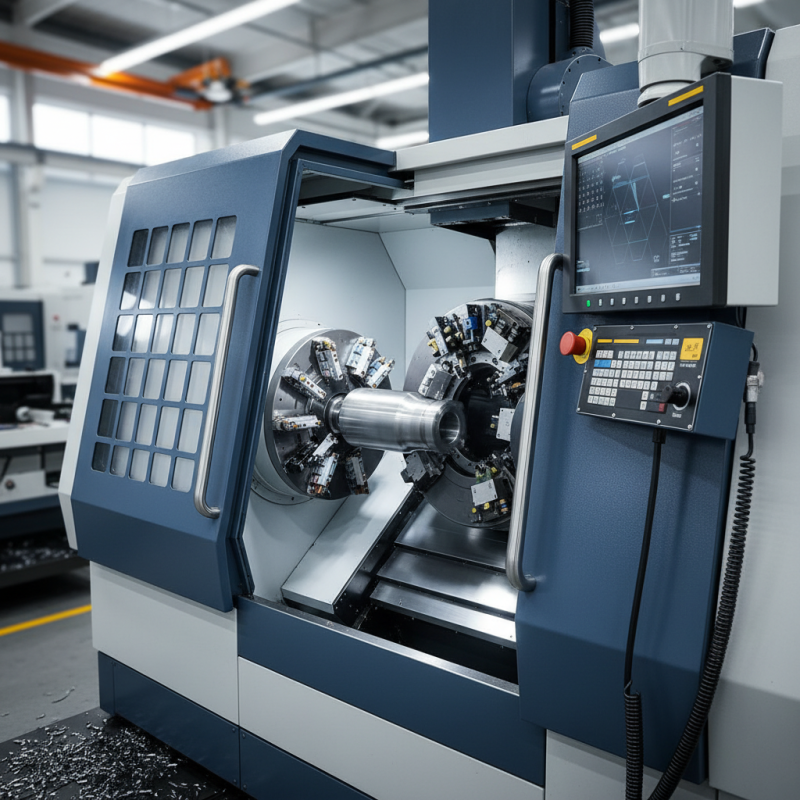
Essential Components of a CNC Turning Center
CNC turning centers are pivotal in modern machining. They automate the process of shaping materials with precision. Understanding the essential components of these machines is crucial for effective operation.
The spindle is vital. It holds the cutting tool securely and rotates at various speeds. According to a recent industry report, spindles can reach speeds exceeding 10,000 RPM. This capability significantly enhances material removal rates. However, maintaining spindle accuracy is challenging, leading to potential downtimes.
Next, the tool turret plays a critical role. It enables quick tool changes, reducing cycle times. Advanced turrets can hold multiple tools simultaneously, enhancing flexibility. However, if not managed properly, tool wear can compromise part quality. Lastly, the computer numerical control (CNC) system directs the entire operation. A sophisticated CNC system allows for complex programming, yet it requires skilled operators. The learning curve can be steep, and errors can lead to costly rework.
Understanding these components is essential to optimize CNC turning operations effectively. Balancing between advanced features and potential drawbacks is an ongoing challenge in the industry.
Key Technological Features Enhancing CNC Turning Performance
Understanding the key technological features of CNC turning centers can significantly enhance machining performance. One vital feature is the spindle speed. Higher spindle speeds allow for better surface finishes and faster cycle times. However, not every material can withstand high speeds, leading to potential issues. Choosing the right speed for your specific application is crucial.
Another essential feature is the tool holder system. A robust tool holder ensures maximum rigidity during machining. This reduces vibrations and changes in tool alignment, which can impact precision. To improve tool life, consider using a tool holder that minimizes deflection. The balance between rigidity and flexibility is delicate and should be assessed based on your specific tasks.
Tips: Regularly inspect your tools and holders for wear. Even slight damage can affect performance significantly. Ensure that your CNC machine is calibrated correctly to maintain precision. Mistakes in setup or tooling can lead to poor outcomes and costly reworks. Emphasizing on proper maintenance will always yield better results.
Importance of Precision and Tolerances in CNC Turning Centers
Precision in CNC turning centers is crucial. It defines how accurately a part is produced. High precision means tighter tolerances. This leads to better fit and function of the final product. Tolerances refer to the allowable deviation from the specified dimensions. Many factors influence tolerances, like tool wear and material properties.
In practice, achieving perfect tolerances is challenging. Even top machines show minor inconsistencies. Operators must regularly calibrate machines. Monitoring conditions can improve results. Temperature changes and vibrations affect precision. Sometimes, even slight adjustments can lead to significant improvements. It is essential to reflect on these factors during production.
Maintaining tight tolerances increases manufacturing costs. However, the benefits usually outweigh the expenses. Consider how precision affects quality. Today’s industries demand high-quality parts. Understanding tolerance levels can drive better designs. Overall, mastering precision is an ongoing process. It requires continuous learning and adaptation in the manufacturing environment.
Top 5 CNC Turning Center Features
This chart displays the top five features that are crucial for CNC turning centers, emphasizing the importance of precision and tolerances.
Automation and Its Impact on CNC Turning Efficiency
Automation has significantly transformed CNC turning efficiency. It streamlines processes, reduces manual labor, and enhances precision. Automated systems can operate continuously, improving production rates. However, the initial setup can be complex, and human oversight is still crucial. Many operators struggle with adapting to advanced features.
Operators should familiarize themselves with the software controlling these machines. This knowledge can prevent costly mistakes. Regular training sessions are vital. Ensuring that staff understand automation features can lead to better results.
Integration of sensors can provide real-time data. This feedback helps maintain optimal performance. Machines can alert operators about potential issues, but reliance on alerts can be a double-edged sword. Overconfidence might lead to neglecting manual checks. A balance between automatic and manual oversight is essential for sustained efficiency.
Top 5 CNC Turning Center Features You Must Know
| Feature | Description | Impact on Efficiency |
| Automatic Tool Changer | Allows for quick swapping of tools to minimize downtime during machining. | Increases production speed and reduces idle time. |
| Multi-Spindle Design | Enables simultaneous machining of multiple parts, enhancing throughput. | Significantly boosts productivity and efficiency. |
| Live Tooling | Allows for milling and drilling operations while the part is being turned. | Reduces the need for secondary operations, saving time and costs. |
| CNC Control Interface | User-friendly interface that allows for easier programming and operation. | Decreases learning time and improves machine utilization. |
| Tool Monitoring Systems | Tracks tool performance and wear to optimize replacement schedules. | Enhances tool life and minimizes production disruptions. |
Maintenance Considerations for Optimal CNC Turning Operations
Maintaining CNC turning centers is crucial for efficiency. Regular maintenance ensures smooth operations. Without proper care, machines may face downtime. This can lead to delays in production and increased costs.
Tip 1: Schedule routine inspections. Check for signs of wear on tools and components. Replace parts before they fail. This helps to avoid unexpected breakdowns.
Proper lubrication is essential. Dry or insufficient lubrication can cause overheating. This increases the risk of damage to critical components. Frequent lubrication checks can prevent such issues.
Tip 2: Keep the workspace clean. Dust and debris can affect performance. Regular cleaning helps maintain accuracy. A messy area can lead to safety risks, too.
Over time, operator skills may fade. Continuous training is essential for optimal performance. Engage your team in discussions about machine usage and care. Ignoring this can result in mistakes and costly repairs.





