China Top Heavy Cargo Drone Manufacturers for Global Buyers?
China has become a serious manufacturing base for Heavy Cargo Drone systems. Its suppliers serve logistics, agriculture, emergency response, infrastructure inspection, and remote-area transport. Yet “top manufacturer” should not mean the largest factory alone. Buyers need verified payload data, flight endurance, safety systems, production consistency, and responsive after-sales support.
The Civil Aviation Administration of China reported approximately 1.27 million registered civil drones and more than 23 million flight hours in 2023. These figures show a rapidly expanding operating environment, not just a growing hardware market. The CAAC’s Civil Unmanned Aviation Development Report also highlights stronger demand for low-altitude applications and professional drone services. MarketsandMarkets has projected continued growth in the commercial drone sector, driven by delivery, inspection, mapping, and industrial operations. However, broad market forecasts rarely separate heavy cargo aircraft from smaller camera drones. That limitation matters.
This guide examines leading Chinese manufacturers through a global buyer’s practical lens. It considers payload capacity, cargo-bay design, battery or hybrid power options, redundant flight controls, weather resistance, and maintenance access. A drone carrying 100 kilograms across a mountain valley needs more than an impressive brochure. It needs stable hover performance, reliable takeoff procedures, and clear recovery plans.
Public information remains uneven. Some manufacturers publish detailed test conditions; others provide only maximum figures. No supplier is perfect. Buyers should request flight logs, component specifications, training plans, spare-parts schedules, and independent demonstrations before signing contracts. Regional aviation rules, import requirements, radio standards, and insurance obligations also require careful review. This article provides a structured starting point for comparing China’s Heavy Cargo Drone manufacturers with greater confidence and fewer assumptions.
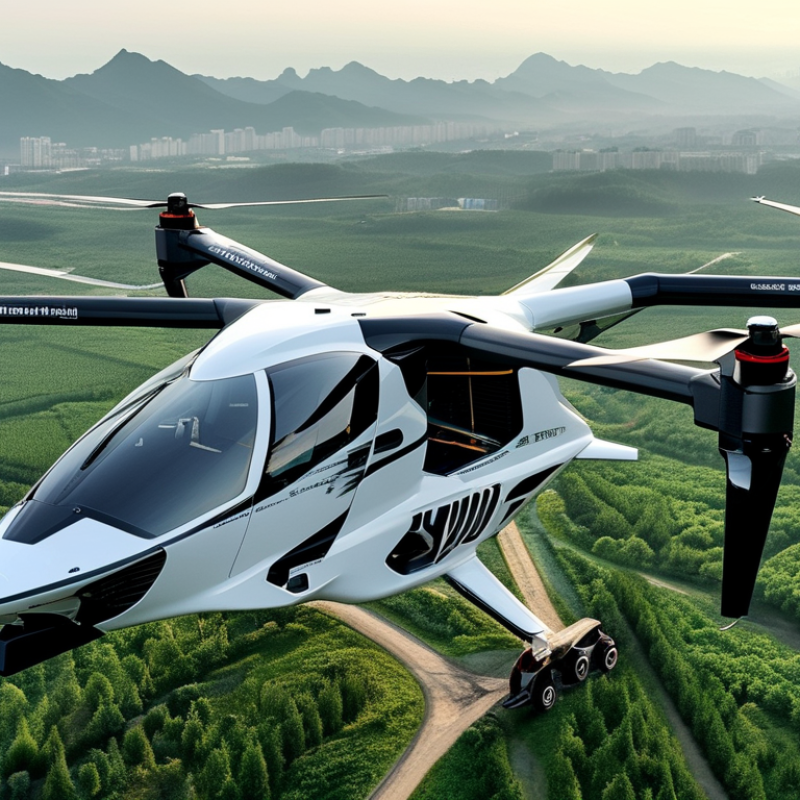
Heavy Cargo Drones: Definition, Uses, and Core Capabilities
Heavy Cargo Drones: Definition, Uses, and Core Capabilities
Heavy cargo drones are unmanned aircraft designed to carry substantial loads without a pilot onboard. Their payload capacity usually exceeds that of inspection or camera drones. Typical configurations include multirotor, fixed-wing, and hybrid vertical-takeoff designs. Each layout involves trade-offs between lifting power, range, noise, and landing flexibility.
These aircraft support construction sites, remote logistics, disaster relief, agricultural supply delivery, and infrastructure maintenance. A drone may move tools across a mountain road or deliver equipment between offshore platforms. Core capabilities include stable flight control, reliable navigation, obstacle awareness, and precise cargo release. Buyers should also examine flight endurance, wind resistance, battery-swapping speed, and ground-control usability. Payload figures need careful checking. Maximum capacity may apply only in ideal weather and short-distance flights.
For global buyers reviewing China-based manufacturers, engineering evidence matters more than impressive brochures. Ask for test records, component traceability, maintenance procedures, operator training, and clear after-sales support. Safety features should include redundant motors, power monitoring, emergency landing logic, and secure communication links. Weather sealing is useful, but it does not make every aircraft suitable for heavy rain or strong coastal winds. No platform is perfect. A larger payload can reduce range, while extra batteries can increase total weight. Buyers should compare complete operating scenarios, not isolated specifications. Rescue and logistics missions also require local aviation approval, trained personnel, and documented risk assessments.
China’s Heavy Cargo Drone Manufacturing Landscape
China’s heavy cargo drone manufacturing landscape is moving from prototypes toward repeatable industrial operations. Manufacturers now develop multirotor, hybrid, and electric vertical-takeoff platforms. Payloads commonly range from 50 to several hundred kilograms, depending on endurance, terrain, and certification requirements.
The Civil Aviation Administration of China reported about 1.27 million registered civil unmanned aircraft and 23.11 million flight hours in 2023. This scale supports stronger testing, component supply, and pilot training. Drone Industry Insights’ 2024 market analysis also identifies logistics and delivery as major commercial growth areas. However, published payload figures often reflect controlled conditions. Wind, battery temperature, and landing-site access can reduce real performance. That gap deserves careful review.
Tips: Ask for flight logs, not only brochures. Check payload capacity at the required range, altitude, and weather conditions. Request battery-cycle data, spare-part lead times, remote diagnostics, and maintenance procedures. Verify export documentation and local aviation approval requirements before purchasing. Factory visits can reveal assembly discipline, but one visit is not enough. Independent acceptance testing remains necessary. A practical trial should include uneven ground, repeated loading, emergency landing procedures, and a full return-to-base flight.
China’s Heavy Cargo Drone Manufacturing Landscape
Publicly disclosed maximum payload capacities show a broad Chinese heavy cargo UAV market, ranging from sub-ton logistics aircraft to multi-ton autonomous cargo platforms. The figures represent payload capability, not production or sales volume.
Data basis: publicly disclosed specifications for Chinese cargo UAV programs, including demonstrated or announced payload capacities.
Leading Chinese Manufacturers and Their Product Strengths
China’s leading heavy cargo drone manufacturers are building systems for mines, farms, islands, and emergency logistics. Their strongest advantage is practical engineering. Many factories combine airframe design, propulsion integration, flight-control software, and final assembly under one quality process. This shortens feedback loops. It also helps buyers request payload, endurance, and climate changes before production. Experienced teams test loaded aircraft on marked routes, not only in empty-air demonstrations. That difference matters.
Product strengths vary across manufacturers. Some focus on multirotor platforms with strong vertical lift and precise hovering. Others develop hybrid aircraft for longer routes and lower energy use. Common strengths include modular cargo boxes, quick battery replacement, terrain-aware navigation, and redundant motors or controllers. Composite frames reduce weight, while reinforced landing gear supports rough loading areas. Useful details appear in manuals: maximum payload at altitude, wind limits, charging time, and maintenance intervals. Buyers should ask for recorded test data, service response times, and spare-part availability.
Reliability depends on more than a large payload number. A unit may carry its rated load briefly, in mild weather, and on a short route. That is where marketing can become unclear. Compare delivered missions, inspection records, and operator training plans. Factory visits can reveal cable routing, battery storage, and assembly discipline. No supplier gets everything perfect. Chinese manufacturers still face uneven field support and software adaptation across regions. Careful acceptance testing, local compliance checks, and pilot training can reduce those gaps for global buyers.
China Top Heavy Cargo Drone Manufacturers for Global Buyers? - Leading Chinese Manufacturers and Their Product Strengths
| Manufacturer/Product Category | Typical Payload | Typical MTOW | Flight Endurance | Operating Range | Main Product Strength | Best-Fit Applications | Global Buyer Considerations |
| Heavy Multirotor Manufacturer | 100–200 kg | 250–400 kg | 20–40 minutes | 10–30 km | High lifting power, stable hovering, and relatively simple vertical takeoff and landing | Construction sites, emergency delivery, utility maintenance, and short-distance logistics | Battery charging infrastructure, spare batteries, payload mounting, and local operating permissions |
| Heavy Coaxial Multirotor Manufacturer | 150–300 kg | 400–700 kg | 25–50 minutes | 10–40 km | Compact airframe design with strong vertical lift capability in restricted landing areas | Mountain logistics, mine operations, firefighting support, and industrial lifting | Rotor redundancy, flight-control reliability, noise levels, and performance at high altitude |
| Hybrid-Electric VTOL Manufacturer | 150–300 kg | 500–800 kg | 2–4 hours | 150–400 km | Longer range and endurance than battery-only systems while retaining vertical takeoff capability | Intercity cargo transport, offshore support, remote-area supply, and disaster relief | Fuel quality, engine maintenance, emissions requirements, noise certification, and airspace approval |
| Unmanned Helicopter Manufacturer | 200–500 kg | 600–1,200 kg | 4–8 hours | 200–500 km | High endurance, strong wind tolerance, and better suitability for extended missions | Forestry operations, offshore inspection, pipeline patrol, medical supply, and remote logistics | Pilot-optional operation, maintenance training, fuel logistics, safety systems, and certification pathway |
| Electric VTOL Cargo Manufacturer | 50–150 kg | 150–300 kg | 30–90 minutes | 30–100 km | Low operating noise, low routine maintenance, and zero direct exhaust emissions during flight | Urban-edge delivery, island supply, medical transport, and warehouse-to-site logistics | Battery cycle life, charging time, thermal management, weather limitations, and grid availability |
| Modular Cargo Drone Manufacturer | 80–250 kg | 200–500 kg | 30–120 minutes | 20–120 km | Interchangeable cargo boxes, slings, winches, and mission-specific equipment | Agriculture, infrastructure projects, disaster response, and industrial material handling | Payload interface standards, software integration, spare-part availability, and operator training |
Note: The figures shown are representative ranges from publicly reported Chinese heavy-lift UAV configurations and should be confirmed against the specific aircraft configuration, payload, weather conditions, altitude, battery or fuel capacity, and local aviation regulations.
Global Buyer Guide: Certification, Logistics, and After-Sales Support
For global buyers, selecting a heavy cargo drone from China requires more than comparing payload numbers. Request verifiable airworthiness documents, production records, and flight-test reports. Confirm whether the aircraft meets the aviation authority’s requirements in your operating country. Remote identification, radio approval, operating permissions, and insurance may also apply. Requirements differ widely.
Ask the manufacturer to provide serial-number tracking, battery safety data, maintenance intervals, and software update procedures. An independent factory audit can reveal assembly quality, spare-parts storage, and technician training. During acceptance testing, check payload stability, emergency landing behavior, wind limits, and control-link performance. Test the drone with realistic cargo, not empty containers.
Logistics planning needs equal attention. Confirm crate dimensions, battery transport rules, customs documents, and delivery responsibilities before payment. Lithium batteries may require special handling and separate paperwork. After-sales support should include remote diagnostics, replacement parts, pilot training, and response-time commitments. Get these terms in writing.
No supplier is perfect. A polished presentation can still hide weak field support. Buyers should contact previous commercial users, inspect maintenance records, and budget for local technical training. Small details matter. A delayed propeller, unclear firmware update, or missing customs document can stop an entire operation. Careful verification reduces expensive surprises, but it cannot remove every operational risk.





