


China’s oilfield equipment sector is gaining attention as drilling activity remains essential to energy security. The International Energy Agency’s Oil 2024 report expects global oil demand to remain substantial through 2030, despite faster growth in low-carbon energy. OPEC’s World Oil Outlook 2024 also projects long-term oil demand growth. These trends support continued investment in reliable drilling systems, including the Oilfield Mud Pump.
Market research from Grand View Research and Mordor Intelligence identifies drilling equipment as a major segment within the broader oilfield services and equipment industry. Their analyses highlight demand for high-pressure, high-flow pumping systems, especially in land drilling and unconventional operations. China offers a broad manufacturing base, with suppliers producing triplex and quintuplex pumps, fluid-end modules, expendable parts, and complete power-end assemblies. Some factories also provide customized configurations for different rig packages. That matters in practice.
A qualified supplier should demonstrate more than a low quotation. Buyers need verifiable production experience, pressure-test records, material certificates, machining capabilities, and responsive spare-parts support. API Spec 7K provides an important reference for drilling and well-servicing equipment, while ISO-based quality systems can strengthen process control. However, certification claims require careful verification. A logo on a website is not proof.
This guide examines China’s leading Oilfield Mud Pump manufacturers and suppliers through product range, technical capability, quality assurance, delivery performance, and after-sales service. It also considers practical details, such as valve replacement time, liner availability, shipment protection, and field maintenance. Supplier rankings are never perfect. Actual performance depends on configuration, operating conditions, and honest communication.
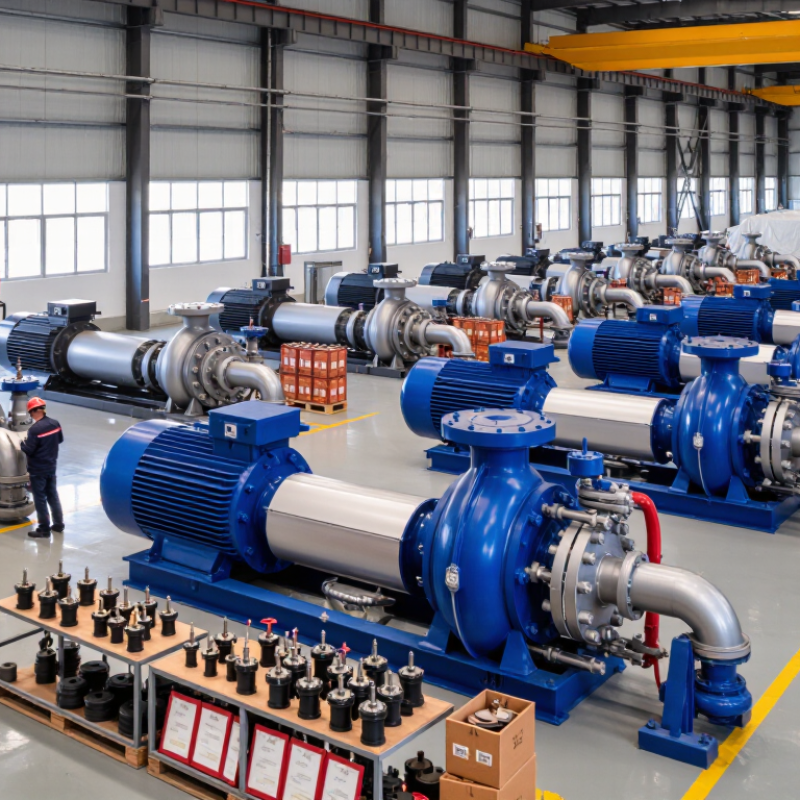
Oilfield mud pumps are positive-displacement reciprocating pumps used to circulate drilling fluid through a well. They send mud down the drill string and return it through the annulus. This fluid carries rock cuttings to the surface. It also cools the bit, supports wellbore stability, and helps control formation pressure. Pressure matters underground.
During field inspections, technicians monitor pressure, flow rate, vibration, and unusual noise. A sudden pressure drop may indicate a damaged liner, worn piston, leaking valve, or blocked passage. These are common wear points. Reliable suppliers should explain maintenance intervals and provide clear technical records, material certificates, and spare-part support. Factory testing is useful, but it cannot reproduce every drilling condition.
When comparing China-based manufacturers and suppliers, buyers should match pump capacity with depth, mud density, solids content, and operating hours. A pump suitable for shallow drilling may struggle with abrasive fluid and continuous high-pressure work. Catalog ratings can look impressive. They are not the whole answer. Field reports often reveal problems that specifications hide, especially around sealing systems and spare-part delivery. One overlooked seal can stop an entire shift. That lesson deserves attention. Proper installation, trained operators, and regular inspections still influence performance as much as the pump itself. Equipment selection involves judgment, and even a carefully prepared plan may need adjustment after real site data appears.

Choosing Chinese mud pump manufacturers requires more than comparing prices. Field experience shows that pump reliability depends on design accuracy, material quality, and consistent assembly. Request detailed specifications for flow rate, discharge pressure, power rating, stroke length, liner size, and operating hours. The supplier should explain how each value fits your drilling program.
Inspect the manufacturer’s production capability, not only its catalog. Ask for factory photos, machining records, pressure-test reports, and serial-number traceability. Independent testing or documented quality procedures can strengthen confidence. Check whether engineers understand pulsation control, fluid compatibility, bearing loads, and routine maintenance. A reliable supplier also provides spare parts, clear warranty terms, installation guidance, and responsive technical support. Vague promises are warning signs.
Tips: Compare at least three suppliers using the same technical requirements. Request a sample inspection before full production. Confirm export documents and applicable industry certifications. Speak with previous users when possible. Shortcuts can become expensive.
A perfect checklist does not exist. Even experienced buyers can overlook service response time or replacement-part availability. I would also review packaging, corrosion protection, and commissioning instructions before payment. Small details matter when a pump operates continuously under dust, vibration, and high pressure.
Chinese oilfield mud pump suppliers are increasingly divided by pump design, drive system, and drilling conditions. Triplex pumps remain the leading type because they provide stable pressure with fewer pulsations. Duplex pumps still serve demanding, lower-speed operations where simple maintenance matters. Quintuplex pumps attract attention on high-pressure rigs, although their higher cost requires careful lifecycle analysis.
According to API Spec 7K, drilling fluid pumps must meet defined requirements for pressure-containing parts, safety, and testing. Suppliers with documented hydrostatic tests, material traceability, and factory performance records deserve closer review. Field engineers usually compare rated horsepower, maximum discharge pressure, liner size, stroke rate, and spare-parts availability. A 1,000-horsepower triplex pump may look attractive, but unsuitable liners can quickly reduce efficiency. This is where supplier experience becomes visible.
Industry reports support continued equipment demand. The International Energy Agency projected global oil demand near 103 million barrels per day in 2024, while Baker Hughes reported sustained international drilling activity. These figures do not guarantee every pump project will be profitable. Chinese suppliers commonly offer skid-mounted, trailer-mounted, and electric-drive configurations for different rig layouts. Some provide complete fluid-end assemblies; others focus on valves, liners, pistons, and expendable parts. Buyers should verify independent inspection records and after-sales response times. Documentation is sometimes weaker than the hardware. That weakness deserves honest attention.
When comparing oilfield mud pump models, start with the drilling program, not the supplier’s headline rating. A triplex pump may offer smoother flow and lower pulsation than many duplex designs. However, a duplex model can remain practical for simpler wells and controlled operating conditions. Check rated pressure, maximum flow, stroke length, and power demand together. A high-pressure figure means little if the pump cannot sustain it during continuous circulation.
Examine the hydraulic end closely. Replaceable liners, accessible valves, and corrosion-resistant fluid ends can reduce maintenance delays. Confirm that the pump handles the planned mud density, solids content, and chemical additives. Ask suppliers for tested performance curves, not only catalog values. Compare output at the actual operating pressure. Small differences become important when the pump runs twelve hours daily. Keep spare parts availability in the comparison.
Field reliability also depends on the power end, lubrication system, pulsation dampener, and monitoring instruments. Look for clear service records and documented factory testing. A useful supplier should explain pressure derating, expected liner life, and recommended inspection intervals. Do not ignore noise, vibration, or foundation requirements. They often reveal installation problems before a major failure. My own evaluation standard is still imperfect; laboratory efficiency may not match muddy, abrasive field conditions. Leave room for measured site data.
The chart compares representative triplex mud pump classes by rated flow and discharge pressure. Ratings are commonly used industry benchmarks; actual performance depends on liner size, stroke length, operating speed, fluid density, and pressure limitations.
Higher horsepower classes generally support greater drilling-fluid circulation rates, while pressure capability is determined by the fluid end, liner configuration, and operating conditions. Flow values are shown in litres per minute and pressure values in MPa.
Purchasing an oilfield mud pump in China requires more than comparing quotations. Begin with operating data, including pressure, flow rate, drilling fluid density, and working environment. Ask suppliers for detailed drawings, material specifications, production schedules, and inspection procedures. Factory visits can reveal machining quality, storage conditions, and assembly discipline. A clean workshop is useful evidence, but it is not proof.
Request a pre-shipment inspection with measurable checks. Inspect the fluid end, liners, pistons, valves, crankshaft, bearings, and lubrication system. Review dimensional reports, pressure-test records, vibration readings, and material certificates. Run the pump under load when possible. Paperwork is not enough. I have seen minor flange differences delay installation because drawings were approved too quickly. Confirm spare-part compatibility before payment, especially for wearing components and sealing kits. Keep records.
After-sales support should be written into the contract. Define warranty coverage, response time, remote troubleshooting, and technician availability. Ask whether spare parts are stocked in China and how quickly they can be exported. Clear videos, maintenance manuals, and online training can reduce downtime during the first operation. However, remote advice cannot replace skilled site inspection when abnormal noise or pressure fluctuation appears. Some suppliers promise fast support but respond slowly after delivery, so test their communication before signing. A reliable supplier accepts technical questions, documents problems honestly, and adjusts procedures when field feedback exposes weaknesses.


For those larger-sized parts, or smaller quantity runs, we have 2 independent powder coat booths and ovens. The quality, durability and affordability of today’s powder coating finishes make this the process of choice for world-class companies.
Powder coating advantages over other forms of coating are many. Materials used in the Powder coating process can be metals and non-metals that come in a multitude of thicknesses, textures, colors, etc. Another of Powder coating’s biggest advantages over conventional coatings is its ability to create finishes in many different textures. Powder Coating Booths allow us the ability to apply these advantages to large products.
Tri-State Fabricators runs a full-service conveyor line for painting. Wet painting can provide protection or decoration to many different part styles. From start to finish, every project is easier to undergo random and point-based inspection by our skilled painting team.
Advantages to our Wet Paint Line are these lines start with product prep and ends with a thorough inspection of a high quality finished product. Our ability to complete large and small projects with a superior finish and doing so in a timely and economical fashion. This passes along the savings in production to our customers. When powder coating ins not an option, our Wet Paint Line gets the job done right the first time.
When the parts get big and heavy we roll-out our custom paint racks and oversize booth. By utilizing our partnerships with all the major paint brands, we can match virtually any color with wet paint.
The advantages of having access to a Wet Paint Booth are many. Large projects of many different shapes can be loaded into the booth. The Wet Paint Booth offers an environment that is much more controlled than a typical parts painting operation.
Not only are they used because of their controlled environment, but they’re are also advantageous when it comes to applying paint to parts that are needed in industries that require specialty coatings such as medical, aerospace, etc.
Our military forces have some very high standards when it comes to the finish of their vehicles and equipment. From the first pre-treatment step to final coat, it takes a great deal of knowledge and experience to protect the men and women of our armed forces. They deserve only the best, and Tri-State Fabricators provides it.
All of our processes are closely monitored by our staff and management teams. Both of which are highly trained in the processes of metal fabrication and finishing. Tri-State Fabricators’ goal is to always fully satisfy each and every customer, including the military. We will always put a 110% into what we do.
Abrasive media blasting is an excellent way to remove old paint, rust, and increase the paint/powder adhesion. Glass beads produce a much smoother and brighter finish than angular abrasives; leaving the part clean yet without any dimensional change. Chemically inert and environmentally friendly, we can recycle our beads approximately 30 times; making them a more preferred method of metal cleaning or surface finishing.
Advantages to Glass Bead Blasting are many. Glass bead blast media is used when a project is needing rough surfaces need to become smooth for applications of coatings such as paint. It is typically used to clean paint and rust from a product surface without deforming the surface it is being used on. Overall, compared to many other blasting media, Glass Bead Blasting is a very economical choice and those savings are always passed on to our customers.
Tri-State Fabricators utilize a zinc phosphate wash to clean and etch the material to ensure the best paint adhesion possible. The unique design of our 3-stage wash system does the work like a 5-stage. From Cleaning and rinsing to conversion coating and post-treatment, Our Part Washing process is a complete service and works throughout the fabrication service and the finishing service.
Along with the previously mentioned benefits, Curing is a vital chemical reaction that leaves the product finish hard and relatively safe from mild abrasion and aggressive corrosion. This process can be done in more than one way; ambient air-dry or in curing ovens at temps that exceed 240°.
From fixing paint mistakes (someone else’s of course) to simply cleaning our paint line hooks, our burn-off oven is put to good use. After a quick burn-off, a little clean up, and a fresh coat of paint, your parts will look better than new.
Why does our Burn-Off Oven work so well? Because super heating the air around parts turns the materials into ashes. From paint and powder coatings to rubber and machining oils, high temps do the job without degrading the integrity of the part.
Masking is a vital part of producing high quality products. We have die-cut masking patterns to protect machined surfaces as well as a wide range of plugs and caps to protect threaded holes and bolts. We provide permanent and temporary masking.
Masking allows the selected sections of a product to be protected from a fabrication or finishing service. This can be with both chemicals when etching and tapes, paints when only finishing just a section of the product. Masking is great in aiding the customization process of a project.
Screen printing is a photographic process that transfers artwork onto a porous nylon screen which allows colored ink to flow through the screen and be deposited on an aluminum or plastic component. We can generally have just about any design created onto a screen for your parts.
Some of the advantages of Screen Printing are, brand recognition for your business displaying on your products, assembly instructions, product warnings/hazards, etc. Tri-State Fabricators produces Screen Printing of the highest quality so you know it’s durable.
Metal Finishing is the art of treating the exterior portion of product, often metal but can also be made of other materials, so that the surface is clean and free of any debris. Then the process of applying coats or either paint of powder coat takes place. This coating process improves the quality of the product in both appearance and resistance to wear and corrosion.
Tri-State Fabricators, Inc., understands that a project typically isn’t complete until a high-quality finish has been added to your product. This is why our painting and powder coating teams continuously inspect the products throughout the Metal Finishing process.

