


China has become a significant sourcing hub for Laundry Disinfectant, serving retailers, hospitality groups, and professional cleaning companies worldwide. Global buyers often seek reliable formulas, stable supply, and packaging suited to different markets. Yet supplier selection requires more than comparing prices or reading product claims.
This guide introduces leading Chinese suppliers and the practical details buyers should examine. Product documentation matters. Request a current Safety Data Sheet, Certificate of Analysis, ingredient information, and batch traceability records. Check whether the manufacturer can provide samples from the intended production line. A sample bottle may look excellent, while later batches perform differently. That risk deserves attention.
Quality also appears in small details. Inspect cap strength, label durability, carton protection, and leakage after transport simulation. Ask about fragrance consistency, dilution guidance, contact time, and compatibility with common fabrics. Independent testing can support claims, but testing should match the destination market and product use. Compliance requirements vary by country, so buyers should confirm them with qualified local professionals.
No supplier is perfect. Some factories have strong production capacity but limited export communication. Others offer polished documents but weaker after-sales support. This guide therefore considers factory experience, technical capability, certifications, production transparency, and response quality. Pricing remains important, but dependable delivery and honest communication often protect margins better. Careful verification is slower at the beginning, yet it can prevent costly recalls, customer complaints, and damaged brand trust.
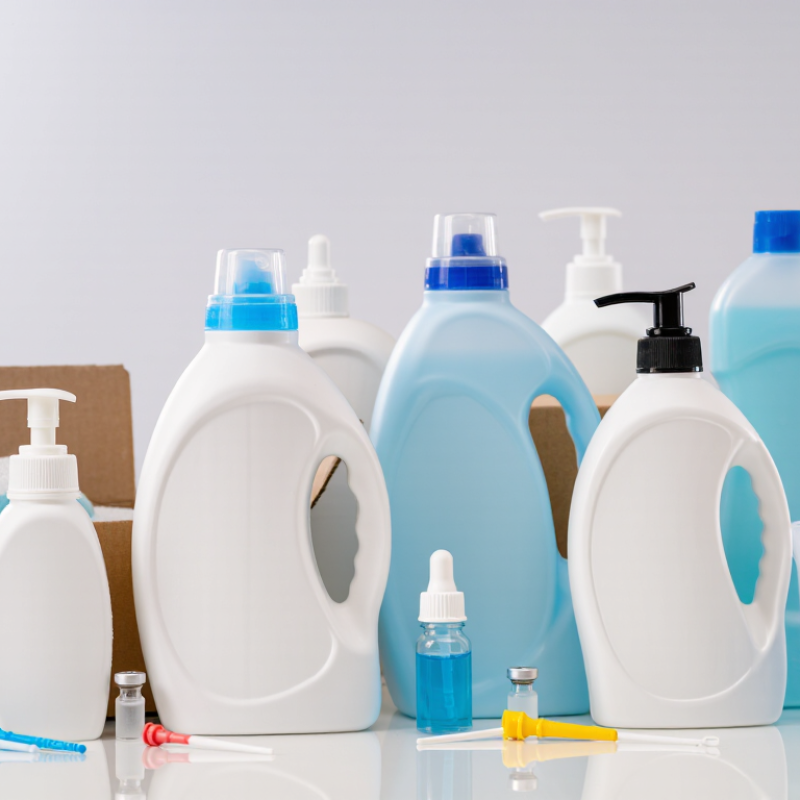
China’s laundry disinfectant supplier landscape is broad, but quality varies by factory type. Many manufacturers combine disinfectant production with detergent, textile care, or contract manufacturing. This structure supports flexible private-label orders and smaller trial batches. It also creates uneven technical depth.
Grand View Research reported that the global laundry detergent market reached about USD 171.8 billion in 2023. Its forecast points to steady growth through 2030. Laundry disinfectants remain a smaller category, but hygiene demand supports continued interest. The WHO and UNICEF Joint Monitoring Programme reported that 1.7 billion people lacked basic hygiene services at home in 2022. This figure shows the wider need, but it does not prove every disinfectant product performs well. Buyers should separate market growth from verified efficacy.
Tips: Request recent test reports, ingredient specifications, stability data, and batch records. Confirm efficacy against the organisms claimed on the label. Check factory audits, production capacity, packaging compatibility, and export documentation. A sample may look clear in a bottle but become cloudy after transport or low-temperature storage. Ask for testing at realistic wash temperatures, not only ideal laboratory conditions. Suppliers with ISO-based quality systems can offer better traceability, yet certification alone is not enough. Review the issuing body and certificate scope carefully. One weakness in this market is inconsistent English documentation. Clear technical files often reveal a supplier’s practical experience. A video audit is useful, but an independent inspection is stronger. Costs should include testing, freight, registration, and rejected-batch risk. a practical detail many buyers overlook.
| Supplier Landscape Segment | Common Manufacturing Cluster | Typical Product Formats | Active Ingredient Categories | Typical Buyer Applications | Export and Compliance Considerations | Recommended Buyer Verification |
|---|---|---|---|---|---|---|
| Large-scale household disinfectant manufacturers | Jiangsu, Zhejiang, Guangdong and Shandong | Liquid concentrates, ready-to-use liquids, laundry additives and refill packs | Quaternary ammonium compounds, oxygen-releasing systems and other locally permitted biocidal actives | Household laundry, washable textiles and institutional cleaning programs | Destination-country registration, permitted claims, Safety Data Sheet, transport classification and compliant labeling may be required. | Request a current Certificate of Analysis, ingredient disclosure, stability data, efficacy test method and batch traceability procedure. |
| OEM and private-label specialists | Guangdong, Zhejiang, Fujian and Jiangsu | Custom liquids, single-use sachets, bottles, pouches and contract-filled products | Formulations selected according to target-market regulations, fabric compatibility and required contact time | Retail private labels, e-commerce products, hospitality and cleaning-service supply | Artwork must reflect the importer of record, local language, dosage instructions, hazard information and approved disinfectant claims. | Confirm formulation ownership, minimum order quantity, packaging compatibility, pilot-batch process and change-control policy. |
| Institutional and commercial laundry suppliers | Shanghai, Jiangsu, Zhejiang, Guangdong and Shandong | High-concentration liquids, dosing-system products and larger-volume containers | Laundry-compatible antimicrobial systems designed for controlled dilution and specified wash conditions | Hotels, hospitals, food-service laundries and uniform-processing facilities | Buyers should verify whether the product is legally authorized for textile disinfection and whether its claims cover the intended professional use. | Evaluate dosing accuracy, material compatibility, wastewater requirements, technical support and on-site training. |
| Specialty formulation and research-oriented suppliers | Shanghai, Jiangsu, Zhejiang and Guangdong | Concentrated bases, fragrance-free formulas, low-temperature products and customized blends | Low-residue, low-odor or fabric-sensitive systems selected through laboratory testing | Sensitive textiles, premium household care, baby-care positioning and specialized textile operations | Marketing language must not exceed the approved efficacy evidence or local legal definition of a disinfectant. | Ask for fabric-damage testing, colorfastness results, odor assessment, low-temperature performance and accelerated stability data. |
| Eco-positioned and reduced-impact suppliers | Zhejiang, Jiangsu, Guangdong and Fujian | Concentrates, refill formats, lightweight packaging and fragrance-reduced products | Biodegradability-focused surfactant systems and permitted antimicrobial technologies | Sustainable retail ranges, refill programs and buyers with packaging-reduction targets | Environmental claims require substantiation; recyclable packaging does not by itself prove overall environmental performance. | Verify biodegradability documentation, packaging material specifications, recycled-content evidence and third-party certifications where applicable. |
| Export-focused trading and sourcing partners | Shanghai, Ningbo, Shenzhen, Guangzhou and Qingdao supply networks | Standard finished goods, mixed packaging configurations and consolidated shipments | Products sourced from qualified factories according to the buyer’s target specification | Importers seeking supplier consolidation, multilingual support and shipment coordination | The trading partner should clearly identify the actual manufacturer, exporter, product classification and responsible compliance party. | Check factory authorization, inspection records, export history, product liability arrangements and consistency between documents and packaging. |
Buyer note: Product availability, active ingredients, efficacy claims and registration requirements vary by destination market. Buyers should confirm the applicable rules with the importing-country authority before placing an order.

China Top Laundry Disinfectant Suppliers for Global Buyers
Laundry disinfectants usually fall into three product types: liquid concentrates, ready-to-use liquids, and powder or tablet formats. Liquid concentrates suit commercial laundries because they reduce shipping volume and allow dosage control. Ready-to-use products are simpler for households, but their packaging costs more. Powders and tablets resist leakage, although they may dissolve poorly in cold water.
Active ingredients determine performance and fabric compatibility. Hydrogen peroxide-based formulas can support oxygen-based whitening and odor control, when used at approved concentrations. Sodium hypochlorite works strongly on suitable white textiles, but it can damage colors, elastic fibers, and metal parts. Quaternary ammonium compounds are used in some antimicrobial laundry formulas, yet residues and rinse requirements need careful testing. Peracetic acid may suit controlled industrial systems, not every household washer.
Global buyers should request an SDS, certificate of analysis, batch traceability, stability data, and independent efficacy reports. Check the tested organisms, contact time, water temperature, and fabric types. A label claim is not enough. Local registration rules also differ, so suppliers should provide adaptable documentation. Fragrance can suggest cleanliness, but it proves little. No formula is perfect. A product that performs well in warm water may disappoint in a short, cold cycle. Pilot washing trials often reveal this uncomfortable detail before large orders begin.
Evaluate Chinese laundry disinfectant manufacturers through evidence, not polished factory photos. ISO’s 2023 Survey recorded 1,265,216 ISO 9001 certificates worldwide. Certification helps, but it does not prove disinfectant performance. Request the current certificate, audited scope, production address, and renewal status. Then compare the active ingredient assay, pH, stability data, safety data sheet, and batch-specific certificate of analysis. A serious supplier should explain test methods clearly.
Ask for independent efficacy reports matching your target market. Check the tested organisms, contact time, temperature, fabric type, and soil conditions. These details matter.
A product tested on clean cotton may perform differently on towels carrying body oils.
Review conformity with applicable standards, including relevant Chinese disinfection requirements and destination-country rules. Verify factory hygiene controls, water quality, filling accuracy, and retained samples. Video audits are useful, but an in-person inspection offers stronger evidence.
Trade data can mislead because disinfectants may appear under broad customs categories. Do not judge capability from export volume alone. Request three recent batch records and trace one lot from raw material receipt to shipment.
I would also test a sealed sample after transport simulation. Heat, freezing, and long storage can change odor, viscosity, or efficacy.
Some suppliers answer quickly but provide incomplete records. That is a warning, not a minor inconvenience. A careful buyer should document every gap before approving a manufacturer.
China’s laundry disinfectant suppliers now face stricter scrutiny from global buyers. Grand View Research projects the global disinfectants market to grow at about 7% annually through 2030. This expansion increases pressure on suppliers to prove safety, consistency, and legal market access.
Compliance starts with the destination country. In the European Union, laundry disinfectants may require approval under the Biocidal Products Regulation. In the United States, antimicrobial claims can trigger registration under FIFRA. Chinese manufacturers should prepare a current Safety Data Sheet, ingredient disclosure, Certificate of Analysis, batch number, and stability records. ISO 9001 supports quality control, but it does not replace product registration. A certificate alone is not enough.
Export documents must match the physical product. Labels should show active ingredients, dosage, contact time, warnings, storage temperature, and responsible importer details. Buyers should also check transport classification, packaging strength, customs codes, and language requirements before shipment. A leaking bottle inside a carton can create a costly dispute. Testing should cover microbial efficacy and shelf life under realistic conditions, not only ideal laboratory temperatures. The OECD’s chemical safety guidance emphasizes reliable hazard communication, yet many supplier files still contain outdated translations. That gap deserves attention. Supplier audits, retained samples, and lot-level traceability offer stronger evidence than attractive brochures.
Global sourcing should begin with a clear product brief, not a low quotation. Define the active ingredients, concentration, fragrance, fabric compatibility, package size, and target market. Ask suppliers for recent COAs, SDS files, stability data, and efficacy test reports. Documents should match the exact formula and production site. A polished sample can still mislead. Request production samples from a normal batch.
Quality control needs measurable checkpoints. Inspect incoming raw materials, active concentration, pH, appearance, odor, and microbial limits. Review batch records and retain samples for future comparison. An independent laboratory can verify disinfectant performance before shipment. Factory audits also matter, especially when suppliers outsource filling or packaging. I would not rely on certificates alone. Procedures may look excellent on paper but fail during peak production.
Global shipping requires careful document and packaging review. Confirm product classification with the current SDS and the selected carrier. Some formulas ship as ordinary chemical goods, while others may require special handling. Never assume. Check labeling, carton strength, pallet dimensions, shelf life, and temperature limits before booking space. Align Incoterms, inspection timing, customs documents, and insurance responsibilities in writing. A small label error can delay a container for weeks. Lead times also change around holidays, so build a practical buffer. Mistakes happen. Good sourcing leaves room to correct them.


For those larger-sized parts, or smaller quantity runs, we have 2 independent powder coat booths and ovens. The quality, durability and affordability of today’s powder coating finishes make this the process of choice for world-class companies.
Powder coating advantages over other forms of coating are many. Materials used in the Powder coating process can be metals and non-metals that come in a multitude of thicknesses, textures, colors, etc. Another of Powder coating’s biggest advantages over conventional coatings is its ability to create finishes in many different textures. Powder Coating Booths allow us the ability to apply these advantages to large products.
Tri-State Fabricators runs a full-service conveyor line for painting. Wet painting can provide protection or decoration to many different part styles. From start to finish, every project is easier to undergo random and point-based inspection by our skilled painting team.
Advantages to our Wet Paint Line are these lines start with product prep and ends with a thorough inspection of a high quality finished product. Our ability to complete large and small projects with a superior finish and doing so in a timely and economical fashion. This passes along the savings in production to our customers. When powder coating ins not an option, our Wet Paint Line gets the job done right the first time.
When the parts get big and heavy we roll-out our custom paint racks and oversize booth. By utilizing our partnerships with all the major paint brands, we can match virtually any color with wet paint.
The advantages of having access to a Wet Paint Booth are many. Large projects of many different shapes can be loaded into the booth. The Wet Paint Booth offers an environment that is much more controlled than a typical parts painting operation.
Not only are they used because of their controlled environment, but they’re are also advantageous when it comes to applying paint to parts that are needed in industries that require specialty coatings such as medical, aerospace, etc.
Our military forces have some very high standards when it comes to the finish of their vehicles and equipment. From the first pre-treatment step to final coat, it takes a great deal of knowledge and experience to protect the men and women of our armed forces. They deserve only the best, and Tri-State Fabricators provides it.
All of our processes are closely monitored by our staff and management teams. Both of which are highly trained in the processes of metal fabrication and finishing. Tri-State Fabricators’ goal is to always fully satisfy each and every customer, including the military. We will always put a 110% into what we do.
Abrasive media blasting is an excellent way to remove old paint, rust, and increase the paint/powder adhesion. Glass beads produce a much smoother and brighter finish than angular abrasives; leaving the part clean yet without any dimensional change. Chemically inert and environmentally friendly, we can recycle our beads approximately 30 times; making them a more preferred method of metal cleaning or surface finishing.
Advantages to Glass Bead Blasting are many. Glass bead blast media is used when a project is needing rough surfaces need to become smooth for applications of coatings such as paint. It is typically used to clean paint and rust from a product surface without deforming the surface it is being used on. Overall, compared to many other blasting media, Glass Bead Blasting is a very economical choice and those savings are always passed on to our customers.
Tri-State Fabricators utilize a zinc phosphate wash to clean and etch the material to ensure the best paint adhesion possible. The unique design of our 3-stage wash system does the work like a 5-stage. From Cleaning and rinsing to conversion coating and post-treatment, Our Part Washing process is a complete service and works throughout the fabrication service and the finishing service.
Along with the previously mentioned benefits, Curing is a vital chemical reaction that leaves the product finish hard and relatively safe from mild abrasion and aggressive corrosion. This process can be done in more than one way; ambient air-dry or in curing ovens at temps that exceed 240°.
From fixing paint mistakes (someone else’s of course) to simply cleaning our paint line hooks, our burn-off oven is put to good use. After a quick burn-off, a little clean up, and a fresh coat of paint, your parts will look better than new.
Why does our Burn-Off Oven work so well? Because super heating the air around parts turns the materials into ashes. From paint and powder coatings to rubber and machining oils, high temps do the job without degrading the integrity of the part.
Masking is a vital part of producing high quality products. We have die-cut masking patterns to protect machined surfaces as well as a wide range of plugs and caps to protect threaded holes and bolts. We provide permanent and temporary masking.
Masking allows the selected sections of a product to be protected from a fabrication or finishing service. This can be with both chemicals when etching and tapes, paints when only finishing just a section of the product. Masking is great in aiding the customization process of a project.
Screen printing is a photographic process that transfers artwork onto a porous nylon screen which allows colored ink to flow through the screen and be deposited on an aluminum or plastic component. We can generally have just about any design created onto a screen for your parts.
Some of the advantages of Screen Printing are, brand recognition for your business displaying on your products, assembly instructions, product warnings/hazards, etc. Tri-State Fabricators produces Screen Printing of the highest quality so you know it’s durable.
Metal Finishing is the art of treating the exterior portion of product, often metal but can also be made of other materials, so that the surface is clean and free of any debris. Then the process of applying coats or either paint of powder coat takes place. This coating process improves the quality of the product in both appearance and resistance to wear and corrosion.
Tri-State Fabricators, Inc., understands that a project typically isn’t complete until a high-quality finish has been added to your product. This is why our painting and powder coating teams continuously inspect the products throughout the Metal Finishing process.

