Top Cable Connector Types for Global Buyers Guide?
In today's interconnected world, choosing the right cable connector is essential for performance and reliability. Cable connectors serve as the backbone for various electronic devices, ensuring seamless communication between components. The variety of cable connectors available can be overwhelming. Understanding their types and applications will empower global buyers to make informed decisions.
Each cable connector type has unique specifications that cater to specific needs. For instance, HDMI connectors are vital for multimedia devices, while USB connectors dominate computer connections. However, not all connectors are equal. Factors such as compatibility, durability, and cost come into play. Potential buyers often grapple with determining which connector suits their requirements best.
Exploring the world of cable connectors requires a critical approach. While manufacturers advertise their products extensively, users must consider real-world applications. Not every connector is appropriate for every situation. Therefore, reflection on one’s specific needs and potential limitations is crucial for optimal performance. Navigating through this guide will provide valuable insights, helping buyers choose wisely among the myriad cable connector options.
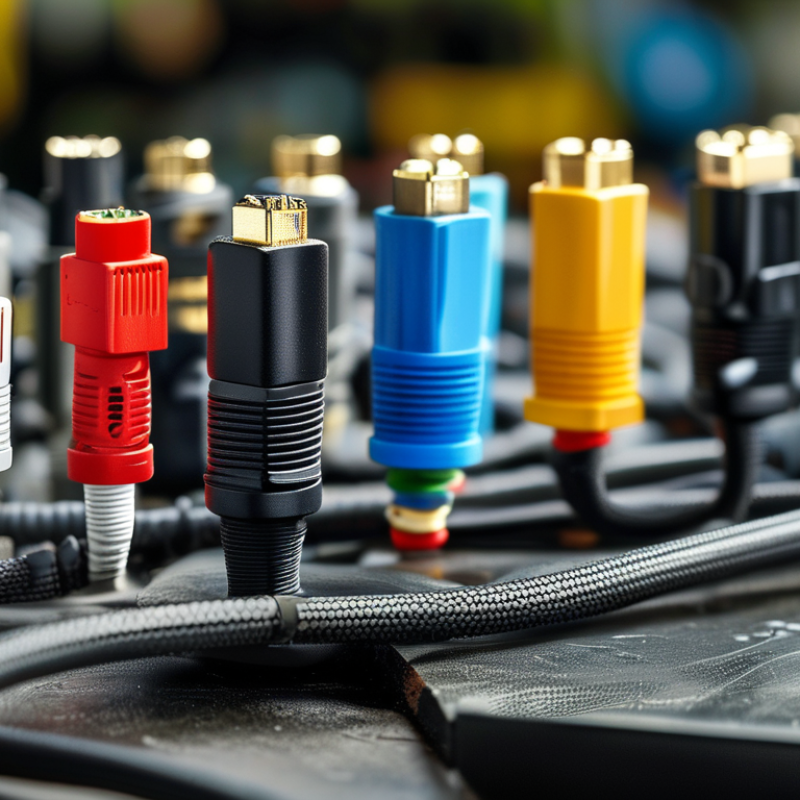
Overview of Cable Connector Types for Different Applications
When discussing cable connectors, it’s vital to understand their diverse applications. Different devices require specific connector types to ensure optimal performance. For instance, USB connectors are commonly used in consumer electronics. They provide power and data transmission efficiently. However, many users often overlook the importance of matching the right connector with their devices.
Another prevalent type is the HDMI connector, widely used for video and audio applications. While it is standard in home entertainment systems, some users face compatibility issues. Such challenges highlight the need for awareness in choosing the right type. Meanwhile, for industrial applications, circular connectors are favored due to their robust design. Yet, their complexity can be daunting for those unfamiliar with them.
In many cases, buyers may rush decisions, sticking with familiar options. This often leads to inefficiencies and even damage to devices. It’s crucial to reflect on your needs before making a purchase. Understanding the nuances of each type can lead to better performance and longevity in your connections.
Key Features and Specifications of Common Cable Connectors
In the realm of cable connectors, several types dominate the market due to their unique features. Some of the most common types include HDMI, USB, and RJ45 connectors. Each type serves distinct purposes, catering to different industry needs. For instance, HDMI connectors deliver high-definition video and audio, making them essential in the consumer electronics sector. According to a 2022 industry report, HDMI ports were present in over 90% of new TVs sold globally.
USB connectors, especially USB-C, are gaining immense popularity due to their versatility and fast data transfer rates. A recent survey indicated that 65% of electronic devices now utilize USB-C connectors. This trend highlights the shift towards more unified connectors, streamlining consumer experiences. However, not all connectors' specifications are standardized, leading to compatibility issues. Such inconsistencies can confuse buyers when selecting cables for their devices.
RJ45 connectors remain a staple in networking applications, allowing for reliable Ethernet connections. Though powerful, the reliability of RJ45 is sometimes challenged by varying cable quality. Poor quality cables can lead to decreased performance and reliability. As buyers weigh their options, they must consider the specific features and potential shortcomings of each connector type. Awareness of these elements can greatly assist in making informed purchasing decisions in a crowded market.
Comparison of Popular Cable Connector Brands in the Global Market
When selecting cable connectors, understanding various brands is crucial. Different brands offer unique features tailored to specific applications. Some focus on durability and performance, while others prioritize cost-effectiveness. Recognizing these distinctions can help buyers make informed decisions.
Quality and compatibility are key factors in connector selection. Some brands excel in high-speed data transmission, making them ideal for technology applications. However, other brands may suit simpler, everyday uses. It’s important to assess these needs before making a choice. Price variations also reflect material quality and design.
While many manufacturers promote reliability, actual user experiences may vary. Feedback can shed light on potential drawbacks or areas needing improvement. For buyers, considering both expert rankings and user reviews is essential. Striking a balance between brand reputation and actual performance is necessary for a successful purchase.
Top Cable Connector Types in the Global Market
This chart illustrates the market share distribution of different types of cable connectors commonly used worldwide. The data reflects the popularity and usage rates of each connector type in various applications.
Considerations for Choosing the Right Cable Connector
Choosing the right cable connector is crucial for any electronic setup. Several factors determine the ideal choice. Start by assessing the application type. Different projects require various connector types. Consider the environment too. Connectors can be subjected to dust, moisture, and temperature variations.
Durability is another key factor. Some connectors are designed for robust conditions. Others perform well in controlled environments. The material used in manufacturing impacts reliability. Metal connectors often provide better performance than plastic ones. For projects needing mobility, lightweight connectors are beneficial.
Compatibility is vital. Ensure that the chosen connector aligns with existing systems. Mismatched connectors can lead to poor performance. Research the technical specifications carefully. Seek expert advice if uncertainty arises. Make informed decisions to avoid costly mistakes down the line.
Emerging Trends and Innovations in Cable Connector Technology
The cable connector industry is witnessing significant transformations. Emerging trends highlight a growing emphasis on miniaturization, which aims to reduce size while maintaining functionality. According to a report by MarketsandMarkets, the global cable connector market is projected to reach approximately $99.4 billion by 2025, driven by the demand for compact and efficient components across diverse sectors.
Innovations in materials and designs are reshaping the landscape. Fiber-optic connectors, for instance, are evolving with advanced coatings that improve durability and performance. This has resulted in reduced signal loss and enhanced efficiency. A recent study featured in the Journal of Electronic Materials indicates that the introduction of new ceramic and polymer materials in connectors could enhance thermal stability by over 30%.
However, challenges persist. The increasing complexity of connector designs may lead to higher production costs. Additionally, manufacturers must ensure compatibility across different systems. Balancing innovation with reliability remains a critical focus area for the industry. Continuous investment in research and development is crucial to address these challenges effectively. This evolving market underscores the need for ongoing education and adaptation among engineers and design teams globally.
Top Cable Connector Types for Global Buyers Guide
| Connector Type | Application | Key Features | Emerging Trends |
| USB Type-C | Data Transfer & Power Delivery | Reversible design, High-speed transfer | Integration with devices, Increasing Power Delivery capabilities |
| HDMI | Audio/Video Transmission | High-resolution support, Multi-channel audio | 8K support, Enhanced Audio Return Channel (eARC) |
| RJ45 (Ethernet) | Networking | High-speed data transfer, Durable | Increased use in IoT devices, Standardization of PoE |
| M12 Connector | Industrial Applications | Robust design, Waterproof | Adoption in automation, Growth in sensor networks |
| D-Sub Connector | Computer Interfaces | Versatile, Reliable connection | Shift towards miniaturization, Enhanced signal shielding |





