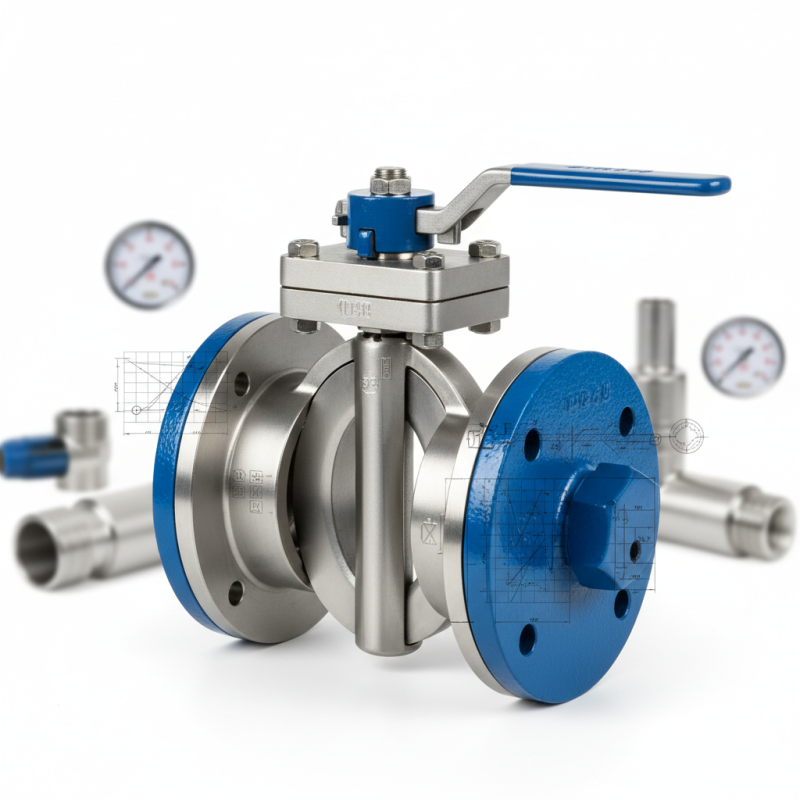
Top Butterfly Valve 4 Inch Specifications Buyers Guide?
When selecting a Butterfly Valve 4, understanding specifications is crucial. Butterfly valves are widely used in various industries for controlling flow. Their efficiency and reliability make them a popular choice.
In this guide, we will explore the essential specifications that buyers should consider. Factors like material, pressure rating, and design play significant roles in the performance of a Butterfly Valve 4. Each feature impacts not just functionality but also longevity.
Choosing the right valve isn't always straightforward. Buyers often overlook key specifications. It's essential to evaluate your needs carefully. While price can be a driving factor, it shouldn't compromise quality. This guide aims to provide valuable insights, helping you make informed decisions while avoiding common pitfalls in valve selection.
Understanding Butterfly Valves and Their Applications
Butterfly valves are critical components in various systems, including water supply, wastewater treatment, and chemical processing. These valves offer excellent flow control with minimal pressure drop. According to a recent industry report, global butterfly valve demand will reach $8 billion by 2025. This growth highlights their significance in modern infrastructure.
With a 4-inch specification, butterfly valves provide effective solutions for medium to large flow rates. Designed for easy operation, they take up less space than other valve types. Applications range from HVAC systems to food production. The versatility of butterfly valves ensures they can handle diverse media, including liquids and gases. However, ensuring proper installation and maintenance is essential. Inadequate operation may lead to system inefficiencies or even failures.
Construction material choices affect performance. Stainless steel, for example, resists corrosion and enhances longevity. But not all environments are suited for this material. Some scenarios require alternatives that balance cost and durability better. It’s crucial to evaluate operational conditions before selecting a valve type. An informed choice helps prevent costly repairs and system downtimes.
Key Specifications for 4 Inch Butterfly Valves
When selecting a 4-inch butterfly valve, understanding its key specifications is crucial. The valve must suit the intended application, whether for water, gas, or slurry. Material choice is essential. Common options include stainless steel, cast iron, and PVC. Each material affects durability and corrosion resistance. Ensure the selected material matches the environment it will operate in.
Pressure ratings are another vital aspect. Most 4-inch butterfly valves operate effectively at a range of pressures. Typically, they can handle 150 psi to 300 psi. It is important to assess the specific pressure requirements of the system in which it's used. Assemblies must also account for temperature compatibility. Different materials can endure various temperature ranges, so it's crucial to check specifications before installation.
Also, consider the valve's actuation method. Options include manual, electric, and pneumatic actuators. Each method offers distinct benefits. Manual valves allow for simple operation, while electric versions offer automation. Ensure that the actuator fits the valve's usage scenario. It's a common oversight to overlook maintenance needs, which can lead to failures over time. Regular inspections help in identifying potential issues early on.
Material Choices for Butterfly Valves: Pros and Cons
When selecting butterfly valves, material choice is crucial. Each option comes with unique advantages and drawbacks. Common materials include metal, plastic, and rubber. Metal valves are strong and durable but can corrode over time. Plastic valves resist corrosion but may not withstand high pressures. Rubber offers flexibility yet can wear out quickly in harsh environments.
The pros and cons of these materials greatly influence valve performance. For instance, metal valves can handle extreme temperatures and pressures, making them ideal for industrial applications. However, they require frequent maintenance to prevent rust. On the other hand, plastic valves might crack under stress, so they are better suited for low-pressure systems.
In some cases, balancing these aspects can be challenging. Selecting a material involves considering longevity and performance. Users must reflect on the specific application when making material decisions. Each choice demands careful thought, as the wrong selection may lead to costly repairs down the road.
Installation Guidelines for 4 Inch Butterfly Valves
Installing a 4-inch butterfly valve requires careful planning and consideration. Start by selecting the proper location for installation. Ensure that there is enough space for maintenance and operation. The valve should be easily accessible. Check for any obstructions that might interfere with installation. Each setup can vary slightly based on the specific application.
Before installation, gather all necessary tools and materials. This includes gaskets, fasteners, and a suitable wrench. Align the valve with the pipeline, ensuring it sits correctly. Misalignment can lead to operational issues later. Tighten the bolts gradually to avoid overtightening. This balance helps maintain the integrity of the valve structure.
After installation, testing is crucial. Check for leaks and ensure that the valve operates smoothly. Address any leaks immediately. If performance issues arise, revisit your installation steps. Document everything for future reference. Each installation teaches something new. Embrace these lessons to improve your skills and execution.
Maintenance Tips for Ensuring Valve Longevity
To ensure the longevity of your 4-inch butterfly valve, regular maintenance is essential. Start by inspecting the valve for any signs of wear or corrosion. This can prevent minor issues from escalating into major problems. Pay attention to the seals and gaskets; replacing damaged parts early can save time later. A small leak today might become a flood tomorrow.
Lubrication plays a crucial role in the valve’s lifespan. Apply a suitable lubricant on the stem and disc regularly, but avoid overdoing it. Excess lubricant might attract dirt and create more issues. Regular cleaning is equally important. Dust and debris can hinder performance. Use a damp cloth to wipe down the exterior and check for any blockages in the valve area.
Don’t forget to operate the valve periodically, even if it’s not in use. This keeps the mechanism moving freely. Consider documenting your maintenance routine for better tracking and accountability. Mistakes like missing a scheduled inspection can lead to costly repairs. Learning from past oversights can enhance your workflow and prolong the valve’s efficiency.