Top Bus Duct Flaring Machines for Efficient Production Worldwide?
In the rapidly evolving electrical manufacturing sector, the importance of efficiency cannot be overstated. Industry reports indicate that effective production processes can reduce operational costs by up to 25%. The Bus Duct Flaring Machine has emerged as a crucial tool for manufacturers seeking to enhance productivity. This machine is designed to streamline the complex flaring process essential for bus duct systems, which are vital in power distribution.
Recent advancements in technology have led to significant improvements in the efficiency of Bus Duct Flaring Machines. These machines offer precise flaring capabilities, ensuring a perfect fit for electrical components. Data shows that companies using advanced machines can increase their output by nearly 30%. However, not all machines are created equal. Some models lack versatility and may require frequent maintenance, raising questions about their reliability in long-term production.
As the demand for energy escalates, manufacturers must critically assess their machinery choices. Investing in high-quality Bus Duct Flaring Machines can lead to substantial long-term benefits. Conversely, opting for lower-quality options may result in higher operational failures and slower production times. Thus, it is essential for companies to weigh their options carefully, aiming for a balance of cost-efficiency and reliability in their production lines.
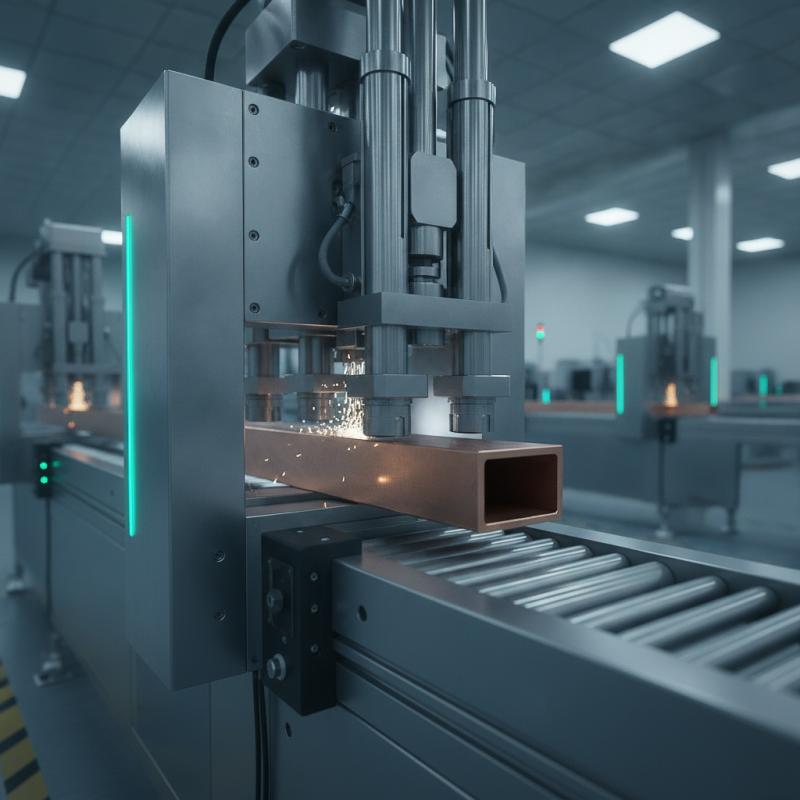
Overview of Bus Duct Flaring Machines and Their Importance
Bus duct flaring machines play a crucial role in production efficiency. They enable manufacturers to create reliable electrical connections while reducing assembly times. These machines shape and flare bus ducts, ensuring a perfect fit for electrical components. Their importance cannot be overstated, especially in industries where precision is vital.
Using high-quality flaring machines enhances overall productivity. Operators must understand the machine’s settings for optimal results. Misalignment can lead to wasted materials and time. Regular maintenance is essential to ensure the machines function effectively. Operators should keep an eye on wear and tear, as defects can compromise the quality of the final product.
Tip: Regularly train staff on best practices to ensure they utilize the machines effectively. Continuous learning helps avoid mistakes and promotes efficiency. Also, consider performing routine checks on the machine's accuracy. A small oversight can lead to significant production issues down the line.
Top Bus Duct Flaring Machines for Efficient Production Worldwide
| Model | Max Capacity (kW) | Flaring Speed (mm/sec) | Power Consumption (kW) | Weight (kg) | Dimensions (L x W x H mm) | Price Range (USD) |
| Model A | 200 | 10 | 20 | 150 | 1200 x 600 x 800 | 5000 - 7000 |
| Model B | 250 | 12 | 25 | 180 | 1300 x 700 x 900 | 6000 - 8000 |
| Model C | 300 | 15 | 30 | 200 | 1500 x 800 x 1000 | 7000 - 9000 |
| Model D | 350 | 20 | 35 | 220 | 1600 x 900 x 1100 | 8000 - 10000 |
Key Features of High-Performance Flaring Machines in Production
When considering bus duct flaring machines, efficiency is paramount. High-performance flaring machines feature precise calibration for optimal performance. This ensures tight seals and reduces waste. Additionally, robust durability is essential for long-term production. Such machines can withstand rigorous use without frequent downtime.
Tips: Regular maintenance checks are critical to maintain accuracy. Even minor wear can affect performance. Always keep an eye on calibration settings. Tightening procedures must be consistent to avoid leaks.
Moreover, many machines include advanced technology for monitoring. Automated features can streamline production and reduce human error. However, not all operators may be familiar with these systems. Adequate training is necessary to maximize machine potential.
Tips: Document any operational issues you observe. This feedback is valuable for future improvements. Sharing insights among operators can enhance overall efficiency. Every machine has its quirks; understanding them makes a difference.
Top Brands and Models of Bus Duct Flaring Machines Available
When it comes to bus duct flaring machines, efficiency is key. Many machines offer various features aimed at enhancing productivity. A significant factor is the machine's speed. A faster machine can help meet tight production deadlines without compromising on quality. However, speed alone isn’t enough; precision is critical. The alignment of each flare must be perfect to ensure reliable electrical connections.
Many operators find it beneficial to look for machines with user-friendly interfaces. A well-designed interface can reduce training time for new employees. This will help enhance overall output. Some machines incorporate detailed feedback systems to provide the operator with real-time performance data. This feature can significantly improve decision-making and help identify areas for improvement.
While researching the best models, consider the maintenance requirements of each machine. Regular maintenance is essential for optimum performance. An inconvenient maintenance schedule can lead to downtimes that affect production. Operators should not overlook the importance of checking support services provided by the manufacturer. Having reliable support can save time and resources in the long run. Moreover, the long-term costs of operation should be weighed against initial investments. Balancing these factors leads to better-informed purchasing decisions.
Comparative Analysis of Flaring Machine Efficiency and Productivity
In the realm of bus duct flaring machines, efficiency and productivity are paramount. A comparative analysis reveals significant variations among different machines. While some models boast advanced digital interfaces, others rely on traditional methods. The pace at which these machines operate can impact production lines. Speed alone, however, does not guarantee quality. A well-balanced approach is essential.
Many operators report challenges in machine maintenance, affecting overall performance. Regular calibration is crucial for optimal results. Some machines may struggle with consistency, leading to increased waste. Understanding the underlying mechanics can provide insights into improving efficiency. Noise levels and energy consumption are also factors that cannot be overlooked.
Training personnel to handle these machines effectively is equally vital. Operator skill can make or break productivity. Engaging in hands-on workshops enhances their understanding. Continuous feedback on machine performance ensures a culture of improvement. The commitment to refining processes will ultimately drive success in production environments.
Future Trends in Bus Duct Flaring Technology and Innovations
The future of bus duct flaring technology is evolving rapidly. As industries seek more energy-efficient solutions, innovations are emerging. A recent report highlights that automation in flaring processes can increase efficiency by 30%. This shift allows manufacturers to reduce operational costs while improving safety conditions.
Advancements in materials are another key trend. The latest composite materials offer enhanced durability and thermal resistance. This change substantially reduces maintenance needs. However, these innovations also come with challenges, such as higher initial investment costs. Companies must weigh these costs against long-term savings.
Furthermore, the growing focus on sustainability drives change. Manufacturers are now prioritizing eco-friendly practices. According to a report, 65% of industry leaders plan to invest in renewable technologies by 2025. However, a gap remains in training workers to utilize these new systems effectively. Continuous education is essential to maximize the benefits gained from these technological advancements.





