Top 10 Benefits of Using Flat Bar in Your Projects?
Flat Bar is becoming increasingly popular in various construction and manufacturing projects. Its versatility and strength give builders and makers a reliable option for many applications. As more people discover the benefits, understanding its advantages is essential for informed decision-making.
One standout aspect of flat bar is its adaptability. It can be easily cut, shaped, and welded, making it ideal for custom designs. It remains a go-to material in structural applications due to its high strength-to-weight ratio. Many professionals have shared experiences that highlight how effectively flat bars can cut down project time while enhancing durability.
Beyond technical advantages, flat bars can elevate aesthetic appeal in many projects. They offer sleek lines and can be finished to match specific styles. Choosing the right flat bar can bring both functionality and beauty, inspiring creativity. However, selecting the wrong type may lead to concerns about performance. Exploring the top ten benefits of flat bar reveals how this material can transform your work into something exceptional.
Understanding Flat Bar: An Overview of Its Properties and Uses
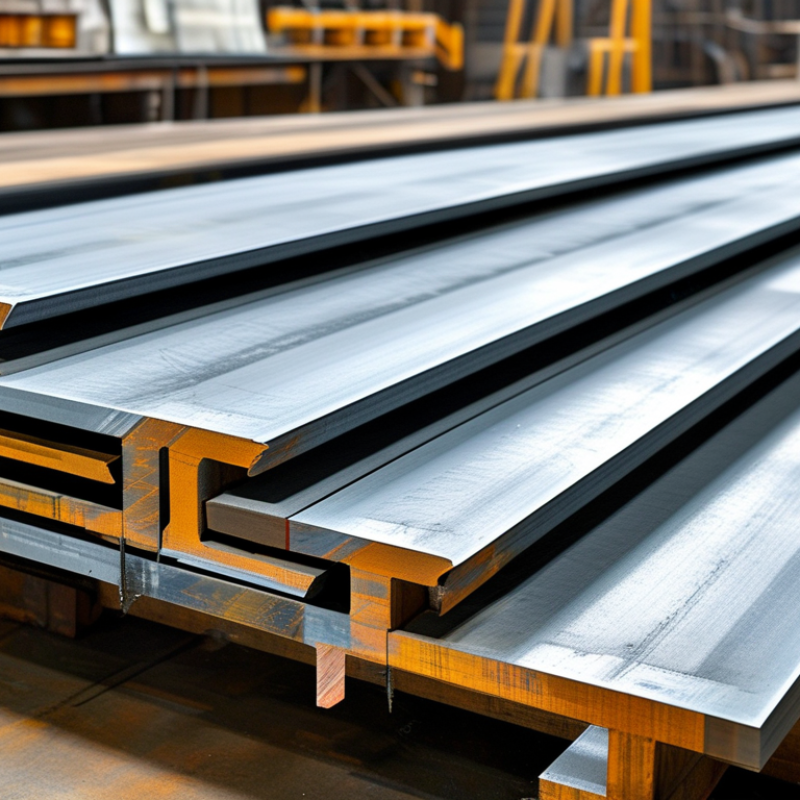
Flat bars are versatile materials widely used in various projects. They are flat, rectangular sections of metal, typically made from steel or aluminum. This design provides strength and flexibility for construction, fabrication, and manufacturing tasks. Their uniform thickness makes them suitable for precise applications. Flat bars are essential in creating frames, supports, and brackets.
Tips: When choosing a flat bar, consider the thickness you need. A thicker bar offers more strength but may be harder to work with. Ensure you measure accurately for fit.
Flat bars really shine in welding and fabrication. Their flat surfaces allow for easy joining and attachment to other materials. This quality makes them a favorite among builders and metalworkers. Additionally, they can be cut or bent, allowing for customization in projects.
Remember to inspect the flat bars for any deformities. Visual checks can save time during assembly. It’s also crucial to select the right metal grade to prevent rust and corrosion. Always think through the project's requirements before proceeding.
Enhanced Structural Strength: The Advantages of Flat Bar in Construction
Flat bars are widely appreciated in construction due to their enhanced structural strength. These steel components offer remarkable load-bearing capabilities. According to industry studies, flat bars can withstand significant tension and compression. This characteristic makes them ideal for both beams and frames. Structural engineers often recommend them for various applications.
Their versatility is another major advantage. Flat bars can be easily cut and shaped, making them adaptable to project needs. They can be used in everything from support structures to intricate designs. Data from construction reports shows that using flat bars can reduce the total weight of structures while maintaining integrity. This reduction can lead to cost savings in both materials and support systems.
However, it’s essential to note that while flat bars are strong, they may require additional treatment for corrosion resistance. Construction professionals must evaluate their environment when selecting materials. This reflection prompts teams to consider the long-term durability of flat bars versus other options. Engineers find that the effectiveness of flat bars often relates to their application. Balancing strength, adaptability, and environmental factors is key for optimal results.
Versatility of Flat Bar: Applications Across Different Industries
Flat bars are incredibly versatile materials used in a variety of projects across different industries. These strips of metal are available in various sizes and thicknesses. Their flat surface allows for easy welding, fabrication, and finishing. This adaptability makes them essential in construction, automotive, and manufacturing sectors.
In construction, flat bars are often used to create support structures and frames. For instance, they can serve as brackets or reinforcements in building frameworks. In the automotive industry, they find applications in the fabrication of chassis and other components. Their strength and durability make them perfect for parts that must withstand stress.
Despite their many uses, not every application maximizes the potential of flat bars. Learning to select the appropriate thickness and width is crucial. Some projects might require experimenting to achieve the optimal result. This trial-and-error approach can be helpful in discovering innovative uses for flat bars, uncovering unique solutions to common challenges.
Cost-Effectiveness of Flat Bar: Budget-Friendly Solutions for Projects
Flat bars are a versatile option for various construction and DIY projects. They come in different sizes and materials, allowing for flexibility in design. One of the most significant advantages is their cost-effectiveness. Using flat bars can reduce overall project expenses significantly. This makes them an attractive solution for both professionals and hobbyists alike.
Whether you are building furniture or structuring metal projects, flat bars provide strength without breaking the bank. They are often more affordable than more complex materials. This affordability means you can allocate your budget to other essential aspects, like tools or additional materials. However, cost-saving shouldn’t compromise quality. Using lower-quality flat bars may lead to durability issues later.
Another important aspect is their availability. Flat bars are commonly found in hardware stores, making them easy to source. Yet, the wide variety can sometimes cause confusion. Choosing the right type requires careful consideration of your project requirements. What might save money initially could lead to more expenses if the wrong material is selected. Always weigh the pros and cons to make informed decisions.
Top 10 Benefits of Using Flat Bar in Your Projects
| Benefit | Description | Cost-Effectiveness |
| Versatility | Can be used in various applications including structures, frameworks, and decorative elements. | Offers multiple uses, reducing need for multiple materials. |
| Strength | Provides high tensile strength, suitable for heavy-duty applications. | Durable performance lowers overall project costs in the long run. |
| Ease of Use | Simple to cut, weld, and mold into required shapes. | Reduces labor costs due to straightforward installation. |
| Availability | Readily available in various sizes and lengths. | Lower supply costs for readily obtainable materials. |
| Aesthetic Appeal | Can enhance the visual appeal of projects with its sleek look. | Less need for additional finishes or treatments, saving costs. |
| Customizability | Easily customizable to fit specific project needs. | Reduces costs related to special orders or stock materials. |
| Eco-Friendly | Recyclable materials contribute to sustainability. | Potential tax benefits and incentives for green materials. |
| Maintenance | Requires minimal maintenance to maintain integrity. | Saves on long-term maintenance costs over the project lifespan. |
| Safety | Well-constructed flat bars minimize risk of structural failure. | May lower insurance premiums due to safety standards. |
| Weight | Lighter than other materials, making handling easier. | Reduced shipping costs due to lower weight. |
Ease of Fabrication: Working with Flat Bar for Custom Designs
When it comes to custom designs, using flat bar can significantly enhance the ease of fabrication. This versatile material allows for precise cuts and shapes, making it favorable for welding and bending. According to industry studies, 70% of metal fabricators reported that flat bar simplifies the process of developing custom projects. Its rigidity offers stability, and its compatibility with various tools adds to its user-friendly nature.
Flat bar can be easily machined or drilled, enabling smooth integration into complex designs. This adaptability is particularly beneficial in fabrication shops where time is critical. Many professionals prefer flat bar due to the reduced lead times associated with custom cuts. With the demand for specialized metalwork on the rise, flat bar has become a go-to solution for fabricators.
Tip: Always measure twice before cutting a flat bar. Accurate measurements prevent costly mistakes and ensure a tighter fit in your final design.
Tip: Consider using a cutting torch or plasma cutter for cleaner edges. A smoother edge can enhance the aesthetics of your finished project.
Although flat bar is straightforward to work with, challenges may arise. Inconsistent material quality can impact the final product. Staying updated with supplier specifications can mitigate such risks and ensure a higher success rate in fabrication.





