Top 10 Benefits of Tubing Extrusion for Global Buyers?
In the competitive landscape of manufacturing, Tubing Extrusion stands out as a vital process for global buyers. This technique shapes materials into various forms, making it essential for diverse industries. From plumbing to automotive applications, tubing plays a critical role in providing functional solutions.
Buyers benefit from Tubing Extrusion through improved efficiency and cost-effectiveness. The process allows for high-volume production while maintaining precision. These advantages translate into better resource management for companies. However, sourcing reliable manufacturers can present challenges. It's crucial to assess their expertise and capacity before making decisions.
Incorporating quality control measures is vital to ensure the final products meet industry standards. Flaws in tubing can lead to costly setbacks, emphasizing the need for thorough evaluations. As global buyers seek to enhance their procurement strategies, understanding the benefits of Tubing Extrusion is more important than ever.
Understanding Tubing Extrusion: An Overview
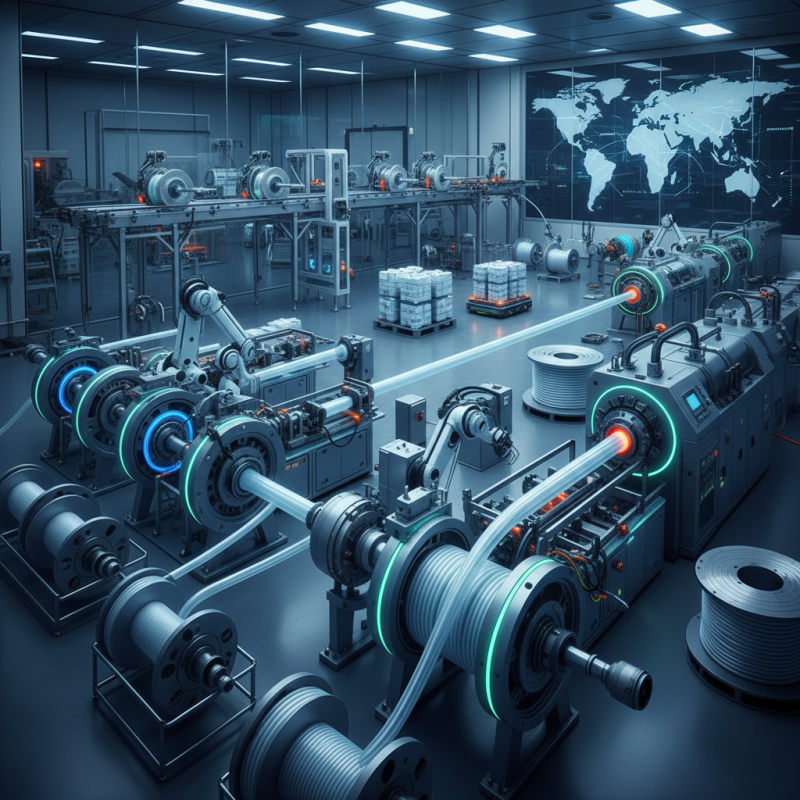
Tubing extrusion is a vital manufacturing process. It transforms raw materials into various tubing products. This method allows for continuous production, creating tubes in different shapes and sizes. Understanding this process can help buyers make informed decisions.
The process begins with heated materials, typically plastics. These materials are forced through a shaped die. Factors such as temperature and pressure are crucial. Proper control leads to uniform wall thickness and better quality. A consistent product is essential, but achieving this is not always easy. Variations can lead to defects that impact usability.
Extrusion offers benefits like flexibility in design. Different colors and thicknesses can be produced easily. This adaptability meets diverse market demands. However, understanding the limitations is equally important. Continuous monitoring and adjustments are often necessary. This guarantees that the end products meet specifications, reinforcing the need for skilled operators. Educating buyers about these aspects can lead to more successful partnerships.
Top 10 Benefits of Tubing Extrusion for Global Buyers
Key Advantages of Tubing Extrusion for Global Markets
Tubing extrusion offers various advantages that significantly benefit global buyers. One key advantage is its cost-effectiveness. The process allows for mass production, reducing unit costs. A market report indicates that the extrusion market is expected to grow at a CAGR of 5.7% from 2020 to 2027. This growth is driven by rising demand for custom tubing in industries like automotive and medical.
Flexibility is another major benefit of tubing extrusion. Manufacturers can create tubes of various sizes and shapes. This adaptability meets diverse market needs. The ability to tailor products enhances customer satisfaction. Studies show that customized solutions can increase retention rates by over 30%. However, this requires a careful balance between customization and production efficiency.
Sustainability is an emerging focus in tubing extrusion. Many manufacturers are adopting eco-friendly materials and techniques. Reports suggest that using recycled materials can lower costs and improve market competitiveness. However, there are challenges in sourcing quality recycled materials. Companies must navigate these complexities to maintain standards. Balancing sustainability with performance remains a key challenge for the industry.
Cost-Effectiveness of Tubing Extrusion in Manufacturing
Tubing extrusion is a cost-effective manufacturing method that appeals to many global buyers. This technique reduces material waste significantly. Manufacturers can use multiple materials during the extrusion process. This flexibility allows for custom solutions that meet specific needs. The ability to create complex shapes also increases efficiency in production.
Operational costs are generally lower with tubing extrusion. The process minimizes the use of additional machinery and labor. This efficiency can translate to lower price points for buyers. However, some companies face challenges in scaling operations. Insufficient equipment or workforce can stall production. It's crucial to evaluate these aspects when considering extrusion services.
Quality control remains a vital part of the tubing extrusion process. Ensuring consistency in product dimensions and performance is essential. Some manufacturers may struggle with maintaining high standards. Regular inspections and testing can mitigate this issue. Buyers must remember to ask about these practices before committing to a supplier.
Versatility of Tubing Extrusion Across Various Industries
Tubing extrusion is rapidly gaining traction across various industries. This manufacturing process produces elongated plastic pipes, tubes, and profiles. Its versatility allows it to cater to different needs effectively. From automotive parts to medical devices, tubing extrusion plays a critical role in various sectors.
In the medical field, for example, the production of flexible tubes for catheters is vital. These tubes must meet strict safety standards. Thus, expertise in material selection is crucial. A subtle miscalculation could lead to serious consequences. In the construction industry, extruded tubing is often used for HVAC systems. Here, maintaining precise dimensions matters for efficiency.
Yet, the process of tubing extrusion is not without challenges. There may be issues with material inconsistencies or production speed. Continuous monitoring and quality checks become essential. Buyers should consider these factors when selecting suppliers. Adapting to specific industry demands enhances the effectiveness of tubing extrusion. This adaptability makes it an attractive option for those looking to innovate.
Quality and Consistency in Tubing Extrusion Processes
Tubing extrusion is a critical process that ensures high-quality products for various industries. One of its main advantages is the ability to produce consistent shapes and sizes. This uniformity is essential for applications that require precise specifications. Moreover, the extrusion process allows for the integration of various materials, enhancing the overall functionality of the tubing.
In terms of quality, the control throughout the extrusion process is paramount. Extruders can closely monitor temperatures and pressures. This monitoring leads to fewer defects and greater reliability in the final product. However, there are challenges. Variations in raw materials can still affect outcomes. Manufacturers must constantly evaluate their sources to maintain quality.
Maintaining consistency in tubing extrusion is not just about technology. It involves a skilled workforce that understands the nuances of the process. Training and expertise play pivotal roles in ensuring everything runs smoothly. The intersection of human skill and machinery leads to higher quality tubing. Yet, even with expertise, the potential for inconsistencies remains. Continuous innovation and adjustment are necessary to foster improvement in the extrusion process.
Top 10 Benefits of Tubing Extrusion for Global Buyers
| Benefit | Description | Impact |
| High Consistency | Ensures uniformity in product dimension and properties. | Reduces waste and manufacturing costs. |
| Cost Efficiency | Minimizes production costs through optimized processes. | Increases profit margins for manufacturers. |
| Market Flexibility | Easily adapts to different material types and designs. | Enhances responsiveness to market demands. |
| Product Variety | Supports a wide range of tubing shapes and sizes. | Caters to diverse customer needs and applications. |
| Reduced Lead Time | Streamlined extrusion process speeds up production. | Improves on-time delivery rates. |
| Enhanced Quality Control | Incorporates real-time monitoring to maintain standards. | Reduces defects and returns. |
| Sustainability | Utilizes recyclable materials and eco-friendly processes. | Appeals to environmentally-conscious consumers. |
| Improved Strength | Enhances material properties for better performance. | Extends product lifespan. |
| Technical Support | Access to expert knowledge and troubleshooting. | Facilitates smoother project development. |
| Global Reach | Ability to source materials and services worldwide. | Enhances competitive advantage in global markets. |





