Top 10 Benefits of the Sand Molding Process Explained?
The sand molding process is a pivotal technique in metal casting. It has transformed the manufacturing landscape by providing versatile and efficient solutions. John Smith, an expert in casting technology, claims, "The sand molding process offers unmatched flexibility in design and production." This highlights its significance in industries ranging from automotive to aerospace.
One major benefit of the sand molding process is its cost-effectiveness. Sand is abundant and inexpensive, making it an appealing choice for many manufacturers. Additionally, the process allows for the creation of complex shapes with high precision. However, it also has its limitations. For instance, the surface finish may not be as smooth as other methods.
Despite these challenges, the sand molding process remains popular. Manufacturers continually seek ways to optimize the sand molding process. Innovations are emerging that aim to enhance durability and efficiency. Reflecting on its advantages and drawbacks can guide future developments. Finding the perfect balance in this process might require ongoing adjustments and innovations.
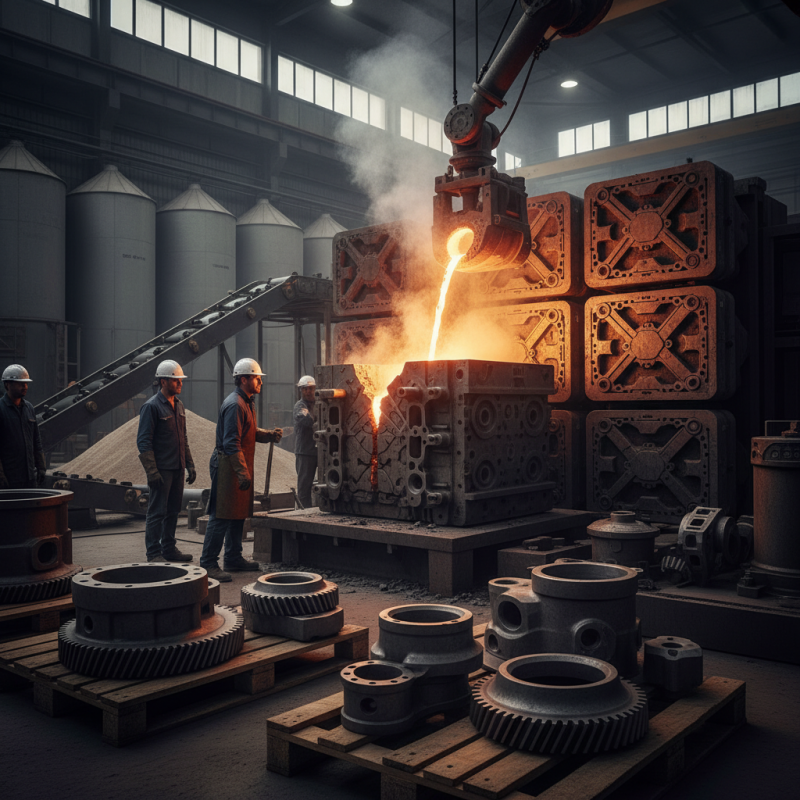
Overview of Sand Molding Process in Metal Casting
The sand molding process is a pivotal technique in metal casting. It utilizes sand as the primary material for creating molds. This method is highly adaptable and cost-effective, making it a favorite in various industries. A report from the American Foundry Society indicates that sand casting accounts for approximately 90% of all castings produced in the United States.
In this process, fine silica sand is mixed with a bonding agent, typically clay, and water. This mixture allows for flexibility in mold designs. Importantly, molds can be crafted quickly, which reduces lead times significantly. However, inconsistency in sand quality can pose challenges. Proper selection and treatment of sand are crucial for achieving high-precision casting.
On the downside, the sand molding process can produce rough surface finishes. While some applications can tolerate this, others cannot. Continuous investment in research and development is essential. It can mitigate these imperfections and improve overall efficiency. Promoting better quality control measures is vital for achieving optimal results.
Key Advantages of Using Sand Mold in Manufacturing
Sand molding is a widely used technique in manufacturing due to its numerous advantages. One key benefit is flexibility. Sand molds can be easily shaped into complex designs. This allows for the production of intricate parts that might be difficult or costly with other methods. Additionally, the material is readily available and inexpensive, making it an attractive option for manufacturers.
Sand molding also offers excellent thermal properties. The sand can withstand high temperatures, making it suitable for metal casting. This helps maintain the integrity of the mold during the casting process. However, the sand may not always provide the best surface finish. Sometimes, post-processing is required to achieve a smooth surface.
Another advantage is the ability to create molds quickly. The process can be efficient, especially for large production runs. Yet, the curing time can be longer than expected, which might delay operations. This requires careful planning and monitoring. Overall, while sand molding has its challenges, its benefits make it a valuable choice in many manufacturing processes.
Top 10 Benefits of the Sand Molding Process
Cost-Effectiveness of Sand Molding Compared to Other Methods
The sand molding process is becoming increasingly popular for its cost-effectiveness. According to a report from the American Foundry Society, sand casting can reduce production costs by up to 30% compared to other methods like investment casting. This affordability comes from the lower material costs and the speed of the process. A typical sand mold is easy to create and requires less initial investment in tooling.
A study from the National Institute of Standards and Technology highlights another advantage: waste reduction. Sand molding generates significantly less waste. Approximately 20% less scrap material is produced than traditional methods. However, it’s important to note that while sand molds can be reused, their performance may degrade over time. This necessitates careful monitoring and occasional replacement, potentially increasing long-term costs.
Labor costs also play a role in deciding on sand molding. The process typically requires fewer skilled workers, leading to further savings. Yet, nearly 15% of manufacturers reported challenges in training workers for optimal sand molding techniques. Ensuring consistent quality can be an ongoing concern. So, while sand molding offers notable savings, it requires a strategic approach to maximize its benefits.
Top 10 Benefits of the Sand Molding Process Explained
| Benefit | Description | Cost Comparison |
| Cost-Effectiveness | Sand molding is generally less expensive than other methods such as die casting. | Lower initial tooling costs. |
| Flexibility | Easy to modify designs and sizes without significant costs. | More adaptable compared to permanent molds. |
| Short Lead Times | Faster production times, allowing for quicker turnarounds. | Reduced lead time in comparison to investment casting. |
| Complex Geometries | Can create intricate shapes that are difficult with other methods. | Potentially lower costs for complex shapes. |
| Material Efficiency | Minimal wastage of materials during the production process. | Lower material costs compared to some other molding processes. |
| Versatility of Materials | Compatible with various metals and alloys. | Wide range of applications for different industries. |
| Low Setup Costs | Requires less initial investment compared to high-volume processes. | More economical for small to medium production runs. |
| Recyclability | Sand can be reclaimed and reused, reducing environmental impact. | Cost savings on raw materials over time. |
| High Tolerance Levels | Can achieve tight tolerances compared to traditional methods. | Potentially reduces costs related to finishing processes. |
| Easier Handling | Lightweight and easy to handle compared to metal molds. | Lower shipping and handling costs compared to heavier materials. |
Impact of Sand Molding on Production Speed and Efficiency
The sand molding process significantly impacts production speed and efficiency. This technique allows for rapid setup and flexibility. It is especially useful in creating complex shapes. The molding sand is easily molded and reused, which reduces waste. Fast turnaround times are achievable with this method. Manufacturers can respond quickly to market demands.
One important tip is to maintain the right moisture level in the sand. Too much moisture can slow down production, while too little can cause defects. Regularly checking and adjusting the sand quality can improve efficiency.
While sand molding offers great benefits, it's not without challenges. The process can lead to varying dimensional tolerances. Some operators may not fully grasp the importance of consistent sand quality. Regular training and assessment can help mitigate these issues. Attention to detail can enhance the overall effectiveness of sand molding.
Versatility of Sand Molding for Various Materials and Designs
The versatility of sand molding allows it to adapt to many materials and designs. Sculptors and engineers alike appreciate this process for its flexibility. Whether working with metal or plastic, sand molds can accommodate nearly any specification. This makes sand molding an excellent choice for both prototypes and final products.
Artisans can create intricate patterns in the sand. This feature allows for unique designs that other molding processes may struggle to replicate. However, achieving precise details can be tricky. Sometimes these molds may not capture the intended fine features. This can lead to revisions, but those challenges often drive innovation. Adjustments in the design or technique can yield surprising results.
Sand molding is not limited to conventional shapes. It offers the freedom to explore unconventional forms too. Designers often experiment with new ideas, which may not always succeed. Learning from these setbacks can lead to unexpected breakthroughs. The process encourages creativity while grounding it in practicality, making it a vital tool in manufacturing.





