


The use of Stainless Steel Strips in manufacturing is increasingly gaining attention due to their numerous benefits. According to a report by the Steel Institute, the demand for stainless steel materials has grown significantly, with a forecasted increase of 3.4% annually over the next five years. This trend reflects the material's critical role across various industries, from aerospace to automotive.
Stainless Steel Strips offer superior strength and corrosion resistance. This quality makes them ideal for applications that require durability under harsh conditions. Moreover, their aesthetic appeal enhances product designs in consumer goods. In recent studies, 85% of manufacturers noted improved product performance when opting for stainless steel over other materials.
Despite their advantages, challenges still exist. Sourcing high-quality stainless steel strips can be difficult. Manufacturers must ensure they work with reliable suppliers to avoid inconsistencies in quality. Additionally, the initial costs may deter some businesses, but the long-term benefits often outweigh these expenses. The evolving market shows a rising preference for stainless steel strips, indicating their potential for future growth and innovation.
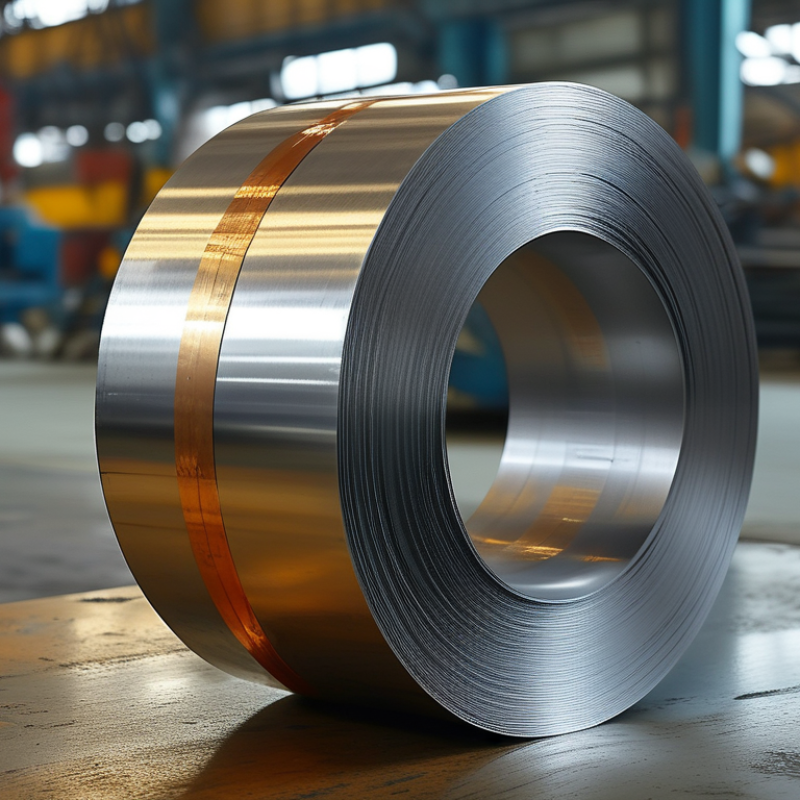
The corrosion resistance of stainless steel strips is a pivotal advantage in manufacturing. According to a report by the international stainless steel forum, corrosion-related failures can lead to significant financial losses, estimated at over $30 billion annually across various industries. Stainless steel, known for its chromium content, creates a passive layer of chromium oxide. This layer acts as a barrier, preventing corrosion in aggressive environments.
In environments where other materials might falter, stainless steel strips maintain integrity. Industries like automotive and construction heavily utilize these strips. In a study by the Materials Research Institute, stainless steel showed a 70% lower corrosion rate compared to traditional carbon steel. These findings reinforce the reliability of stainless steel strips in projects that demand durability over time.
However, manufacturers must remain vigilant. Despite the inherent corrosion resistance, improper fabrication or exposure to extreme conditions can compromise these advantages. Regular inspections and maintenance practices are essential to ensure longevity. The industry should reflect on past shortcomings, learning from incidents that led to early material failure. A proactive approach will enhance the overall dependability of stainless steel strips in various applications.

Stainless steel strips are increasingly popular in the manufacturing sector due to their cost-effectiveness. They offer a competitive edge over other materials. One key reason is their remarkable durability. Unlike traditional metals, stainless steel resists rust and corrosion. This quality extends the lifespan of components significantly, reducing the need for frequent replacements. Fewer replacements directly translate to lower overall costs.
Moreover, manufacturers appreciate the versatility of stainless steel strips. They can be easily molded into various shapes and sizes. This adaptability allows for a wide range of applications, from automotive to construction. However, achieving the perfect design might require some trial and error. While it's easy to overlook, investing time in testing designs can lead to more efficient outcomes. A well-thought-out manufacturing process pays off in the long run.
Another aspect worth mentioning is the environmental impact. Stainless steel strips are recyclable, which aligns with sustainable practices. This not only reduces waste but also decreases energy consumption in production processes. However, manufacturers must navigate the complexities of recycling materials effectively. Although sustainability is a huge benefit, implementing these practices can pose challenges. Finding the right balance between cost, design, and sustainability is crucial.
Stainless steel strips have emerged as a vital component across various industries. They are widely used in construction, automotive, and manufacturing. Their versatility allows them to be transformed into multiple forms and shapes, catering to specific engineering requirements. These strips can be easily molded and cut, making them suitable for complex designs. The durability of stainless steel ensures that products remain reliable over time.
In the automotive industry, stainless steel strips play a significant role. They are often used in exhaust systems and structural components due to their resistance to corrosion and harsh environments. In construction, stainless steel strips find application in decorative features and supports. However, the manufacturing process can be challenging. High standards must be maintained to ensure quality and strength. Not every batch meets the required specifications, leading to waste or rework.
One area that often gets overlooked is the recycling potential of stainless steel strips. Their sustainable nature allows for easy recycling at the end of their life cycle. This aspect is crucial in today's environmentally conscious market. Yet, industries need to address the complexities of recycling and manage costs associated with raw materials. Balancing efficiency and sustainability remains an ongoing challenge.
Stainless steel strips offer considerable aesthetic appeal for various products. Their sleek, shiny surfaces create a modern look, enhancing the overall design. This visual appeal can attract consumers who appreciate contemporary styles. Products made with stainless steel strips often exude quality and durability. This perception can elevate a brand's reputation.
Beyond mere visual aesthetics, the texture of stainless steel plays a crucial role. It can be polished to a mirror finish, providing a luxurious touch. Alternatively, brushed finishes can create a more industrial vibe, appealing to different consumer preferences. The versatility in appearance allows manufacturers to cater to a diverse market. However, not every product benefits from stainless steel’s striking appearance. Some applications may require more warmth or organic materials.
Choosing stainless steel strips may also pose challenges. Their reflective surfaces can show fingerprints or smudges, requiring maintenance. Companies must weigh these practical considerations against the appeal. Not every design beautifully integrates stainless steel; some may look stark or cold. This complexity adds a layer of thoughtfulness to the design process. Hence, achieving the desired aesthetic is not always straightforward.
Stainless steel strips offer significant sustainability advantages in manufacturing. The material is fully recyclable, meaning it can be repurposed without losing quality. According to a report by the International Stainless Steel Forum, about 60% of stainless steel produced comes from recycled material. This not only conserves resources but also reduces energy consumption. Recycling stainless steel saves approximately 75% of the energy needed compared to producing new stainless steel.
Moreover, stainless steel’s durability contributes to sustainability. It has a long lifecycle, often lasting decades in various applications. Thus, products made from stainless steel strips can reduce waste significantly. However, it is vital to consider that not all stainless steel is recycled effectively. Some end-of-life products may end up in landfills due to improper disposal practices or lack of recycling programs.
Implementing better recycling systems and educating manufacturers can enhance the sustainability of stainless steel strips. There is always room for improvement in waste management. Transparency in the recycling process remains a challenge. Additionally, while stainless steel is valuable, its production requires careful scrutiny of resource extraction methods. The journey towards a truly sustainable manufacturing sector requires concerted efforts from all stakeholders.
| Benefit | Description | Sustainability Factor | Recyclability |
|---|---|---|---|
| Corrosion Resistance | Stainless steel strips resist rust and corrosion, extending product lifespan. | High resistance reduces waste from replacements. | Fully recyclable. |
| Durability | Provides strength, reducing the need for more materials. | Minimizes environmental impact over time. | 100% recyclable without loss of quality. |
| Temperature Resistance | Maintains integrity in high-temperature applications. | Reduces energy usage in manufacturing processes. | Can be recycled after use in high-heat environments. |
| Aesthetic Appeal | Offers a modern and clean appearance for products. | Encourages consumer preference for sustainable products. | Easily recyclable, maintaining its finish. |
| Low Maintenance | Requires less upkeep compared to other materials. | Reduces resources spent on maintenance. | Recyclable after the product lifecycle. |
| Versatility | Used in various applications from automotive to construction. | Decreases material waste through efficient use. | Can be recycled in multiple sectors. |
| Weight Reduction | Lighter than many alternatives, improving fuel efficiency. | Promotes energy conservation in transport. | Fully recyclable, aiding in material recovery. |
| Health and Safety | Non-reactive surface prevents contamination. | Encourages product reuse and longevity. | Easily recyclable, supporting health safety standards. |
| Cost-Effectiveness | Long-term savings through reduced replacements and maintenance. | Supports sustainable production methods, lowering costs. | Recyclability reduces overall material costs. |
| Global Standards Compliance | Meets various international quality and environmental standards. | Promotes sustainable practices in manufacturing. | Easily included in sustainability programs post-life. |


For those larger-sized parts, or smaller quantity runs, we have 2 independent powder coat booths and ovens. The quality, durability and affordability of today’s powder coating finishes make this the process of choice for world-class companies.
Powder coating advantages over other forms of coating are many. Materials used in the Powder coating process can be metals and non-metals that come in a multitude of thicknesses, textures, colors, etc. Another of Powder coating’s biggest advantages over conventional coatings is its ability to create finishes in many different textures. Powder Coating Booths allow us the ability to apply these advantages to large products.
Tri-State Fabricators runs a full-service conveyor line for painting. Wet painting can provide protection or decoration to many different part styles. From start to finish, every project is easier to undergo random and point-based inspection by our skilled painting team.
Advantages to our Wet Paint Line are these lines start with product prep and ends with a thorough inspection of a high quality finished product. Our ability to complete large and small projects with a superior finish and doing so in a timely and economical fashion. This passes along the savings in production to our customers. When powder coating ins not an option, our Wet Paint Line gets the job done right the first time.
When the parts get big and heavy we roll-out our custom paint racks and oversize booth. By utilizing our partnerships with all the major paint brands, we can match virtually any color with wet paint.
The advantages of having access to a Wet Paint Booth are many. Large projects of many different shapes can be loaded into the booth. The Wet Paint Booth offers an environment that is much more controlled than a typical parts painting operation.
Not only are they used because of their controlled environment, but they’re are also advantageous when it comes to applying paint to parts that are needed in industries that require specialty coatings such as medical, aerospace, etc.
Our military forces have some very high standards when it comes to the finish of their vehicles and equipment. From the first pre-treatment step to final coat, it takes a great deal of knowledge and experience to protect the men and women of our armed forces. They deserve only the best, and Tri-State Fabricators provides it.
All of our processes are closely monitored by our staff and management teams. Both of which are highly trained in the processes of metal fabrication and finishing. Tri-State Fabricators’ goal is to always fully satisfy each and every customer, including the military. We will always put a 110% into what we do.
Abrasive media blasting is an excellent way to remove old paint, rust, and increase the paint/powder adhesion. Glass beads produce a much smoother and brighter finish than angular abrasives; leaving the part clean yet without any dimensional change. Chemically inert and environmentally friendly, we can recycle our beads approximately 30 times; making them a more preferred method of metal cleaning or surface finishing.
Advantages to Glass Bead Blasting are many. Glass bead blast media is used when a project is needing rough surfaces need to become smooth for applications of coatings such as paint. It is typically used to clean paint and rust from a product surface without deforming the surface it is being used on. Overall, compared to many other blasting media, Glass Bead Blasting is a very economical choice and those savings are always passed on to our customers.
Tri-State Fabricators utilize a zinc phosphate wash to clean and etch the material to ensure the best paint adhesion possible. The unique design of our 3-stage wash system does the work like a 5-stage. From Cleaning and rinsing to conversion coating and post-treatment, Our Part Washing process is a complete service and works throughout the fabrication service and the finishing service.
Along with the previously mentioned benefits, Curing is a vital chemical reaction that leaves the product finish hard and relatively safe from mild abrasion and aggressive corrosion. This process can be done in more than one way; ambient air-dry or in curing ovens at temps that exceed 240°.
From fixing paint mistakes (someone else’s of course) to simply cleaning our paint line hooks, our burn-off oven is put to good use. After a quick burn-off, a little clean up, and a fresh coat of paint, your parts will look better than new.
Why does our Burn-Off Oven work so well? Because super heating the air around parts turns the materials into ashes. From paint and powder coatings to rubber and machining oils, high temps do the job without degrading the integrity of the part.
Masking is a vital part of producing high quality products. We have die-cut masking patterns to protect machined surfaces as well as a wide range of plugs and caps to protect threaded holes and bolts. We provide permanent and temporary masking.
Masking allows the selected sections of a product to be protected from a fabrication or finishing service. This can be with both chemicals when etching and tapes, paints when only finishing just a section of the product. Masking is great in aiding the customization process of a project.
Screen printing is a photographic process that transfers artwork onto a porous nylon screen which allows colored ink to flow through the screen and be deposited on an aluminum or plastic component. We can generally have just about any design created onto a screen for your parts.
Some of the advantages of Screen Printing are, brand recognition for your business displaying on your products, assembly instructions, product warnings/hazards, etc. Tri-State Fabricators produces Screen Printing of the highest quality so you know it’s durable.
Metal Finishing is the art of treating the exterior portion of product, often metal but can also be made of other materials, so that the surface is clean and free of any debris. Then the process of applying coats or either paint of powder coat takes place. This coating process improves the quality of the product in both appearance and resistance to wear and corrosion.
Tri-State Fabricators, Inc., understands that a project typically isn’t complete until a high-quality finish has been added to your product. This is why our painting and powder coating teams continuously inspect the products throughout the Metal Finishing process.

