Top 10 Benefits of Pyrolysis Plant for Global Buyers?
The pyrolysis plant industry is rapidly gaining traction worldwide. As environmental concerns rise, businesses are seeking sustainable waste management solutions. According to a recent report by Global Market Insights, the pyrolysis plant market is set to exceed $8 billion by 2026. This growth reflects the increasing demand for energy recovery from waste.
Expert Dr. Emily Chen emphasizes, “Pyrolysis plants transform waste into valuable resources, offering a dual benefit of waste reduction and energy production.” This dual benefit has made pyrolysis plants a focal point for global buyers. They not only help address waste disposal challenges but also contribute to renewable energy goals.
However, the implementation of these technologies is not without challenges. Some investors underestimate the operational costs and regulatory hurdles. Ensuring compliance is crucial, yet many fail to consider the complexities involved. Addressing these aspects can lead to better decision-making in the long run. The potential benefits of pyrolysis plants are immense, but stakeholders should proceed with careful planning and execution.
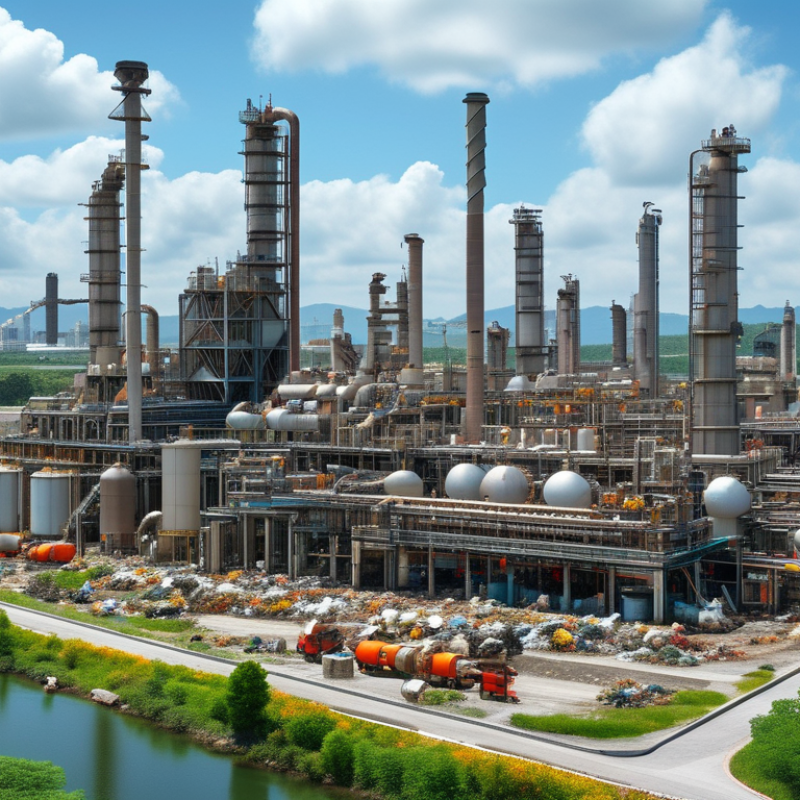
Advantages of Pyrolysis Plants in Waste Management Efficiency
Pyrolysis plants play a crucial role in enhancing waste management efficiency. They convert waste materials into valuable energy sources through a thermal decomposition process. This process not only reduces landfill waste but also produces bio-oil, syngas, and char, which can be used in various applications. The end products contribute to a circular economy, promoting sustainability and reducing dependency on fossil fuels.
One significant aspect of pyrolysis is its ability to process diverse waste types. Plastic waste, rubber, and organic materials can all be transformed. However, it's important to note that not all pyrolysis setups are equally effective. Factors like temperature control and reactor design significantly impact output quality.
Additionally, the environmental impact of these plants must be monitored carefully. While they offer benefits, improper management can lead to emissions and pollutants. Continuous improvement and innovation in technology are essential for maximizing the efficiency and minimizing the drawbacks of pyrolysis plants.
Impact of Pyrolysis Technology on Renewable Energy Production
Pyrolysis technology is transforming renewable energy production. This innovative process converts organic materials into valuable energy sources. By heating waste in an oxygen-free environment, it breaks down complex compounds. This method yields bio-oil, syngas, and char, contributing to a circular economy.
A significant benefit of pyrolysis is its ability to manage waste while producing energy. Traditional waste disposal methods can harm ecosystems. Pyrolysis mitigates this issue by using materials that would otherwise end up in landfills. It’s a sustainable choice with positive environmental impacts.
When considering a pyrolysis plant, evaluate the feedstock type. Some materials, like rubber or plastics, may generate more energy. Conducting a feasibility study is essential. This analysis will provide insights into operational efficiency and potential returns on investment.
Investing in this technology can also drive innovation. Many startups are emerging in the renewable energy sector, focusing on pyrolysis. This trend promises to enhance energy accessibility and reduce carbon footprints. However, potential buyers should approach with caution. Understanding the market dynamics is crucial for success.
Economic Benefits of Pyrolysis Systems for Investment and Job Creation
The economic benefits of pyrolysis systems extend far beyond waste management. According to a recent market report from Bloomberg, the global pyrolysis market is expected to reach $2 billion by 2025. This surge reflects growing investments in sustainable technologies. The pyrolysis process converts waste materials into valuable resources, offering a clear opportunity for job creation in the environmental sector.
Data from various industry studies indicate that each pyrolysis plant can create 50 to 100 direct jobs. This includes engineers, operators, and maintenance staff. Moreover, indirect jobs in supply chains contribute significantly to local economies. The demand for skilled labor in green technologies is rising. As communities embrace these systems, local workers gain skills in areas like waste management and renewable energy.
Investing in pyrolysis not only supports job growth but also promotes economic diversification. Companies shifting to sustainable practices can enhance their profitability. They access new markets and respond to consumer preferences for eco-friendly products. Nevertheless, challenges remain in effectively scaling these plants. Communities must address infrastructure needs and regulatory hurdles to maximize potential benefits. Balancing economic growth with environmental responsibilities is key to successful implementation.
Environmental Advantages: Reducing Carbon Footprint with Pyrolysis
The pyrolysis plant serves as a beacon of hope for environmental sustainability. By converting waste into valuable resources, it significantly reduces the volume of materials that end up in landfills. This process not only curtails waste but also minimizes harmful emissions associated with traditional disposal methods. Consequently, communities benefit from cleaner environments.
Moreover, pyrolysis lowers the carbon footprint by generating energy from waste. Instead of burning waste, which releases CO2, pyrolysis decomposes materials in an oxygen-free environment. This method produces fewer greenhouse gases. It also yields biochar, which can enhance soil quality and promote carbon sequestration. This dual benefit highlights the plant's role in combating climate change while supporting agriculture.
However, challenges remain. The technology is still evolving, and not all pyrolysis plants operate at optimal efficiency. Some facilities may struggle with maintaining consistent output quality. These issues prompt ongoing advancements in technology and operational practices. Continuous improvement is necessary for maximizing the environmental advantages that pyrolysis plants offer.
Environmental Advantages of Pyrolysis: Reducing Carbon Footprint
Global Market Trends: Demand for Pyrolysis Plants in Recycling Industries
The global market for pyrolysis plants is witnessing a significant shift. Recycling industries are increasingly adopting these technologies to improve waste management. Pyrolysis effectively converts waste into valuable resources, such as oil and gas. This process reduces landfill waste and facilitates sustainable practices.
Many countries now prioritize environmentally friendly solutions. Pyrolysis plants attract attention for their efficiency. They allow businesses to recover energy from materials that would otherwise be discarded. This trend towards sustainability reflects a growing demand for innovative recycling methods. However, implementing these practices can pose challenges. Initial costs and technology investments are often substantial.
Investors must conduct thorough research before diving in. Understanding local regulations and market dynamics is crucial. Some nations have stricter environmental guidelines than others. Global buyers should address these factors effectively. Balancing profit potential with environmental responsibility remains a pressing concern.
Top 10 Benefits of Pyrolysis Plant for Global Buyers
| Benefit | Description | Market Impact |
| Waste Reduction | Efficiently converts waste into valuable products, reducing landfill usage. | Increased demand for sustainable waste management solutions. |
| Energy Production | Generates energy in the form of gas, oil, or electricity. | Growing interest in renewable energy sources boosts market opportunities. |
| Environmental Benefits | Reduces greenhouse gas emissions compared to incineration. | Regulatory pressures favoring reduction of emissions drive investments. |
| Resource Recovery | Recovers valuable materials from waste for reuse. | Rising circular economy practices strengthen market trends. |
| Scalability | Plants can be designed to scale according to local waste supply. | Flexibility in operations enhances investment attractiveness. |
| Technological Advances | Integration of advanced technologies improves efficiency. | Innovation in recycling technologies drives competitive advantage. |
| Profitability | Potential for high returns on investment through product sales. | Market demand for recycled materials supports profitability. |
| Job Creation | Creates jobs in construction, operation, and maintenance sectors. | Local economic growth is positively impacted. |
| Compliance with Regulations | Helps meet government regulations for waste management and emissions. | Regulatory compliance can lead to financial incentives. |
| Global Market Trends | Increased global focus on recycling propels market growth. | Rising awareness drives demand for pyrolysis technology worldwide. |





