


Top Anodized Aluminum Suppliers for Global Buyers?

Choosing the right Anodized Aluminum supplier can shape a project’s cost, appearance, and service life. Global buyers need more than attractive websites or low quotations. They need evidence that a supplier can control alloy composition, sheet thickness, surface preparation, anodizing depth, and color consistency.

A dependable supplier should provide clear technical data, inspection records, production photographs, and traceable sample information. Ask how the company manages scratches, edge damage, coating variation, and batch-to-batch differences. These details often become visible only after materials reach the factory floor. No supplier is perfect. That matters.

Experienced buyers also compare packaging methods, loading procedures, export documents, and realistic lead times. A carefully wrapped aluminum panel can still arrive damaged when pallets lack corner protection or moisture control. Reliable communication is equally important, especially when specifications change across time zones. Certifications may support credibility, but they should be verified against the actual product and production site.

This guide examines top Anodized Aluminum suppliers for global buyers through practical purchasing criteria. It considers manufacturing capability, quality assurance, customization, minimum order quantities, delivery performance, and after-sales support. Some suppliers may excel at architectural profiles, while others serve electronics, transportation, or industrial applications. The strongest choice depends on your project, not a ranking alone. Buyers should request samples, review test results, and compare complete landed costs before signing a contract. A polished finish is valuable. Consistent performance is better.
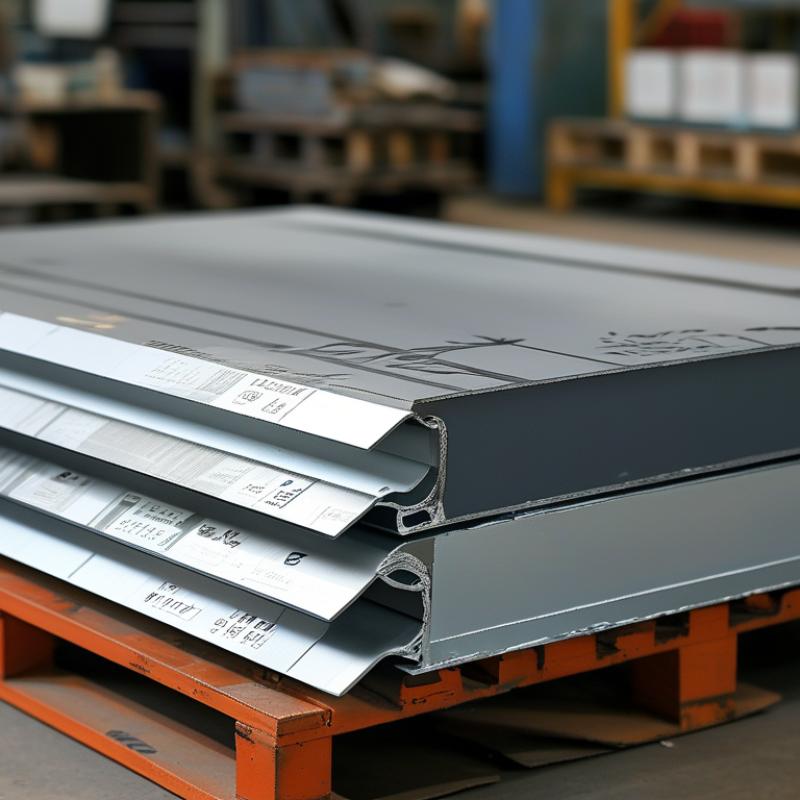
Top Anodized Aluminum Suppliers for Global Buyers?

Define Anodized Aluminum: Oxide Layers of 5–25 μm Under ISO 7599

Top Anodized Aluminum Suppliers for Global Buyers?

Anodized aluminum is aluminum covered by an electrochemically formed oxide layer. During anodizing, the surface enters an acidic electrolyte while controlled electric current builds the coating. The oxide becomes part of the metal surface, rather than a separate paint film. Under ISO 7599, coating thickness, appearance, sealing, and test methods should match the agreed specification. Common thicknesses range from 5 to 25 μm.

That range is practical, not universal. Five micrometres suits many indoor decorative components. Twenty-five micrometres offers stronger resistance for outdoor frames, panels, and frequently handled parts. Neither number guarantees performance alone. Alloy choice, surface preparation, color, sealing quality, and exposure conditions also matter. A rough extrusion may remain visibly uneven after anodizing.

For global purchasing, request the exact thickness class and measurement method. Suppliers should provide batch records, inspection results, and clear tolerance limits. Eddy-current gauges can check nonconductive oxide layers quickly, while laboratory cross-sections provide deeper verification. Ask whether samples were tested before or after sealing. This detail is often overlooked. A bright sample can mislead; gloss may hide thin areas, scratches, or inconsistent pretreatment. Buyers should compare production parts, not only polished samples. ISO 7599 supports reliable control, but the purchase specification still needs careful wording.


Compare Global Suppliers by Alloy, Finish, Capacity, and ASTM B580 Compliance

Choosing top anodized aluminum suppliers requires more than comparing prices. Global buyers should examine alloy capability, surface finish, production capacity, and ASTM B580 compliance. Common alloys include 6061 for structural parts, 6063 for architectural profiles, and 5052 for formed components. Each alloy reacts differently during anodizing, so color and coating uniformity can vary.

Finish selection should match the service environment. Clear, bronze, black, and custom colors may require different process controls. Ask whether the supplier supports matte, bright, brushed, or bead-blasted surfaces. Review coating thickness, sealing quality, color tolerance, and scratch resistance. Capacity also matters. A supplier may produce excellent samples but struggle with a large monthly order. Request equipment details, lead times, batch sizes, and documented quality records.

Tips: Request recent ASTM B580 test reports, coating measurements, and lot traceability. Confirm the specified alloy before approving samples. Check whether the quoted capacity includes anodizing, machining, packing, and export preparation. Small details become expensive later. In my experience, sample approval alone is not enough; production controls can still drift between batches. Buyers should inspect several production lots when appearance is critical. Ask for corrective-action records, even if the supplier seems highly experienced. That conversation may reveal weaknesses early.

Assess 6063-T5 Profiles, Minimum Order Quantities, and Production Lead Times

Global buyers should assess 6063-T5 aluminum profiles beyond unit price. The International Aluminium Institute reported approximately 70.6 million tonnes of global primary aluminum production in 2023. This scale supports broad supply, but it also creates uneven quality between mills and extruders. Ask for the alloy certificate, temper confirmation, dimensional tolerances, surface-finish samples, and independent inspection records. A polished sample can hide inconsistent wall thickness.

Minimum order quantities often depend on billet planning, die size, and finishing requirements. Standard profiles may accept 500–1,000 kilograms, while custom dies can require higher commitments. Tooling charges should be separated from profile pricing. Request a written quotation showing die cost, sample quantity, packaging, and replacement terms. Low MOQ sounds attractive. It may increase the kilogram price sharply.

Production lead times commonly range from three to eight weeks after drawing approval and deposit. New tooling may add one to three weeks, while anodizing and export packing can add several days. The World Bank’s Commodity Markets Outlook has repeatedly shown aluminum prices responding to energy costs and supply disruptions, so quotations need a validity period. Confirm whether lead time starts at payment, technical approval, or sample acceptance. That detail is easy to miss. A practical evaluation should compare delivered cost, defect allowance, communication speed, and corrective-action history, not just the cheapest offer. One weakness remains: published reports describe market conditions, not each supplier’s real factory capacity. Verify every promise with recent production records.

Indicative 6063-T5 Anodized Aluminum Supplier Benchmarks

Typical market benchmarks for global buyers comparing standard 6063-T5 anodized profiles. Minimum order quantities are shown in metric tons per profile specification, while production lead times cover extrusion, anodizing, inspection, and packing. Actual figures vary by profile complexity, finish, tooling, and destination.

Audit 20–25 μm Coatings Through Color Control, Adhesion, and Salt-Spray Tests

Top Anodized Aluminum Suppliers for Global Buyers?

Global buyers should audit more than a supplier’s color card. For 20–25 μm anodized coatings, test records reveal process discipline. Request alloy, temper, surface preparation, bath temperature, and sealing data for every production lot. Color should be measured in L*a*b* values, not judged by memory. Compare samples under controlled daylight and confirm an agreed ΔE tolerance. Keep a retained reference panel. Small shade changes can appear after installation.

Adhesion testing needs care. Anodizing is an electrochemical layer, not ordinary paint. Use a validated tape or cross-hatch method suitable for anodized aluminum. Do not copy paint criteria blindly. Inspect cut edges under magnification, then record detached areas with photographs. A clean result matters, but test consistency matters more. One weak panel may expose unstable cleaning or sealing.

Salt-spray testing adds another useful check. Specify the chamber method, commonly 5% neutral salt solution near 35°C, and define exposure time before testing. Inspect pits, staining, blistering, and edge attack at scheduled intervals. Salt spray alone cannot predict every outdoor condition. That limitation deserves attention. Ask whether failed panels were retested, replaced, or quietly excluded. Review calibration certificates, sampling plans, and traceable reports before approving a supplier. The uncomfortable detail is often the most valuable one.

Evaluate Certifications, Total Cost, Packaging, and International Export Logistics

Top Anodized Aluminum Suppliers for Global Buyers?

Certification is the first filter, not the final decision. ISO’s 2022 Survey recorded more than 1.26 million ISO 9001 certificates worldwide. That number shows scale, not product capability. Ask for the certificate scope, issuing body, expiry date, and anodizing process records. Verify coating thickness, color tolerance, surface hardness, and corrosion performance through independent test reports. ISO 9227 salt-spray testing can support corrosion claims, but it does not perfectly represent every outdoor environment. That limitation matters. A supplier with strong paperwork may still deliver inconsistent batches.

Total cost includes more than the aluminum price. Compare alloy, temper, anodizing grade, machining loss, inspection fees, packaging, duties, insurance, and inland transport. The International Aluminium Institute reports that recycled aluminum requires far less energy than primary production, so recycled content may reduce environmental impact. However, availability and surface consistency can vary. Request recycled-content evidence before paying a premium.

Packaging should protect finished surfaces from abrasion, moisture, and trapped condensation. Specify protective film, separators, edge guards, pallet strength, and carton markings. Wooden pallets may require ISPM 15 treatment for international shipments. The World Bank’s 2023 Logistics Performance Index evaluates customs, infrastructure, shipment reliability, and tracking across 139 economies. Use those factors when comparing ports and routes. UNCTAD reports that maritime shipping carries over 80% of global merchandise trade by volume, making schedule disruption a practical pricing risk. Build buffer time into contracts. A cheaper shipment can arrive late, damaged, or both.

Powder Coat Booths

For those larger-sized parts, or smaller quantity runs, we have 2 independent powder coat booths and ovens. The quality, durability and affordability of today’s powder coating finishes make this the process of choice for world-class companies.

Powder coating advantages over other forms of coating are many. Materials used in the Powder coating process can be metals and non-metals that come in a multitude of thicknesses, textures, colors, etc. Another of Powder coating’s biggest advantages over conventional coatings is its ability to create finishes in many different textures. Powder Coating Booths allow us the ability to apply these advantages to large products.

Wet Paint Line

Tri-State Fabricators runs a full-service conveyor line for painting. Wet painting can provide protection or decoration to many different part styles. From start to finish, every project is easier to undergo random and point-based inspection by our skilled painting team.

Advantages to our Wet Paint Line are these lines start with product prep and ends with a thorough inspection of a high quality finished product. Our ability to complete large and small projects with a superior finish and doing so in a timely and economical fashion. This passes along the savings in production to our customers. When powder coating ins not an option, our Wet Paint Line gets the job done right the first time.

Wet Paint Booths

When the parts get big and heavy we roll-out our custom paint racks and oversize booth. By utilizing our partnerships with all the major paint brands, we can match virtually any color with wet paint.

The advantages of having access to a Wet Paint Booth are many. Large projects of many different shapes can be loaded into the booth. The Wet Paint Booth offers an environment that is much more controlled than a typical parts painting operation.

Not only are they used because of their controlled environment, but they’re are also advantageous when it comes to applying paint to parts that are needed in industries that require specialty coatings such as medical, aerospace, etc.

Military CARC

Our military forces have some very high standards when it comes to the finish of their vehicles and equipment. From the first pre-treatment step to final coat, it takes a great deal of knowledge and experience to protect the men and women of our armed forces. They deserve only the best, and Tri-State Fabricators provides it.

All of our processes are closely monitored by our staff and management teams. Both of which are highly trained in the processes of metal fabrication and finishing. Tri-State Fabricators’ goal is to always fully satisfy each and every customer, including the military. We will always put a 110% into what we do.

Glass-Bead Blasting

Abrasive media blasting is an excellent way to remove old paint, rust, and increase the paint/powder adhesion. Glass beads produce a much smoother and brighter finish than angular abrasives; leaving the part clean yet without any dimensional change. Chemically inert and environmentally friendly, we can recycle our beads approximately 30 times; making them a more preferred method of metal cleaning or surface finishing.

Advantages to Glass Bead Blasting are many. Glass bead blast media is used when a project is needing rough surfaces need to become smooth for applications of coatings such as paint. It is typically used to clean paint and rust from a product surface without deforming the surface it is being used on. Overall, compared to many other blasting media, Glass Bead Blasting is a very economical choice and those savings are always passed on to our customers.

Part Washing

Tri-State Fabricators utilize a zinc phosphate wash to clean and etch the material to ensure the best paint adhesion possible. The unique design of our 3-stage wash system does the work like a 5-stage. From Cleaning and rinsing to conversion coating and post-treatment, Our Part Washing process is a complete service and works throughout the fabrication service and the finishing service.

Along with the previously mentioned benefits, Curing is a vital chemical reaction that leaves the product finish hard and relatively safe from mild abrasion and aggressive corrosion. This process can be done in more than one way; ambient air-dry or in curing ovens at temps that exceed 240°.

Burn-Off Oven

From fixing paint mistakes (someone else’s of course) to simply cleaning our paint line hooks, our burn-off oven is put to good use. After a quick burn-off, a little clean up, and a fresh coat of paint, your parts will look better than new.

Why does our Burn-Off Oven work so well? Because super heating the air around parts turns the materials into ashes. From paint and powder coatings to rubber and machining oils, high temps do the job without degrading the integrity of the part.

Masking

Masking is a vital part of producing high quality products. We have die-cut masking patterns to protect machined surfaces as well as a wide range of plugs and caps to protect threaded holes and bolts. We provide permanent and temporary masking.

Masking allows the selected sections of a product to be protected from a fabrication or finishing service. This can be with both chemicals when etching and tapes, paints when only finishing just a section of the product. Masking is great in aiding the customization process of a project.

Screen Printing

Screen printing is a photographic process that transfers artwork onto a porous nylon screen which allows colored ink to flow through the screen and be deposited on an aluminum or plastic component. We can generally have just about any design created onto a screen for your parts.

Some of the advantages of Screen Printing are, brand recognition for your business displaying on your products, assembly instructions, product warnings/hazards, etc. Tri-State Fabricators produces Screen Printing of the highest quality so you know it’s durable.

Metal Finishing

Metal Finishing is the art of treating the exterior portion of product, often metal but can also be made of other materials, so that the surface is clean and free of any debris. Then the process of applying coats or either paint of powder coat takes place. This coating process improves the quality of the product in both appearance and resistance to wear and corrosion.

Tri-State Fabricators, Inc., understands that a project typically isn’t complete until a high-quality finish has been added to your product. This is why our painting and powder coating teams continuously inspect the products throughout the Metal Finishing process.
