Top 10 Aluminum Melting Furnaces You Need to Know?
In the world of metalworking, choosing the right equipment is crucial. An Aluminum Melting Furnace is a key component in the aluminum recycling and manufacturing process. This piece of machinery transforms solid aluminum into a molten state, making it easier to cast and mold into new shapes.
There are many options available. Each furnace varies in size, capacity, and technology. Some are designed for small operations, while others suit large industrial needs. Understanding these differences helps businesses optimize their melting processes. However, not all furnaces meet the necessary quality standards. Researching and comparing models can be overwhelming.
Investing time to learn about the top options is essential. This knowledge can lead to better performance and efficiency. However, it's important to consider more than just cost. Long-term reliability and maintenance are critical factors. Ultimately, selecting the right Aluminum Melting Furnace can greatly impact productivity and success in metalworking endeavors.
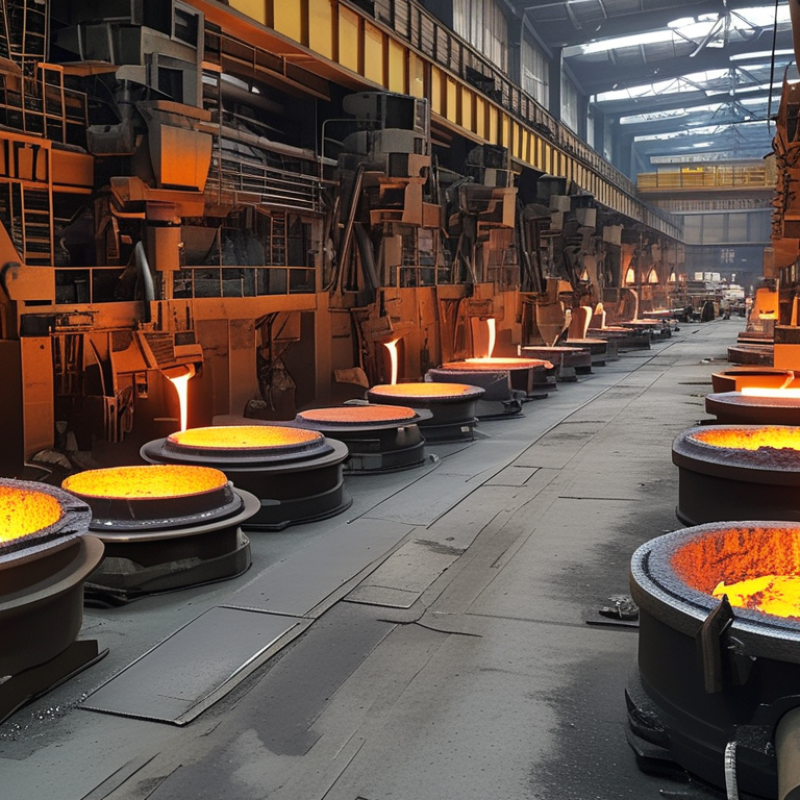
Overview of Aluminum Melting Furnaces and Their Importance
Aluminum melting furnaces play a vital role in the metal recycling industry. They are essential for transforming scrap aluminum into usable metal. This process contributes to substantial energy savings. According to the Aluminum Association, recycling aluminum saves up to 90% in energy compared to producing new aluminum. This staggering amount highlights the importance of efficient melting technology.
The melting process itself can be complex. Proper temperature control is crucial for melting aluminum without excessive oxidation. When aluminum is overheated, it can become contaminated with impurities. This can affect the quality of the final product. Studies show that furnaces with precise temperature management produce aluminum with better mechanical properties.
However, not all aluminum melting furnaces are created equal. Some may lack adequate insulation, leading to energy losses. In fact, a recent report indicated that almost 30% of energy in furnaces could be wasted due to inefficient designs. Manufacturers need to assess choices carefully. Investing in high-quality equipment can improve long-term operational efficiency and reduce overall costs.
Types of Aluminum Melting Furnaces Used in Industry
Aluminum melting furnaces play a crucial role in the metal manufacturing industry. These furnaces come in various types, each designed for specific applications. Crucibly furnaces are common for small-scale operations. They offer flexibility and are easy to use. However, they may not be efficient for large quantities.
Induction furnaces are another popular choice. They use electromagnetic energy to melt aluminum quickly and evenly. This method is highly efficient and often results in lower energy costs. Still, the capital investment can be significant.
Reverberatory furnaces provide a different option. They are suited for large-scale melting. These furnaces can handle significant amounts of metal. However, they can have longer heat-up times and require more maintenance. Overall, selecting the right furnace type depends on the specific needs of a business. It’s essential to assess the operational scale and energy efficiency when making a choice.
Key Features to Consider When Choosing a Melting Furnace
When choosing an aluminum melting furnace, several key features can significantly impact performance and efficiency. The type of furnace plays a crucial role. Electric furnaces are quieter and cleaner, while gas furnaces often heat materials faster. The melting capacity should align with your production needs. An undersized furnace may cause delays, whereas an oversized one can lead to excessive energy use.
Temperature control is another important factor. Precise temperature regulation ensures uniform melting. Look for furnaces with advanced digital controls. Safety features cannot be neglected. Consider models with automatic shut-off and emergency alarms. Durability also matters. Materials used in construction affect longevity and maintenance requirements. Some furnaces may require more frequent repairs than others, impacting overall efficiency.
Finally, consider the energy consumption. High-efficiency models may have a higher initial cost but save on energy bills. Reflect on these features and how they align with your operational goals. Selecting the right furnace is an investment that requires careful thought and a focus on long-term performance.
Top 10 Aluminum Melting Furnaces: Performance and Specifications
Aluminum melting furnaces play a crucial role in the metal recycling sector. The performance of these furnaces can significantly impact energy efficiency and cost-effectiveness. According to recent data, the global market for aluminum melting furnaces is expected to reach $2.4 billion by 2027, driven by the demand for sustainable manufacturing processes. Specifications vary across models, focusing on energy consumption, melting capacity, and control systems.
Leading models often feature advanced control technologies to optimize the melting process. For instance, furnaces with a capacity above 500 kg can reach melting temperatures of about 700-800 degrees Celsius. This efficiency can decrease energy usage by approximately 30% when compared to older models. However, not all furnaces provide this level of performance; some still rely on outdated heating methods that lead to greater fuel consumption and higher emissions.
Finding reliable performance specifications becomes challenging in a diverse market. Some models may lack adequate insulation, affecting melting time and energy costs. Industry trends show a shift toward electric furnaces due to lower environmental impact, but their initial investment can be higher. There is a clear need for ongoing evaluation of furnace efficiency and the integration of new technologies for better sustainability.
Maintenance Tips for Extending the Lifespan of Melting Furnaces
Maintaining aluminum melting furnaces is crucial for operational efficiency. Regular inspections help identify wear and tear early on. Check the refractory lining routinely. Damaged linings can lead to heat loss, reducing efficiency. Consider using infrared thermometers for these assessments. They are effective to pinpoint hot spots and cold areas in the furnace structure.
Daily cleaning of the furnace interior is also essential. Accumulated debris can impede proper melting and lead to additional energy consumption. Ensure that the exhaust systems are clear from obstructions. Blocked exhaust can cause overheating and might shorten the furnace's lifespan. Additionally, monitor the electrical connections. Loose wires may result in power fluctuations, creating operational issues.
Training your team on proper operational protocols can be beneficial. Knowledgeable staff can spot potential issues based on experience. Regular training refreshes their skills and awareness of maintenance practices. However, it is important to ensure that all employees understand the significance of their roles. A lack of understanding can create gaps in maintenance routines. Regularly revising maintenance schedules based on observed performance can provide insights for improvement.





