


What Are the Top Aluminium Beer Cans Suppliers in China?

China’s aluminium beverage-can industry has become a practical sourcing base for breweries, beverage brands, and contract packers worldwide. The strongest suppliers combine stable alloy quality, high-speed production, reliable printing, and disciplined delivery schedules. However, identifying the top Aluminium Beer Cans suppliers requires more than comparing factory prices.

Industry specialist Robert Budway, President and CEO of the Can Manufacturers Institute, has stated, “Aluminum cans are infinitely recyclable.” This point matters. A can begins as a flat sheet, passes through forming and coating lines, then reaches consumers with minimal material waste. That simple journey hides strict technical demands, including wall thickness control, internal lacquer performance, lid compatibility, and resistance to pressure during filling and transport.

Several Chinese manufacturers deserve attention, including ORG Technology, Baosteel Packaging, CPMC Holdings, Shengxing Group, and other regional producers. Their capabilities are not identical. Some focus on large-volume standard cans. Others offer specialty dimensions, color effects, or smaller minimum orders. The difference can appear in small details, such as a slightly uneven rim, inconsistent color under warehouse lighting, or delayed replacement stock.

No ranking is flawless. Supplier performance can change with new equipment, management decisions, raw-material costs, and export experience. Buyers should request recent test reports, factory audit records, sample cans, and references from comparable beverage projects. Ask direct questions. Check the answers.

This guide examines leading Chinese Aluminium Beer Cans suppliers through quality, customization, sustainability, production capacity, certifications, and communication reliability. Price matters, but it should not dominate the decision. A cheaper can may become expensive when filling lines stop or printed designs fail inspection.
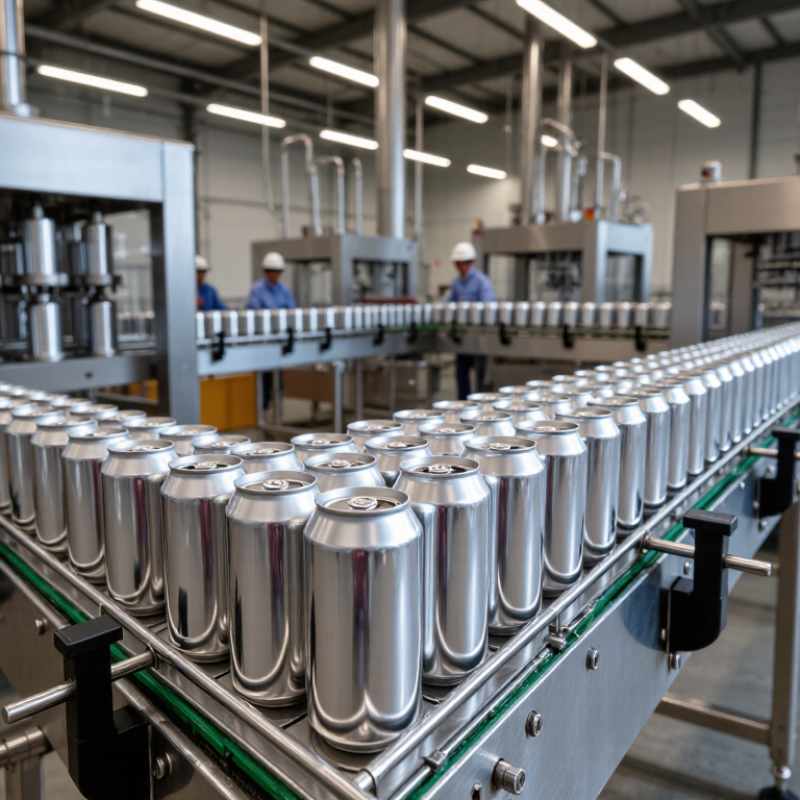
What Are the Top Aluminium Beer Cans Suppliers in China?

China’s Aluminium Beer Can Industry and Supplier Landscape

What Are the Top Aluminium Beer Cans Suppliers in China?

China’s Aluminium Beer Can Industry and Supplier Landscape

China’s aluminium beer can industry serves breweries, beverage producers, and export distributors across many markets. Production is concentrated near coastal manufacturing and logistics hubs. These areas offer access to aluminium coils, printing facilities, ports, and specialised tooling services.

In supplier evaluations, production control matters more than a polished catalogue. Experienced factories usually manage cupping, ironing, trimming, washing, coating, printing, and inspection in defined stages. Common can sizes include 330 ml, 355 ml, and 500 ml. Standard alloys may include 3004 or 3104 aluminium, depending on the design and forming requirements. Suppliers should provide material certificates, coating specifications, and batch-level inspection records.

Ask about line speed, minimum order quantities, tooling ownership, and realistic lead times. Confirm whether the supplier tests pressure resistance, seam quality, coating adhesion, and dimensional accuracy. Food-contact compliance should match the destination market’s requirements. Recycling claims also need evidence, not attractive wording.

Small details matter. A damaged pallet can affect thousands of cans. Humidity during storage may weaken printed surfaces or packaging. In supplier audits, I would inspect warehouse conditions, sample retention, corrective-action records, and loading procedures.

A lower quotation can hide extra tooling fees, higher defect rates, or expensive inland transport. That risk is easy to underestimate.

The landscape is broad, but not every manufacturer offers the same level of technical support. Some suppliers excel at high-volume standard cans, while others handle shorter runs or customised finishes better. Buyers should compare verified production data, not promises alone.

Mistakes still happen, even with strong systems. Regular sampling remains necessary.

Key Criteria for Evaluating Aluminium Beer Can Suppliers

What Are the Top Aluminium Beer Cans Suppliers in China?

Supplier evaluation should begin with can performance, not catalog design. Check alloy grade, wall thickness, neck accuracy, and internal coating compatibility. A reliable supplier should provide material certificates and batch-level traceability. Ask for seam inspection records, pressure tests, leakage results, and dimensional reports. Small defects can spoil an entire filling run.

Production scale also matters. Review monthly capacity, tooling ownership, line maintenance, and backup equipment. The supplier should explain how it controls dents, scratches, and coating pinholes. Request recent audit evidence for ISO 9001 and ISO 14001 systems. Food-contact compliance must be supported by credible laboratory documents, not vague claims.

The International Aluminium Institute reports that aluminium recycling uses about 5% of the energy required for primary aluminium production. Therefore, recycled content and scrap-control data deserve attention. The figures may vary by region and process.

Commercial reliability is less visible but equally important. Compare lead times, minimum order quantities, pallet protection, and response procedures for rejected cans. A factory visit can reveal more than a sales presentation. Look at warehouse humidity, can stacking, and sample retention practices.

I would not trust a polished brochure alone. My checklist is still imperfect. Independent testing remains necessary before approval.

The supplier should also share corrective-action reports when failures occur. Silence is a warning sign.

Leading Aluminium Beer Can Suppliers in China

China has a broad base of aluminium beer can suppliers serving breweries, beverage fillers, and export distributors. Leading suppliers usually offer standard can sizes, matching ends, and several decoration options. Their factories often support high-volume production with automated forming and printing lines. From practical supplier checks, the strongest candidates explain material thickness, internal coating, and seam performance clearly. They do not hide behind attractive sample packaging.

A reliable supplier should provide food-contact documentation, batch records, and measurable quality standards. Ask for test data covering can weight, pressure resistance, coating adhesion, and dimensional accuracy. Production samples should match the approved specification, not only the showroom sample. Small details matter. A loose end or uneven print can create filling delays and customer complaints. Independent factory audits can also reveal storage problems, weak inspection routines, or unclear responsibility.

Pricing deserves careful review. A low quotation may exclude tooling, transport, testing, or replacement terms. Discuss minimum order quantities and realistic lead times before signing an agreement. Suppliers with export experience usually understand packing protection, container loading, and customs documents. Still, experience is not proof of perfection. Some factories communicate well but struggle during peak seasons. A pilot order can expose these weaknesses early. I would also keep written records of every revision, because verbal promises are easily misunderstood across languages and time zones.

Comparing Product Quality, Capacity, and Customization Options

Choosing top aluminium beer can suppliers in China requires more than comparing catalog prices. Product quality starts with consistent aluminium thickness, accurate dimensions, and clean can bodies. During supplier evaluations, inspect seam strength, internal coating coverage, and surface defects. A glossy sample can mislead.

Ask for batch inspection records and food-contact compliance documents. Independent testing is even better. Reliable suppliers should control oxygen pickup, coating adhesion, and dimensional tolerance. These details protect flavor and reduce filling-line stoppages. Small defects become expensive at scale. Do not overlook them.

Capacity matters when demand changes. A suitable supplier should show stable monthly output, equipment details, and realistic lead times. Ask whether production serves several clients simultaneously. Customization may include can height, diameter, matte finishes, printed graphics, embossing, and special opening designs. Confirm tooling fees, minimum order quantities, color limits, and approval procedures before signing. Some suppliers promise almost unlimited customization, but their printing lines may not support it. That gap deserves careful questioning. Pilot orders help test quality, delivery discipline, and packaging protection. Supplier performance should be reviewed across several batches, not one attractive shipment.

How to Select and Source the Right Chinese Supplier

Choosing a Chinese aluminium beer can supplier requires more than comparing quoted prices. Begin with the can specification: diameter, volume, wall thickness, alloy, finish, and printing method. Ask for recent samples from the same production line. Inspect the rim, seam, coating, and stacking strength under cold storage conditions. A polished sample can hide unstable mass production. Request batch records, food-contact declarations, and certificates covering the destination market. Need reliable evidence.

Supplier screening should combine documents with a factory assessment. Check production capacity, furnace controls, mold maintenance, and quality checkpoints. Ask how defects are isolated and how corrective actions are recorded. A capable supplier should explain its process without vague promises. Review export experience, packaging protection, loading plans, and communication response times. Third-party audits can help, but they do not replace independent pre-shipment inspection. Also confirm tooling ownership and responsibility for damaged goods. These details are easy to overlook.

Before signing, compare total landed cost rather than unit price alone. Include tooling, testing, inland transport, ocean freight, duties, insurance, and inspection fees. Set measurable limits for dents, coating failures, dimensions, and print registration. Use a pilot order before committing to large volumes. Record approval samples in writing. Payment milestones should match verified production progress. A small mistake in seam quality can create leakage, waste, and customer complaints. In practical sourcing, fast quotations are useful, but consistent evidence matters more. Still, no checklist is perfect. Recheck assumptions after the first shipment.

What Are the Top Aluminium Beer Cans Suppliers in China? - How to Select and Source the Right Chinese Supplier
Supplier Profile Typical Can Formats Can and End Specifications Indicative MOQ Typical Production Lead Time Decoration Options Quality and Food-Contact Documentation Best Fit for Buyers Key Verification Questions
Profile A
High-volume standard-can producer
330 ml 355 ml 500 ml 202 beverage-can end; standard two-piece aluminum body; common body diameters of approximately 52–66 mm depending on format; beverage-grade internal coating. 100,000–300,000 cans per SKU 25–40 calendar days after artwork approval and deposit Printed can decoration, full-body graphics, matte or gloss finishes, standard silver or colored ends. Request ISO 9001, food-contact declarations, coating compliance documents, batch test reports, and migration-test records. Established beer brands, contract breweries, and importers requiring repeat container supply. Ask for monthly capacity, line utilization, actual defect rate, pallet configuration, and backup production arrangements.
Profile B
Flexible mid-volume custom supplier
250 ml 330 ml 355 ml Slim and standard formats; 202 ends commonly available; body thickness and alloy should be confirmed against the supplier’s technical data sheet. 50,000–150,000 cans per SKU 30–45 calendar days, including plate or artwork preparation Multiple-color printing, tactile varnish, matte coating, special-effect finishes, and limited seasonal artwork. Request material certificates, food-contact declarations for the destination market, print-color approval samples, and coating specifications. Craft breweries, seasonal launches, regional distributors, and buyers testing several package sizes. Confirm whether the MOQ applies to each design, color version, size, and delivery batch.
Profile C
Slim-can specialist
250 ml slim 330 ml slim Narrow-body aluminum cans with compatible easy-open ends; dimensions, neck profile, and filling-line compatibility must be checked before ordering. 100,000–250,000 cans per SKU 30–50 calendar days High-resolution lithographic printing, matte or gloss varnish, and individually specified end colors. Request dimensional inspection records, pressure and seam-test results, internal-coating documentation, and food-contact compliance files. Premium beer, low-alcohol beer, specialty beverages, and products positioned around portability. Verify compatibility with the customer’s filler, seamer, pasteurization process, and case-packing equipment.
Profile D
Large-format can producer
473 ml 500 ml 568 ml Standard large-format two-piece cans; 202 ends are common, while larger dimensions and end specifications vary by production line. 150,000–400,000 cans per SKU 35–55 calendar days Standard multi-color printing, protective varnish, and customized graphics subject to line capability. Request pressure-resistance data, seam-integrity reports, pallet-drop test results, and coating compliance documentation. Retail multipacks, festivals, sports events, and high-volume beer programs using larger serving sizes. Confirm can height, pallet loading limits, container utilization, and whether the finished can fits existing secondary packaging.
Profile E
Export-oriented compliance supplier
330 ml 355 ml 473 ml Standard and sleek formats with documented dimensions; product specifications should be matched to the importer’s regional filling and labeling requirements. 100,000–300,000 cans per SKU 30–45 calendar days, excluding shipping time Multi-color decoration, customer-approved color standards, varnish selection, and barcode or regulatory artwork support. Request an export-quality manual, traceability procedure, certificate of analysis, food-contact declarations, and third-party audit reports where applicable. Overseas distributors and importers that need consistent documentation and traceable batch control. Confirm Incoterms, export documents, carton and pallet standards, container loading plan, and claims-handling procedure.
Profile F
Low-carbon and recycled-content focused supplier
330 ml 355 ml 500 ml Aluminum can bodies using supplier-declared recycled-content or lower-carbon material options; the percentage and accounting method require documentary verification. 150,000–500,000 cans per SKU 35–60 calendar days Standard printed decoration with optional sustainability-related packaging documentation. Request material-origin records, recycled-content evidence, environmental declarations when available, food-contact documents, and production-batch traceability. Buyers with published packaging targets, sustainability reporting requirements, or retailer environmental specifications. Ask whether the recycled-content claim is pre-consumer or post-consumer, mass-balance based or physically segregated, and independently verified.
Profile G
Private-label and small-batch service provider
250 ml 330 ml 500 ml Common commercial formats sourced from qualified production lines; can dimensions and end type must be confirmed for every order. 30,000–100,000 cans per SKU 35–60 calendar days Stock-can programs, digital or short-run decoration where available, and conventional printed-can production for larger orders. Request the actual manufacturing source, current certificates, incoming-material controls, finished-goods inspection records, and traceability details. New beverage companies, pilot launches, test-market orders, and buyers that need purchasing assistance. Clarify whether the intermediary controls production, how quality claims are handled, and who is legally responsible for the goods.
Purchasing note: The quantities, lead times, and specifications shown are indicative Chinese-market sourcing ranges rather than company-specific claims. Before placing an order, verify current capacity, technical drawings, food-contact compliance, sample approval, seam quality, internal coating, payment terms, Incoterms, and shipping costs in writing.

Powder Coat Booths

For those larger-sized parts, or smaller quantity runs, we have 2 independent powder coat booths and ovens. The quality, durability and affordability of today’s powder coating finishes make this the process of choice for world-class companies.

Powder coating advantages over other forms of coating are many. Materials used in the Powder coating process can be metals and non-metals that come in a multitude of thicknesses, textures, colors, etc. Another of Powder coating’s biggest advantages over conventional coatings is its ability to create finishes in many different textures. Powder Coating Booths allow us the ability to apply these advantages to large products.

Wet Paint Line

Tri-State Fabricators runs a full-service conveyor line for painting. Wet painting can provide protection or decoration to many different part styles. From start to finish, every project is easier to undergo random and point-based inspection by our skilled painting team.

Advantages to our Wet Paint Line are these lines start with product prep and ends with a thorough inspection of a high quality finished product. Our ability to complete large and small projects with a superior finish and doing so in a timely and economical fashion. This passes along the savings in production to our customers. When powder coating ins not an option, our Wet Paint Line gets the job done right the first time.

Wet Paint Booths

When the parts get big and heavy we roll-out our custom paint racks and oversize booth. By utilizing our partnerships with all the major paint brands, we can match virtually any color with wet paint.

The advantages of having access to a Wet Paint Booth are many. Large projects of many different shapes can be loaded into the booth. The Wet Paint Booth offers an environment that is much more controlled than a typical parts painting operation.

Not only are they used because of their controlled environment, but they’re are also advantageous when it comes to applying paint to parts that are needed in industries that require specialty coatings such as medical, aerospace, etc.

Military CARC

Our military forces have some very high standards when it comes to the finish of their vehicles and equipment. From the first pre-treatment step to final coat, it takes a great deal of knowledge and experience to protect the men and women of our armed forces. They deserve only the best, and Tri-State Fabricators provides it.

All of our processes are closely monitored by our staff and management teams. Both of which are highly trained in the processes of metal fabrication and finishing. Tri-State Fabricators’ goal is to always fully satisfy each and every customer, including the military. We will always put a 110% into what we do.

Glass-Bead Blasting

Abrasive media blasting is an excellent way to remove old paint, rust, and increase the paint/powder adhesion. Glass beads produce a much smoother and brighter finish than angular abrasives; leaving the part clean yet without any dimensional change. Chemically inert and environmentally friendly, we can recycle our beads approximately 30 times; making them a more preferred method of metal cleaning or surface finishing.

Advantages to Glass Bead Blasting are many. Glass bead blast media is used when a project is needing rough surfaces need to become smooth for applications of coatings such as paint. It is typically used to clean paint and rust from a product surface without deforming the surface it is being used on. Overall, compared to many other blasting media, Glass Bead Blasting is a very economical choice and those savings are always passed on to our customers.

Part Washing

Tri-State Fabricators utilize a zinc phosphate wash to clean and etch the material to ensure the best paint adhesion possible. The unique design of our 3-stage wash system does the work like a 5-stage. From Cleaning and rinsing to conversion coating and post-treatment, Our Part Washing process is a complete service and works throughout the fabrication service and the finishing service.

Along with the previously mentioned benefits, Curing is a vital chemical reaction that leaves the product finish hard and relatively safe from mild abrasion and aggressive corrosion. This process can be done in more than one way; ambient air-dry or in curing ovens at temps that exceed 240°.

Burn-Off Oven

From fixing paint mistakes (someone else’s of course) to simply cleaning our paint line hooks, our burn-off oven is put to good use. After a quick burn-off, a little clean up, and a fresh coat of paint, your parts will look better than new.

Why does our Burn-Off Oven work so well? Because super heating the air around parts turns the materials into ashes. From paint and powder coatings to rubber and machining oils, high temps do the job without degrading the integrity of the part.

Masking

Masking is a vital part of producing high quality products. We have die-cut masking patterns to protect machined surfaces as well as a wide range of plugs and caps to protect threaded holes and bolts. We provide permanent and temporary masking.

Masking allows the selected sections of a product to be protected from a fabrication or finishing service. This can be with both chemicals when etching and tapes, paints when only finishing just a section of the product. Masking is great in aiding the customization process of a project.

Screen Printing

Screen printing is a photographic process that transfers artwork onto a porous nylon screen which allows colored ink to flow through the screen and be deposited on an aluminum or plastic component. We can generally have just about any design created onto a screen for your parts.

Some of the advantages of Screen Printing are, brand recognition for your business displaying on your products, assembly instructions, product warnings/hazards, etc. Tri-State Fabricators produces Screen Printing of the highest quality so you know it’s durable.

Metal Finishing

Metal Finishing is the art of treating the exterior portion of product, often metal but can also be made of other materials, so that the surface is clean and free of any debris. Then the process of applying coats or either paint of powder coat takes place. This coating process improves the quality of the product in both appearance and resistance to wear and corrosion.

Tri-State Fabricators, Inc., understands that a project typically isn’t complete until a high-quality finish has been added to your product. This is why our painting and powder coating teams continuously inspect the products throughout the Metal Finishing process.

