


What Are the 2026 Top Home Gymnasium Equipment Trends? This question now reaches beyond treadmills and adjustable dumbbells. Home training is becoming more connected, compact, and measurable. However, convenience does not automatically create consistency.
The ACSM Worldwide Survey of Fitness Trends for 2025 ranked wearable technology first, mobile exercise applications second, and traditional strength training fifth. These findings suggest a practical 2026 direction: equipment may increasingly connect heart-rate data, workout history, and coaching platforms. Walter R. Thompson, Ph.D., former lead author of the ACSM survey, said, “Wearable technology has been the number one trend for the past five years.” His observation supports the growth of smart resistance machines, connected bikes, recovery devices, and sensor-based training tools inside the Home Gymnasium.
The Global Wellness Institute valued the global wellness economy at $6.3 trillion in 2023 and projected it could reach $9 trillion by 2028. That broader expansion may encourage households to invest in durable, space-saving equipment. Foldable racks, modular cable systems, quiet rowing machines, and adjustable weights could become more attractive than oversized machines. Yet the forecast is not perfect. A connected mirror can still gather dust. A premium machine cannot correct poor movement habits without suitable instruction. Buyers should examine warranty coverage, data privacy, repair access, noise levels, and verified performance claims. The strongest 2026 trend may not be technology alone. It may be equipment that fits real rooms, real budgets, and imperfect routines.
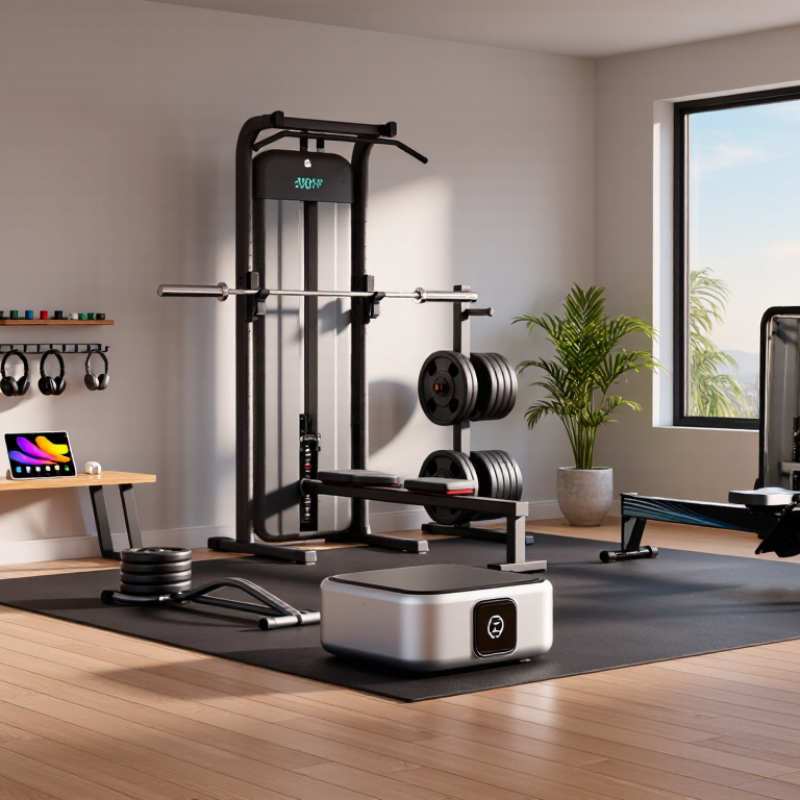
What Are the 2026 Top Home Gymnasium Equipment Trends?
Home gym equipment is shifting from bulky collections to efficient, measured training spaces. The Fortune Business Insights Home Fitness Equipment Market report valued the sector at about $11.6 billion in 2024. It projects continued growth through 2032, although forecasts vary by research method. That difference deserves attention.
Space-saving strength equipment will remain important in 2026. Adjustable dumbbells, foldable benches, resistance systems, and compact racks fit bedrooms and small apartments. Strength training also supports a wider age range than many older fitness trends. The American College of Sports Medicine ranked traditional strength training among its leading global fitness trends for 2025. In practical use, a quiet adjustable bench can replace several large machines.
Connected equipment is becoming more selective. Users want clear progress records, guided sessions, and recovery feedback. They do not necessarily want another complicated screen. ACSM’s 2025 Worldwide Survey placed wearable technology and mobile exercise applications among the strongest trends. Still, technology can create friction. A delayed app, inaccurate sensor, or confusing subscription may interrupt a simple workout.
Low-impact training will also shape purchasing decisions. Indoor cycling, walking platforms, mobility tools, and controlled resistance systems suit users managing joint stress or returning after inactivity. Sustainability is entering the conversation through repairable parts, lower energy use, and longer equipment life. Yet this shift remains uneven. Many products still prioritize fast replacement over durable construction, so buyers should inspect warranties, materials, noise levels, and maintenance access before choosing.

Connected home gyms are moving beyond screens, timers, and basic resistance tools. In ACSM’s Worldwide Survey of Fitness Trends 2025, wearable technology ranked first, while mobile exercise applications ranked second. The signal is clear. Home training is becoming more measurable and responsive. A modern setup may pair a smart resistance unit with a wrist sensor, camera, and adaptive workout platform. The system can adjust load, rest time, and exercise difficulty after each set. McKinsey’s 2024 Future of Wellness report valued the global wellness market at approximately $1.8 trillion, with consumers showing strong interest in personalized solutions.
In practical use, AI guidance works best when it explains each adjustment. A quiet voice might reduce the next set after detecting slower movement. It can also flag a rounded back during a squat. Useful details matter, such as a visible repetition counter or a two-minute mobility routine after sitting all day. However, prediction is not expertise. AI may misread fatigue, pain, or poor lighting. Human coaching still matters, especially for beginners and users recovering from injury. The American College of Sports Medicine emphasizes individualized programming and safe progression, which connected equipment cannot fully guarantee. Privacy also deserves attention because cameras and training histories create sensitive data trails. I would not trust every automated recommendation. Testing accuracy, disabling unnecessary data collection, and reviewing weekly progress remain sensible habits.
In 2026, small-space home gyms are becoming more compact, modular, and multifunctional. A foldable strength station can replace several bulky machines. Adjustable dumbbells, resistance cables, and a collapsible bench fit inside a narrow storage cabinet. This setup suits apartments where every square meter matters. My first layout looked efficient, but opening the bench blocked the only window. Measure movement paths, not just equipment dimensions.
Modular equipment allows users to expand gradually. A wall-mounted rail might hold suspension straps, elastic bands, shelves, and a pull-up attachment. When training ends, these pieces can fold against the wall. A compact rowing machine may slide beneath a bed or sofa.
However, wheels must lock securely, and folding joints need regular inspection. Small equipment still demands stable flooring, clear headroom, and controlled movement.
Multifunctional designs are also becoming more practical. A bench with adjustable angles can support presses, step-ups, core work, and stretching. A cable system can train the back, shoulders, legs, and arms without changing rooms. Digital tracking may help users monitor repetitions and recovery, but numbers cannot replace proper technique. I sometimes overestimate how much equipment I will use. Leaving open floor space can be more valuable than adding another feature. Safety instructions should be checked before installation, especially in rented homes or older buildings.
Home gyms in 2026 are moving toward low-impact, recovery-focused training. People still want strength, but they also want less joint stress. Adjustable resistance, compact rowing machines, balance platforms, and mobility tools fit this shift. These products support controlled movement in small rooms.
The American College of Sports Medicine’s 2025 Worldwide Survey ranked wearable technology first and mobile exercise applications second. It also placed fitness programs for older adults among the leading trends. These findings point toward measurable, adaptable home workouts. Heart-rate feedback can help users reduce intensity after poor sleep or illness. However, data cannot replace professional assessment. That distinction matters.
Recovery equipment is becoming more practical, not merely luxurious. Gentle massage devices, stretching stations, breathing guides, and temperature-comfort features can support regular use. The Global Wellness Institute reported that the global wellness economy reached 6.3 trillion dollars in 2023. That scale reflects strong consumer interest, but it does not prove every product works equally well.
Inclusive design should include wider adjustment ranges, seated options, clearer instructions, and quieter operation. A low step-through frame may help an older adult more than advanced software. Families also need equipment that accommodates different heights and abilities. Some home gyms still assume perfect mobility. That needs honest rethinking. Progress should be measured by safer, consistent participation, not impressive equipment lists.
What Are the 2026 Top Home Gymnasium Equipment Trends?
Sustainable materials are shaping home gyms in 2026. Recycled rubber flooring, responsibly sourced wood, and repairable steel equipment reduce waste. Choose products with transparent material information and replaceable parts. A beautiful machine means little if its components cannot be maintained. I have learned that durability often matters more than appearance.
Energy efficiency is becoming practical, not merely fashionable. Manual resistance machines use no electricity during training. Efficient lighting, smart power strips, and adjustable ventilation can reduce household energy use. Equipment should also support safer workouts. Look for stable frames, visible weight ratings, secure adjustment pins, and textured handles. Keep clear space around moving parts. No crowded corners.
Tips: Check bolts and cables each month. Wipe sweat from grips and flooring. Use a non-slip mat under heavy equipment. Keep emergency lighting nearby. A qualified professional should inspect damaged frames or electrical components. I still find that users sometimes rush setup, especially when space is limited. That mistake deserves attention. Safety depends on habits, not equipment alone.
Practical market indicators and equipment specifications for sustainable, efficient, and safer home training spaces
| Trend Area | Equipment Examples | Relevant 2026 Specification | Measurable Data or Benchmark | User and Environmental Benefit | Safety Consideration |
|---|---|---|---|---|---|
| Recycled and Recyclable Materials | Strength racks, weight plates, benches, dumbbells, storage systems | High recycled-content steel, recyclable aluminum, replaceable upholstery, and clearly separated material parts | Steel is widely recyclable; products designed for disassembly can reduce mixed-material waste at end of life | Longer service life, easier repairs, and lower demand for virgin raw materials | Check weld quality, load ratings, fastener integrity, and the condition of recycled-material surfaces |
| Low-Energy Cardio Equipment | Manual treadmills, self-powered bikes, rowers, ellipticals, and low-standby consoles | No-motor or user-powered resistance where appropriate; automatic sleep mode; efficient display systems | A 100-watt device used for 30 minutes daily consumes approximately 18.25 kWh per year, excluding standby power | Reduced electricity use and lower operating cost compared with continuously powered equipment | Use a grounded outlet, keep cords away from moving parts, and maintain clear space around the machine |
| Repairable and Modular Design | Adjustable benches, cable machines, resistance systems, pedals, rollers, and console modules | Replaceable cables, bearings, belts, pads, batteries, and electronic modules using standard fasteners | A replaceable wear part can extend usable equipment life without replacing the complete unit | Less disposal, lower maintenance cost, and improved equipment availability | Follow the manufacturer’s service schedule and remove equipment from use when cables fray or fasteners loosen |
| Space-Efficient Multifunction Equipment | Foldable benches, wall-mounted racks, adjustable dumbbells, resistance bands, and compact cable stations | Multiple exercise functions with locking mechanisms, compact storage, and published dimensions | Foldable or wall-mounted designs can reduce the required footprint, but clearance must be measured in the operating position | Supports smaller living spaces and may reduce material use per exercise function | Anchor wall-mounted equipment to suitable structural members and maintain the specified movement clearance |
| Connected Training with Privacy Controls | Connected cardio consoles, activity sensors, heart-rate monitors, and training applications | Optional data sharing, user deletion controls, offline workout modes, and low-power wireless connectivity | Heart-rate monitoring can provide exercise-intensity feedback; it is not a substitute for medical diagnosis | Personalized training and maintenance reminders without requiring continuous data transmission | Use secure passwords, update software, and stop exercising if symptoms such as chest pain or unusual dizziness occur |
| Impact-Reducing and Quiet Workouts | Rubber or cork flooring, belt-driven machines, shock-absorbing platforms, and controlled-resistance equipment | Dense, slip-resistant flooring; vibration control; and stable contact points between equipment and floor | Noise and vibration depend on floor construction, equipment mass, impact force, and maintenance condition | Improves comfort, protects flooring, and can reduce disturbance in shared housing | Inspect flooring for tears or curling edges and avoid high-impact exercise where the structure cannot support it |
| Safer Load Management | Selectorized resistance machines, safety arms, spotter systems, adjustable stops, and locking weight storage | Visible load markings, independent safety stops, positive locking pins, and stable bases | Use the equipment only within its stated maximum user and resistance load; do not exceed the lower of the two limits | Reduces uncontrolled movement and makes solo strength training more manageable | Keep hands clear of pinch points, secure every adjustment, and use a spotter for near-maximum free-weight attempts |
| Inclusive and Ergonomic Equipment | Adjustable benches, step-through bikes, low-entry machines, multi-grip handles, and height-adjustable accessories | Wide adjustment ranges, readable controls, stable transfer points, and comfortable neutral-grip positions | Fit should be checked against the user’s height, reach, mobility, and intended range of motion rather than relying on one standard setting | Supports more users and may reduce unnecessary joint strain caused by poor positioning | Begin with a low resistance level, use controlled movement, and seek professional guidance for injury rehabilitation |
Data notes: Electricity examples use the formula: power in kilowatts × operating hours. Actual consumption varies according to operating time, standby mode, resistance settings, and user weight. Sustainability performance depends on material content, product durability, repairability, transport, and end-of-life recycling access.
Safety guidance should be checked against the equipment manual, applicable local electrical requirements, and recognized fitness-equipment safety standards. The information is intended for general equipment comparison and is not medical advice.


For those larger-sized parts, or smaller quantity runs, we have 2 independent powder coat booths and ovens. The quality, durability and affordability of today’s powder coating finishes make this the process of choice for world-class companies.
Powder coating advantages over other forms of coating are many. Materials used in the Powder coating process can be metals and non-metals that come in a multitude of thicknesses, textures, colors, etc. Another of Powder coating’s biggest advantages over conventional coatings is its ability to create finishes in many different textures. Powder Coating Booths allow us the ability to apply these advantages to large products.
Tri-State Fabricators runs a full-service conveyor line for painting. Wet painting can provide protection or decoration to many different part styles. From start to finish, every project is easier to undergo random and point-based inspection by our skilled painting team.
Advantages to our Wet Paint Line are these lines start with product prep and ends with a thorough inspection of a high quality finished product. Our ability to complete large and small projects with a superior finish and doing so in a timely and economical fashion. This passes along the savings in production to our customers. When powder coating ins not an option, our Wet Paint Line gets the job done right the first time.
When the parts get big and heavy we roll-out our custom paint racks and oversize booth. By utilizing our partnerships with all the major paint brands, we can match virtually any color with wet paint.
The advantages of having access to a Wet Paint Booth are many. Large projects of many different shapes can be loaded into the booth. The Wet Paint Booth offers an environment that is much more controlled than a typical parts painting operation.
Not only are they used because of their controlled environment, but they’re are also advantageous when it comes to applying paint to parts that are needed in industries that require specialty coatings such as medical, aerospace, etc.
Our military forces have some very high standards when it comes to the finish of their vehicles and equipment. From the first pre-treatment step to final coat, it takes a great deal of knowledge and experience to protect the men and women of our armed forces. They deserve only the best, and Tri-State Fabricators provides it.
All of our processes are closely monitored by our staff and management teams. Both of which are highly trained in the processes of metal fabrication and finishing. Tri-State Fabricators’ goal is to always fully satisfy each and every customer, including the military. We will always put a 110% into what we do.
Abrasive media blasting is an excellent way to remove old paint, rust, and increase the paint/powder adhesion. Glass beads produce a much smoother and brighter finish than angular abrasives; leaving the part clean yet without any dimensional change. Chemically inert and environmentally friendly, we can recycle our beads approximately 30 times; making them a more preferred method of metal cleaning or surface finishing.
Advantages to Glass Bead Blasting are many. Glass bead blast media is used when a project is needing rough surfaces need to become smooth for applications of coatings such as paint. It is typically used to clean paint and rust from a product surface without deforming the surface it is being used on. Overall, compared to many other blasting media, Glass Bead Blasting is a very economical choice and those savings are always passed on to our customers.
Tri-State Fabricators utilize a zinc phosphate wash to clean and etch the material to ensure the best paint adhesion possible. The unique design of our 3-stage wash system does the work like a 5-stage. From Cleaning and rinsing to conversion coating and post-treatment, Our Part Washing process is a complete service and works throughout the fabrication service and the finishing service.
Along with the previously mentioned benefits, Curing is a vital chemical reaction that leaves the product finish hard and relatively safe from mild abrasion and aggressive corrosion. This process can be done in more than one way; ambient air-dry or in curing ovens at temps that exceed 240°.
From fixing paint mistakes (someone else’s of course) to simply cleaning our paint line hooks, our burn-off oven is put to good use. After a quick burn-off, a little clean up, and a fresh coat of paint, your parts will look better than new.
Why does our Burn-Off Oven work so well? Because super heating the air around parts turns the materials into ashes. From paint and powder coatings to rubber and machining oils, high temps do the job without degrading the integrity of the part.
Masking is a vital part of producing high quality products. We have die-cut masking patterns to protect machined surfaces as well as a wide range of plugs and caps to protect threaded holes and bolts. We provide permanent and temporary masking.
Masking allows the selected sections of a product to be protected from a fabrication or finishing service. This can be with both chemicals when etching and tapes, paints when only finishing just a section of the product. Masking is great in aiding the customization process of a project.
Screen printing is a photographic process that transfers artwork onto a porous nylon screen which allows colored ink to flow through the screen and be deposited on an aluminum or plastic component. We can generally have just about any design created onto a screen for your parts.
Some of the advantages of Screen Printing are, brand recognition for your business displaying on your products, assembly instructions, product warnings/hazards, etc. Tri-State Fabricators produces Screen Printing of the highest quality so you know it’s durable.
Metal Finishing is the art of treating the exterior portion of product, often metal but can also be made of other materials, so that the surface is clean and free of any debris. Then the process of applying coats or either paint of powder coat takes place. This coating process improves the quality of the product in both appearance and resistance to wear and corrosion.
Tri-State Fabricators, Inc., understands that a project typically isn’t complete until a high-quality finish has been added to your product. This is why our painting and powder coating teams continuously inspect the products throughout the Metal Finishing process.

