


Top 10 Used Paver Machines for Sale Worldwide

Choosing a used paver machine is not just a matter of comparing prices. The right choice depends on the work ahead, from narrow urban streets to long highway sections. A machine that performs well on one project may be a poor fit for another.

This guide introduces ten used paver machines available in markets around the world. It considers practical factors such as paving width, engine hours, screed condition, service history, parts availability, and operator support. These details help buyers look beyond polished photographs and seller descriptions. Condition matters most. Hours alone do not tell the whole story.

A careful inspection can reveal wear that a listing does not show. Check the conveyor, augers, tracks or tires, controls, and heating system where applicable. Ask for maintenance records and, if possible, see the machine operating. Even a well-known model can require costly repairs if it has been neglected. That detail counts.

The phrase “Uesd Paver” may appear in online searches, but buyers should verify the actual machine, specifications, and documentation before making a decision. Availability and pricing vary by region, and no single ranking suits every contractor. The models featured here offer a starting point for comparison, not a substitute for an independent inspection. Used equipment always involves trade-offs. Look closely, ask clear questions, and match the machine to your paving needs.
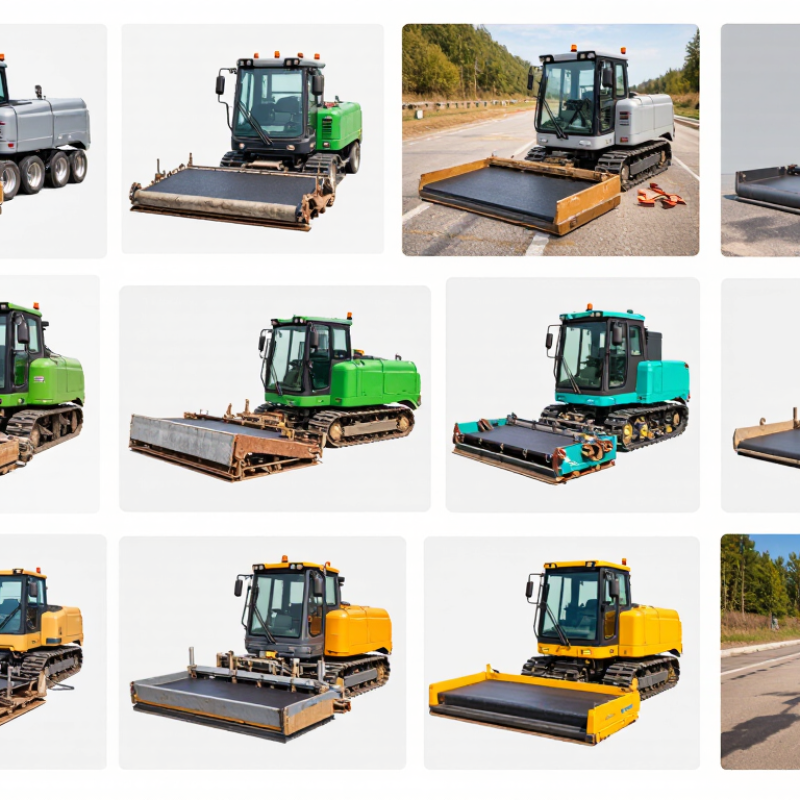
Top 10 Used Paver Machines for Sale Worldwide

Define Used Paver Types: Asphalt, Concrete, and Slipform Machines

Used paver listings cover several machine types, and the label “paver” can hide important differences. Asphalt pavers spread hot mix across roads and parking areas, using a screed to shape the mat. Concrete pavers place and finish concrete for slabs, streets, or industrial surfaces. Slipform machines shape concrete continuously through moving forms, making them useful for long, uniform runs. They are related, but not interchangeable. Details matter.

When comparing used paver machines for sale worldwide, match each machine to the material, paving width, and job scale. Check screed heating and extension functions on asphalt units. On concrete equipment, inspect vibration systems, forming components, and wear at contact points. For slipform units, review track condition, steering response, and mold setup. Ask for service records and a cold-start demonstration where possible. Photos help, but they can miss leaks, uneven vibration, or tired hydraulics. Even careful checks leave uncertainty.

Tips: Compare operating hours with maintenance records, then inspect the machine under load if practical. Bring a technician familiar with paving equipment. A low asking price may still lead to costly repairs.

Top 10 Used Paver Machines for Sale Worldwide - Define Used Paver Types: Asphalt, Concrete, and Slipform Machines
No. Paver Type Typical Used-Market Profile Typical Paving Width Typical Engine Power Typical Operating Hours Indicative Asking Price (USD) Common Market Regions Typical Condition Notes
1 Tracked asphalt paver Mid-size road resurfacing machine, approximately 8–15 years old 2.5–5.0 m (8.2–16.4 ft) 100–160 kW (134–215 hp) 4,000–9,000 $35,000–$120,000 North America, Europe, Asia-Pacific Check track wear, screed heating, augers, and conveyor condition.
2 Wheeled asphalt paver Compact-to-mid-size machine for urban streets and smaller paving jobs 1.7–4.5 m (5.6–14.8 ft) 55–120 kW (74–161 hp) 3,000–8,000 $20,000–$85,000 Europe, Latin America, Southeast Asia Inspect tires, steering, hydraulic systems, and screed extensions.
3 Compact asphalt paver Small machine suited to cycle paths, parking areas, and confined sites 0.8–2.5 m (2.6–8.2 ft) 20–55 kW (27–74 hp) 1,500–6,000 $12,000–$55,000 Worldwide, especially urban and rental markets Confirm the minimum paving width and availability of screed parts.
4 High-production highway asphalt paver Large tracked machine for major roads and motorway projects 3.0–9.0 m (9.8–29.5 ft) 150–250 kW (201–335 hp) 5,000–12,000 $80,000–$250,000 North America, Europe, Middle East Review screed condition, material-feed components, and service records.
5 Material-transfer asphalt paver Roadwork configuration with a high-capacity material handling system 2.5–7.5 m (8.2–24.6 ft) 150–250 kW (201–335 hp) 4,000–10,000 $90,000–$280,000 North America, Europe, Australia Inspect conveyors, transfer components, and controls for wear or faults.
6 Concrete slipform curb-and-gutter paver Compact slipform machine for kerbs, gutters, and narrow concrete profiles Profile-dependent; commonly 0.3–1.5 m (1.0–4.9 ft) 40–100 kW (54–134 hp) 2,000–7,000 $35,000–$150,000 North America, Europe, Asia-Pacific Check mold dimensions, vibration system, and track or wheel assemblies.
7 Concrete slipform barrier paver Specialist machine for continuous concrete safety barriers Profile-dependent; typically around 0.5–1.5 m (1.6–4.9 ft) 75–160 kW (101–215 hp) 2,500–8,000 $60,000–$220,000 North America, Europe, Middle East Confirm the barrier mold matches the required profile and project standard.
8 Concrete slipform paving machine Large multi-track paver for highway, airport, and industrial slabs 3.5–12 m (11.5–39.4 ft) 150–300 kW (201–402 hp) 4,000–10,000 $150,000–$600,000 North America, Europe, Asia-Pacific Inspect paving frame alignment, vibrators, profile controls, and tracks.
9 Concrete curb-and-sidewalk slipform paver Small-to-mid-size machine for sidewalks, channels, and landscape edging Profile-dependent; commonly 0.2–1.2 m (0.7–3.9 ft) 30–90 kW (40–121 hp) 1,500–6,500 $25,000–$110,000 Europe, North America, Latin America Check mold availability, steering response, and concrete-feed components.
10 Concrete texture-and-curing machine Finishing unit used behind a slipform paver on concrete paving projects 3.5–12 m (11.5–39.4 ft) 50–150 kW (67–201 hp) 2,000–8,000 $40,000–$180,000 North America, Europe, Australia Verify spray system, texturing equipment, and compatibility with the paving train.
Prices and operating-hour ranges are indicative used-market estimates, not verified live listings. Actual values vary by year, configuration, condition, location, attachments, and service history. Confirm specifications and inspect each machine before purchase. Slipform paving width and profile dimensions depend on the mold and machine setup.

Compare 10 Global Models by Paving Width, Output, and Engine Power

Top 10 Used Paver Machines for Sale Worldwide

Comparing ten used pavers starts with the job, not the ranking. Compact models with paving widths around 1.2–2.5 metres often suit paths and small repairs; mid-size machines commonly cover roughly 2.5–6 metres. Large highway pavers may reach 12 metres, but wider screeds need suitable transport and steady material supply. Engine power often ranges from about 40 kW on compact units to over 200 kW on high-capacity machines. These are broad screening ranges, not specifications for individual listings.

Output deserves equal attention. Ask sellers for tonnes per hour under stated material, layer thickness, and working conditions. A high advertised rate may not match a worn conveyor, uneven screed, or inconsistent truck deliveries. Compare each machine’s paving width, rated output, and engine power in one table, then confirm the exact figures in its manual. Small is not weak. A compact unit can be the better choice on restricted sites.

Tips: Inspect screed heating, augers, conveyor chains, and service records in person when possible. Run the machine long enough to check operating temperature and material flow. Paper figures can flatter an older paver; I would treat missing maintenance records as a real uncertainty, not a minor detail.

Assess Paving Widths from 2 to 18 m and Screed Configurations

When comparing used paver machines, treat the stated paving width as a working range, not a promise. A machine listed for 2 to 18 metres may need extensions, separate screed sections, or multiple paving units to reach its maximum. Check the setup sheet and measure the assembled screed. A wide configuration can suit airport aprons or large industrial yards, while narrow settings are more practical for paths and repair work. Small details matter.

Screed configuration affects mat quality as much as machine width. Fixed-width screeds are straightforward, but they offer less flexibility. Extendable screeds can adjust on site, though their sliding sections and locking points deserve close inspection. Look for uneven wear, bent plates, damaged heating elements, and inconsistent tamper or vibration action. Ask whether the screed provides crown adjustment; a road surface may need a slight cross-slope for drainage. Controls should respond evenly across the full width.

Match the machine to the jobs you actually expect. A very wide screed can reduce passes, but only if the material supply and crew can keep pace. For used equipment, request a demonstration with the intended width and paving mix, then inspect the finished mat for ridges and thickness variation. A fresh coat of paint proves little. I would still leave room for doubt if extension records or operating hours are incomplete; those gaps can change the real value of a machine.

Check Engine Hours, Wear, and EPA Tier 4 Final or EU Stage V Compliance

When comparing used paver machines for sale, treat engine hours as a clue, not a verdict. A 4,000-hour machine may be in better condition than one showing 2,500 hours. Compare the meter with ECM records, service invoices, and cold-start behavior. Look closely. Check screed plates for uneven wear, augers for thin flighting, and conveyors for damaged or stretched belts. Track sag, hydraulic leaks, and slow steering can reveal costly work ahead. Hours alone are an imperfect measure, and records are sometimes incomplete.

Emissions compliance matters, especially when moving equipment between regions. The U.S. EPA’s Tier 4 standards set stricter particulate and nitrogen oxide limits for nonroad diesel engines, with requirements varying by engine power category. In the European Union, Regulation (EU) 2016/1628 introduced Stage V limits, including particle-number requirements for many engine categories from 19 to 560 kW. Ask for the engine label and emissions documentation; do not rely on a listing description alone. Check whether the machine’s exhaust after-treatment system is intact and whether fault codes are present. A missing service record is not proof of a problem, but it should prompt closer inspection. A qualified technician can verify the engine family and assess repair needs before purchase.

Calculate Ownership Costs: Purchase, Transport, Parts, and Resale Value

A used paver’s asking price is only the starting point. EquipmentWatch’s Cost Recovery Handbook separates ownership costs, such as depreciation and insurance, from operating costs, including repairs and maintenance. Build a five-year estimate using the machine’s price, expected annual hours, and likely resale value. For transport, get a written quote that includes loading, permits, and delivery to the actual jobsite. A low auction price can lose its appeal when the machine needs special hauling or arrives with worn conveyor parts.

Parts availability affects both cash flow and downtime. Ask for service records, inspect screed plates, augers, tracks, and hydraulic hoses, then price common replacement parts before bidding. Use recent auction results for comparable age, hours, and condition to estimate resale value; do not assume the strongest sale price will repeat. The U.S. Energy Information Administration reported average on-highway diesel at $3.76 per gallon in 2024, a useful budget reference, though local prices vary. Small leaks matter. I would still allow a repair contingency; even a careful inspection can miss hidden wear.

Tips: Compare the total delivered cost, not just the listing price. Keep transport, parts, and resale assumptions in a simple spreadsheet, and test a lower resale estimate. If the numbers only work under perfect conditions, reconsider the machine.

Top 10 Used Paver Machine Categories: Estimated Ownership Costs

Representative worldwide-market benchmarks in USD thousands for a three-year ownership period—not live listings or brand-specific prices.

How to read it: Stacked bars show estimated purchase, transport, and parts/service costs. Lines show estimated resale value after three years and net ownership cost, calculated as purchase + transport + parts/service − resale. Actual prices and costs vary substantially with machine age, condition, location, freight route, and usage; obtain local quotes before purchasing.

Article Source:

Powder Coat Booths

For those larger-sized parts, or smaller quantity runs, we have 2 independent powder coat booths and ovens. The quality, durability and affordability of today’s powder coating finishes make this the process of choice for world-class companies.

Powder coating advantages over other forms of coating are many. Materials used in the Powder coating process can be metals and non-metals that come in a multitude of thicknesses, textures, colors, etc. Another of Powder coating’s biggest advantages over conventional coatings is its ability to create finishes in many different textures. Powder Coating Booths allow us the ability to apply these advantages to large products.

Wet Paint Line

Tri-State Fabricators runs a full-service conveyor line for painting. Wet painting can provide protection or decoration to many different part styles. From start to finish, every project is easier to undergo random and point-based inspection by our skilled painting team.

Advantages to our Wet Paint Line are these lines start with product prep and ends with a thorough inspection of a high quality finished product. Our ability to complete large and small projects with a superior finish and doing so in a timely and economical fashion. This passes along the savings in production to our customers. When powder coating ins not an option, our Wet Paint Line gets the job done right the first time.

Wet Paint Booths

When the parts get big and heavy we roll-out our custom paint racks and oversize booth. By utilizing our partnerships with all the major paint brands, we can match virtually any color with wet paint.

The advantages of having access to a Wet Paint Booth are many. Large projects of many different shapes can be loaded into the booth. The Wet Paint Booth offers an environment that is much more controlled than a typical parts painting operation.

Not only are they used because of their controlled environment, but they’re are also advantageous when it comes to applying paint to parts that are needed in industries that require specialty coatings such as medical, aerospace, etc.

Military CARC

Our military forces have some very high standards when it comes to the finish of their vehicles and equipment. From the first pre-treatment step to final coat, it takes a great deal of knowledge and experience to protect the men and women of our armed forces. They deserve only the best, and Tri-State Fabricators provides it.

All of our processes are closely monitored by our staff and management teams. Both of which are highly trained in the processes of metal fabrication and finishing. Tri-State Fabricators’ goal is to always fully satisfy each and every customer, including the military. We will always put a 110% into what we do.

Glass-Bead Blasting

Abrasive media blasting is an excellent way to remove old paint, rust, and increase the paint/powder adhesion. Glass beads produce a much smoother and brighter finish than angular abrasives; leaving the part clean yet without any dimensional change. Chemically inert and environmentally friendly, we can recycle our beads approximately 30 times; making them a more preferred method of metal cleaning or surface finishing.

Advantages to Glass Bead Blasting are many. Glass bead blast media is used when a project is needing rough surfaces need to become smooth for applications of coatings such as paint. It is typically used to clean paint and rust from a product surface without deforming the surface it is being used on. Overall, compared to many other blasting media, Glass Bead Blasting is a very economical choice and those savings are always passed on to our customers.

Part Washing

Tri-State Fabricators utilize a zinc phosphate wash to clean and etch the material to ensure the best paint adhesion possible. The unique design of our 3-stage wash system does the work like a 5-stage. From Cleaning and rinsing to conversion coating and post-treatment, Our Part Washing process is a complete service and works throughout the fabrication service and the finishing service.

Along with the previously mentioned benefits, Curing is a vital chemical reaction that leaves the product finish hard and relatively safe from mild abrasion and aggressive corrosion. This process can be done in more than one way; ambient air-dry or in curing ovens at temps that exceed 240°.

Burn-Off Oven

From fixing paint mistakes (someone else’s of course) to simply cleaning our paint line hooks, our burn-off oven is put to good use. After a quick burn-off, a little clean up, and a fresh coat of paint, your parts will look better than new.

Why does our Burn-Off Oven work so well? Because super heating the air around parts turns the materials into ashes. From paint and powder coatings to rubber and machining oils, high temps do the job without degrading the integrity of the part.

Masking

Masking is a vital part of producing high quality products. We have die-cut masking patterns to protect machined surfaces as well as a wide range of plugs and caps to protect threaded holes and bolts. We provide permanent and temporary masking.

Masking allows the selected sections of a product to be protected from a fabrication or finishing service. This can be with both chemicals when etching and tapes, paints when only finishing just a section of the product. Masking is great in aiding the customization process of a project.

Screen Printing

Screen printing is a photographic process that transfers artwork onto a porous nylon screen which allows colored ink to flow through the screen and be deposited on an aluminum or plastic component. We can generally have just about any design created onto a screen for your parts.

Some of the advantages of Screen Printing are, brand recognition for your business displaying on your products, assembly instructions, product warnings/hazards, etc. Tri-State Fabricators produces Screen Printing of the highest quality so you know it’s durable.

Metal Finishing

Metal Finishing is the art of treating the exterior portion of product, often metal but can also be made of other materials, so that the surface is clean and free of any debris. Then the process of applying coats or either paint of powder coat takes place. This coating process improves the quality of the product in both appearance and resistance to wear and corrosion.

Tri-State Fabricators, Inc., understands that a project typically isn’t complete until a high-quality finish has been added to your product. This is why our painting and powder coating teams continuously inspect the products throughout the Metal Finishing process.


